



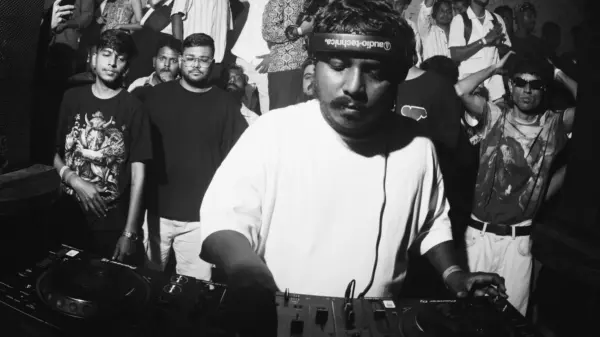
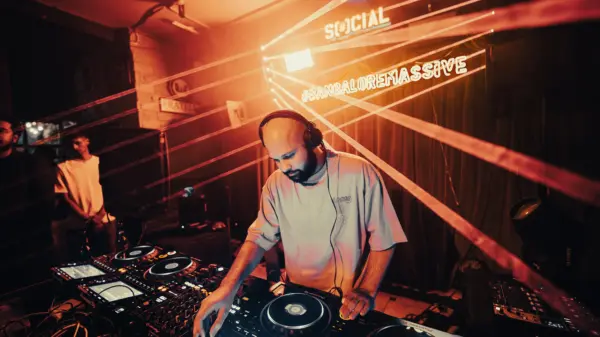
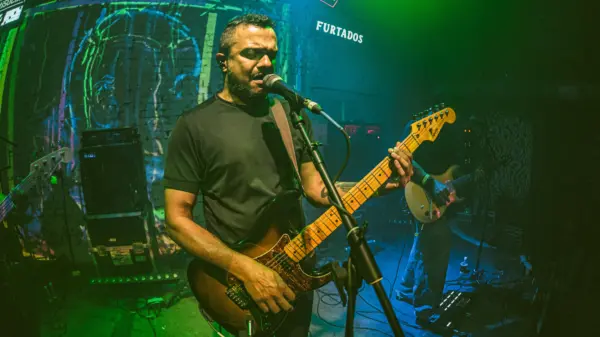






The word “indie”(short for “independent”) evokes the spirit of DIY creativity, artistic autonomy, and an ethos that resists commercial formulas. In India, however, the realities behind the indie label reveal complex struggles that extend far beyond questions of talent and craft. Success in this space often hinges not only on artistic ability but on financial backing, access to infrastructure, networks of influence, and the visibility provided by digital platforms. While independence is often celebrated as freedom, the conditions of the Indian indie scene show that independence itself can be a privilege.
For many, the biggest shadow over the indie landscape remains Bollywood. Despite the rhetoric of autonomy, the Hindi film industry provides the backbone of income for a majority of independent musicians, whether through session work, playback singing, or commercial composition. This reliance suggests that “independent” in the Indian context frequently means simply “non-film,” rather than being structurally outside mainstream systems. Yet even within these ties, musicians often remain invisible: session artists and background vocalists, whose labor sustains Bollywood’s soundtracks are rarely credited and almost never compensated with royalties, even as streaming revenue grows. The image of independence here begins to unravel, exposing an economic dependence that undermines the very notion of being outside the mainstream.
Financial barriers remain a persistent struggle. The costs of recording, producing, marketing, and touring are often prohibitive, especially in regions where infrastructure is weak. Artists in states like Jharkhand, for example, point to the absence of venues, studios, or arts funding, making it nearly impossible to sustain an indie career outside metropolitan hubs. Crowdfunding, teaching, and self-financing become survival strategies, but they are hardly sustainable in the long term. These economic realities create a geography of privilege within indie music, where artists based in Delhi, Mumbai, or Bengaluru have far greater chances of survival compared to those in smaller cities or rural regions.
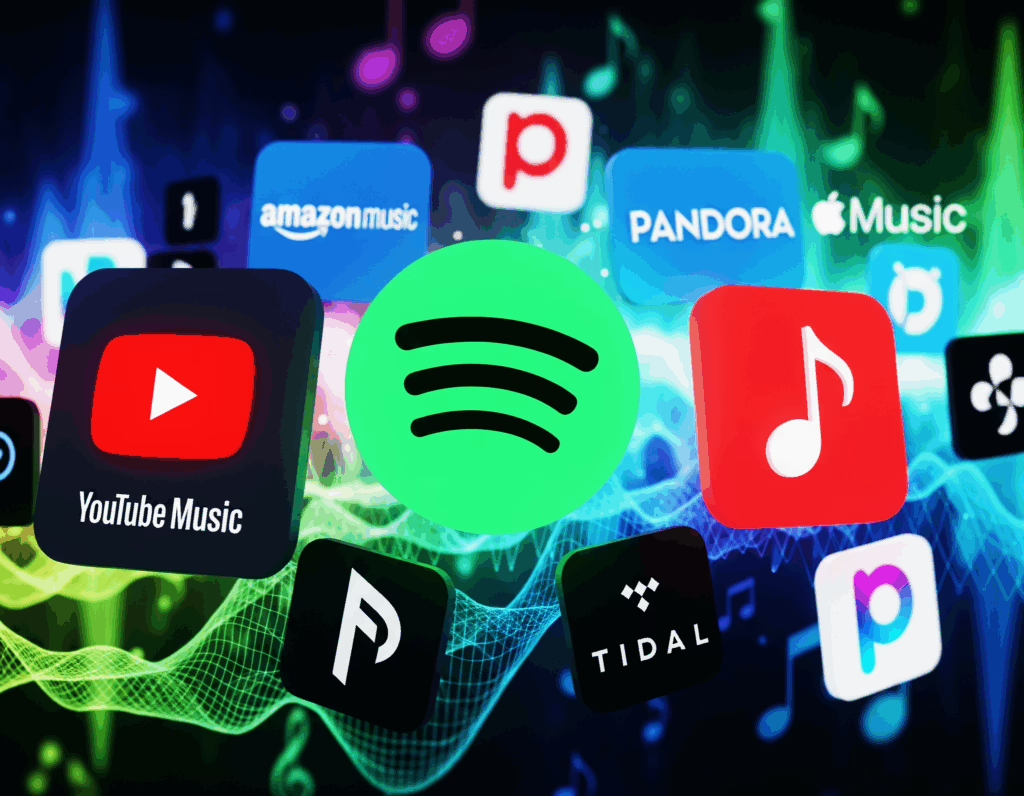
The digital era was supposed to democratize access, and to some extent it has. Artists can now release music directly to Spotify, YouTube, and Bandcamp, bypassing major labels. Yet discoverability is far from equal. Playlists and algorithms still determine who reaches audiences, and these systems often favor major-label artists or those connected to Bollywood. As one Mumbai musician observed, being told to “build an organic listener base” is ironic when visibility itself is governed by gatekeeping mechanisms like editorial playlists, paid advertising, and platform partnerships. What appears as a level playing field is in fact tilted, privileging those with access to marketing budgets and existing industry ties.
And yet, creative freedom remains one of the most compelling advantages of the indie route. Without label constraints, many musicians explore experimental sounds, unconventional languages, and political themes that mainstream cinema would never allow. Independent labels like OML, Underscore Records, and ArtistAloud offer fairer royalty splits and artistic control, creating small but vital spaces of resistance against commercial homogenization. These opportunities, however, often demand that artists balance their autonomy with the economic realities of teaching, scoring advertisements, or performing in commercial gigs simply to stay afloat.
Community has thus emerged as a lifeline. Student-led festivals like Strawberry Fields in Bengaluru have launched bands such as Motherjane and Thermal and a Quarter, while newer collectives continue to build spaces for alternative sounds. Post-pandemic, many musicians turned to livestreaming, online workshops, or hybrid collaborations to survive, demonstrating resilience in the face of high costs and scarce venues. These networks offer solidarity, yet they cannot fully compensate for the structural deficits of funding and state support.

Globally, Indian indie is making its mark: artists like Divine and Prateek Kuhad have found international audiences and partnerships. But for every global breakout, countless others remain confined to local circuits, constrained by limited infrastructure for export, lack of institutional support, and challenges of cultural translation in reaching global markets. Here again, independence appears selective, available primarily to those who can access global networks or package their work in ways that resonate with international audiences.
Inequalities within the indie ecosystem mirror broader social structures. Just as Western indie spaces have been critiqued for exclusion, tokenism, and marginalization of Black and minority creators, Indian indie too reflects hierarchies of caste, class, gender, and language. English-speaking urban artists often receive disproportionate attention, while regional musicians struggle for recognition despite vibrant local traditions. The question of “who gets to stay indie” thus becomes inseparable from questions of privilege: economic, social, and cultural.
Independence in India, then, is less about the absence of a label deal and more about access to the conditions that make independence viable. For some, it is the security of family wealth, urban access, or English-language fluency that allows them to pursue passion without compromise. For others, survival requires leaning into Bollywood, commercial advertising, or label contracts simply to make ends meet.
If indie is to live up to its ethos of freedom and self-expression, it cannot remain a privilege of the few. The ecosystem must reckon with its inequities, ensuring fair credit and royalties for all contributors, building regional infrastructure, democratizing digital discoverability, and supporting marginalized voices beyond token gestures. Only then can “indie” be more than a marketing label; it can become a space where independence is not just claimed but sustained, accessible not only to those with privilege but to all artists daring to make music on their own terms.