






There’s a conversation I’ve had a hundred times this year. Someone mentions an artist playing in the city and before anyone can get excited, someone else says it. “Yaar, I only know like two songs. I can’t go.”
And everyone just nods like that’s a completely reasonable thing to say.
Somewhere between fandom culture going mainstream and social media turning every experience into a performance, a quiet gatekeeping crept in. Not from venues or artists but from us. Nobody says the word “deserving” out loud, but it shows up anyway, as self-elimination. Casual listeners who would’ve walked out fans, staying home because they felt underqualified to be in the room.
That instinct doesn’t come from nowhere, to be fair. As TIMD’s Krishangi put it: “…part of what makes people dislike seeing someone who barely listens to an artist or band at their concert is that strange possessive instinct we sometimes have with the people we care about. When something has meant so much to you for years, it’s hard not to feel protective of it.” and I agree. But protectiveness shouldn’t come at the cost of somebody else’s first time.
Because some of the best concert experiences are the ones where you walk in knowing almost nothing. There’s a specific magic to hearing a song live before you’ve ever heard it at home, no attachment to a studio version, just sound hitting you in a room full of strangers feeling something at the same time. The bass moving through your chest, a room jumping on the same beat, that specific high of being one body in a crowd instead of one person in it. A concert was never only about the songwriting. Before it’s a musical experience, it’s a physical one and that part is available to you whether or not you know the words or the lore.
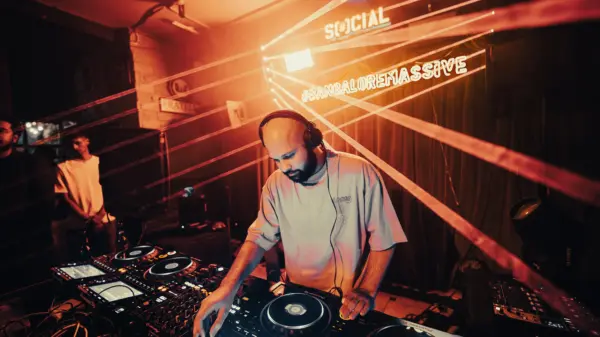
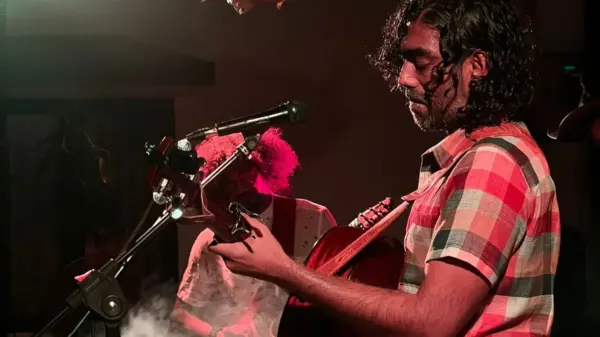
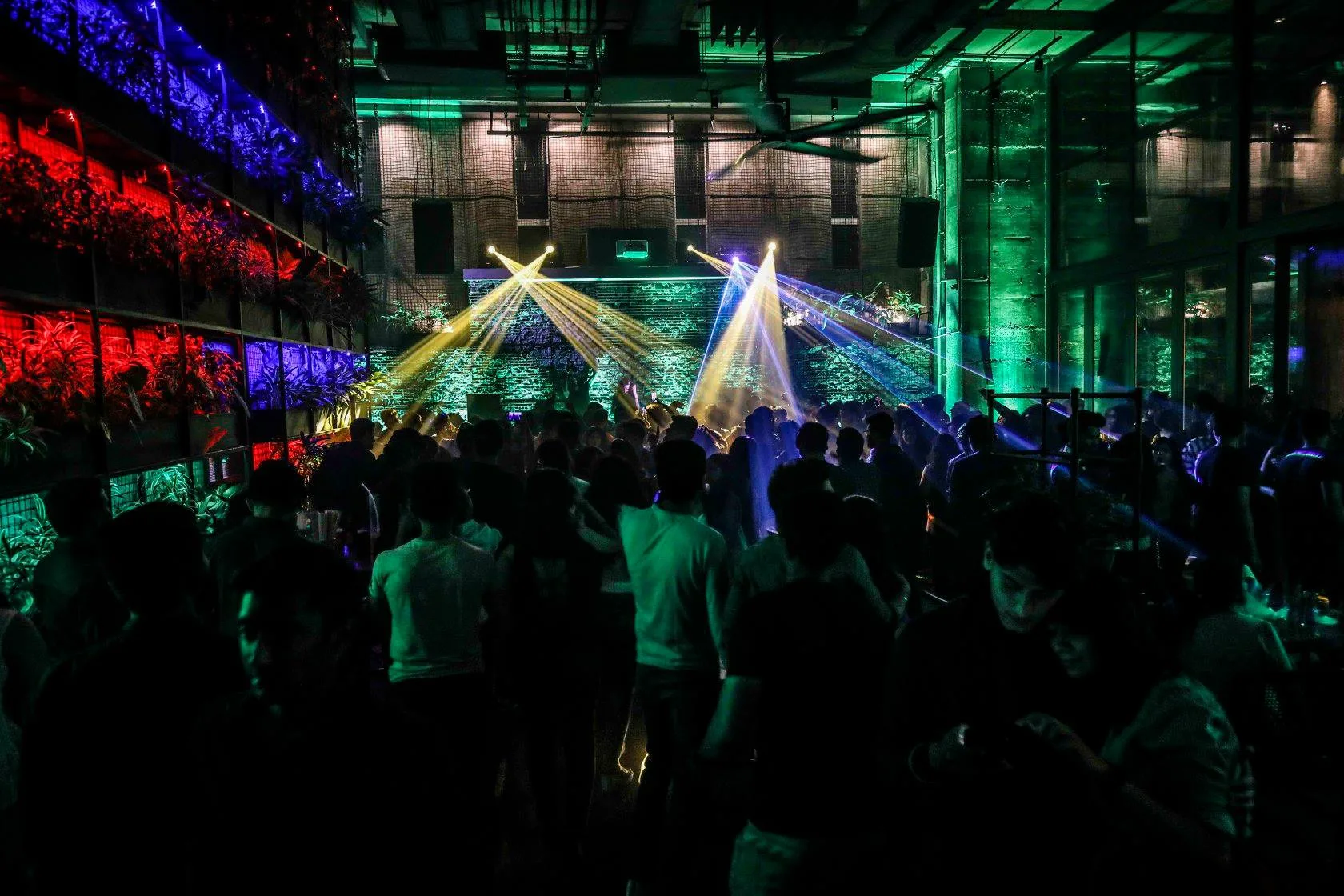
That kind of discovery shows up easily in small rooms, a Tuesday night at a place like Social, eighty people, close enough to watch hands move on the strings. TIMD’s Sarthak walked into a Dirty Class set at Summer House with zero idea what the band sounded like, and two hours of what he calls “pure psychedelic performance rock” later, he was hooked, he’s seen them more than thirty times since. Aayush caught Chaar Diwaari play to a crowd of five at All You Can Street right after a EP drop, and walked away certain the guy would blow up. He did. Devadri wandered into a metal night at Fandom expecting extreme metal and found The Pacifist instead, the lone punk act on the bill. Shivangini caught Jasmine Sandlas without knowing who she was and left inspired by, in her words, “how naturally she commanded the crowd.” And Stuti went to watch Dave Weckl and Benny Greb on a friend’s insistence, and came out the other side into an entire world of drummers she’d never have found otherwise. Her line is worth keeping: “You shouldn’t have to pass a fandom entrance exam to enjoy a gig.”
None of them walked in as fans. They walked out as ones.
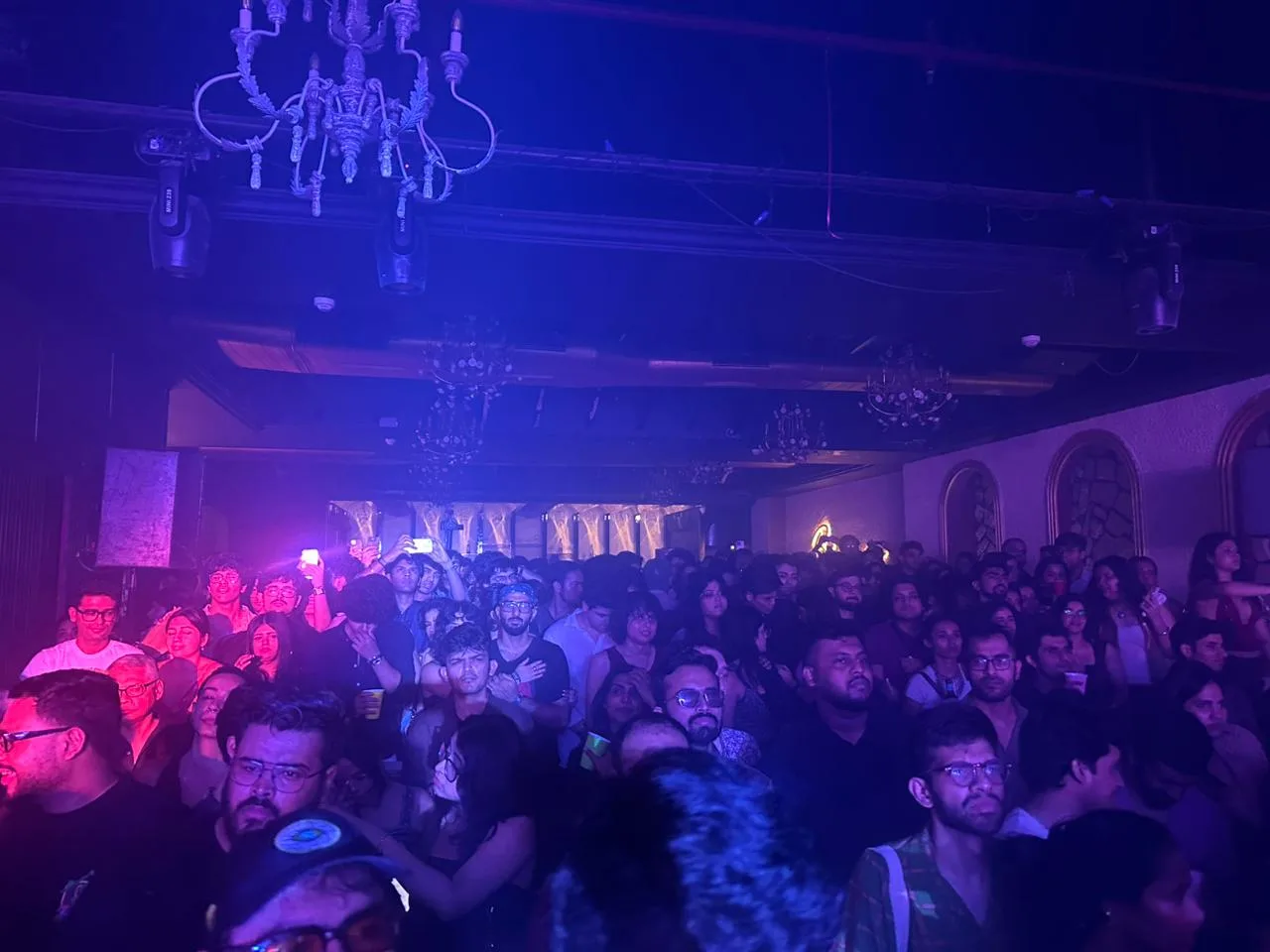
It happens just as easily in arenas, and not only through the opener. Sometimes it’s the headliner themselves, an artist you’d been lukewarm on for years, until three songs into the set something clicks and you’re a convert by the encore. And sometimes it really is whoever’s on before them. Sharmishtha went to Taylor Swift’s Eras Tour and left a Paramore fan, hooked the second “This Is Why” came on; she spent the train ride home going through their back catalogue. Krishangi discovered two entire bands; Nokpante from Meghalaya and Polar Lights from Nagaland at a Midnight gig, and had one of their songs on repeat before she even got home.
Sometimes you’re not even there for the music, and that’s its own thing worth doing. Harita ended up at a When Chai Met Toast set in Jaipur mainly because her best friend wanted to go after a day of literature-festival panels. She’d barely listened to them before. By the time they played “Nee Aara,” she was in tears, holding onto her friends, in what she calls “a beautiful daze.” Going along for someone else’s fandom is its own kind of experience; watching someone you know completely lose themselves to a song tells you something about them that conversation never will.
This isn’t only about knowing the words, either. Rohit felt it with Indian hip-hop specifically, a scene held together by lore, slang, and constant callbacks that take real work to unpack. He nearly skipped shows because the culture felt closed off, until a friend walked him through the references and the history, and the music opened up. His takeaway is the one worth keeping: “live shows should be welcoming, open environments where a casual listener can walk in out of curiosity and emerge as a fan on their own terms.”
Follow venues, not just artists, for a steady stream of options. Come in early and check out the opener at a big show. Let the friend whose taste you’ve never quite gotten drag you along, even if you’re only there for them. Or just go in blind on a night with zero plan and see who’s on; no one’s checking for cutoffs at the door. There’s no minimum score, no waitlist, no merit list pinned up backstage.
The two-songs problem is not really about knowing too little. It is about having absorbed the idea that enjoyment needs to be earned before you are allowed to feel something in public.
You do not. Go with your two songs. Let the other eight surprise you.