





In 2024, Samanvii commissioned India’s first new vinyl manufacturing facility after nearly four decades, contributing to the revival of vinyl culture and physical formats in the country.
Two years later, they’ve pressed Sholay, Ijaazat, Dilwale Dulhania Le Jayenge, Taal, Devdas, Coke Studio Bharat, Saiyaara, Dhurandhar and many more.
We had a chance to interview their Founder Mr Saji Pillai whose career spans three decades of work across vinyl, cassettes, CD’s, digital formats and back to analog revival in a digital age led by his love for music: —
1. What drew you to vinyl?
For over three decades, I’ve had the privilege of being part of the evolution of recorded music. My journey began in the era of cassettes, continued through CDs and DVDs, and later into the world of digital music. Every format changed how people experienced music, and I was fortunate to be part of that journey.
But vinyl always stood apart. It was an experience. Removing the record from its sleeve, admiring the artwork, reading the credits, gently placing the stylus on the groove, and listening without interruption – this transforms music into an occasion rather than background noise.
As I watched vinyl enjoy a revival across the world, I began asking myself if India has one of the richest musical traditions in the world, why shouldn’t Indian artists and labels be able to create world-class vinyl records right here?
The challenge wasn’t demand — it was the absence of an ecosystem. Without domestic manufacturing, vinyl remained expensive, time-consuming, and inaccessible.
That was the opportunity I saw – not just to build a pressing plant, but to help rebuild an industry. Looking back, I realise my journey has never been about a particular format. It has been about preserving music in the best possible way. Today, vinyl represents the most enduring and emotionally engaging expression of that belief.
2. Was there a specific moment when you decided India needed its own pressing plant?
Before setting up our pressing plant, we were importing records for several labels. During that time, we saw a steady increase in interest from artists and labels who wanted to release music on vinyl. Almost every project, however, had to be manufactured overseas.
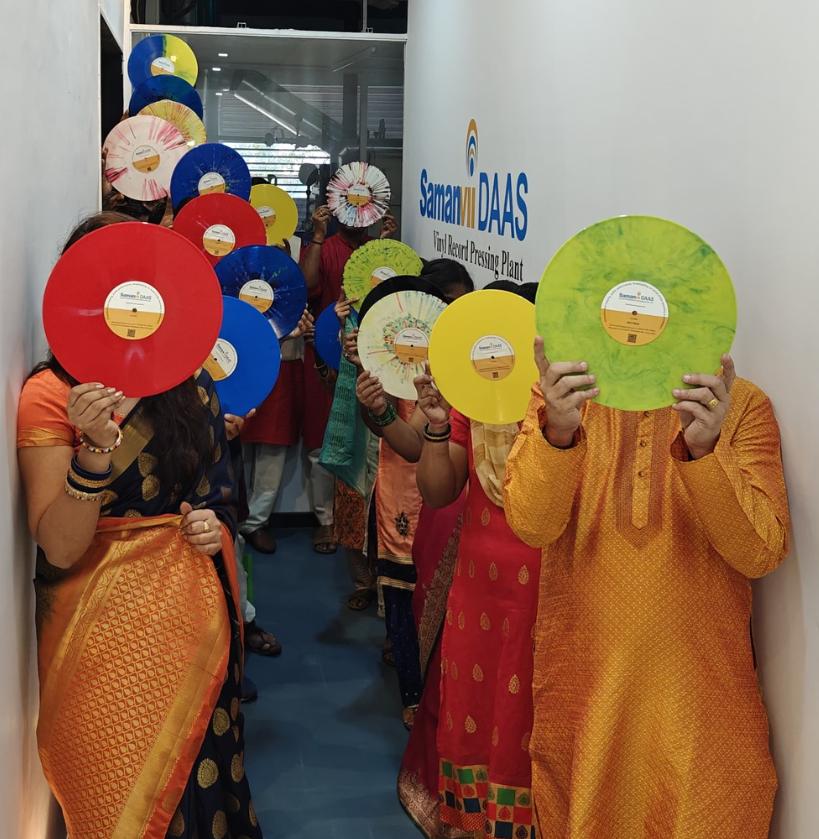
That meant long lead times, international freight, customs, higher costs and little flexibility. Over time, it became clear that the real challenge wasn’t demand; it was the absence of local manufacturing.
We weren’t simply building a pressing plant; we wanted to build an ecosystem that would give artists, labels and collectors the confidence to embrace vinyl knowing it could now be made in India to international standards.
3. Did people react against your decision to start manufacturing vinyl?
Many believed vinyl was simply nostalgia — a beautiful format with no real commercial future. Some questioned whether India had enough collectors while others felt streaming had won already. I never believed vinyl was returning to replace streaming.
4. What does the actual pressing process involve?
It begins with listening. Everything starts with the final audio master. Unlike digital platforms, vinyl has its own unique characteristics, so music must first be mastered specifically for the format.
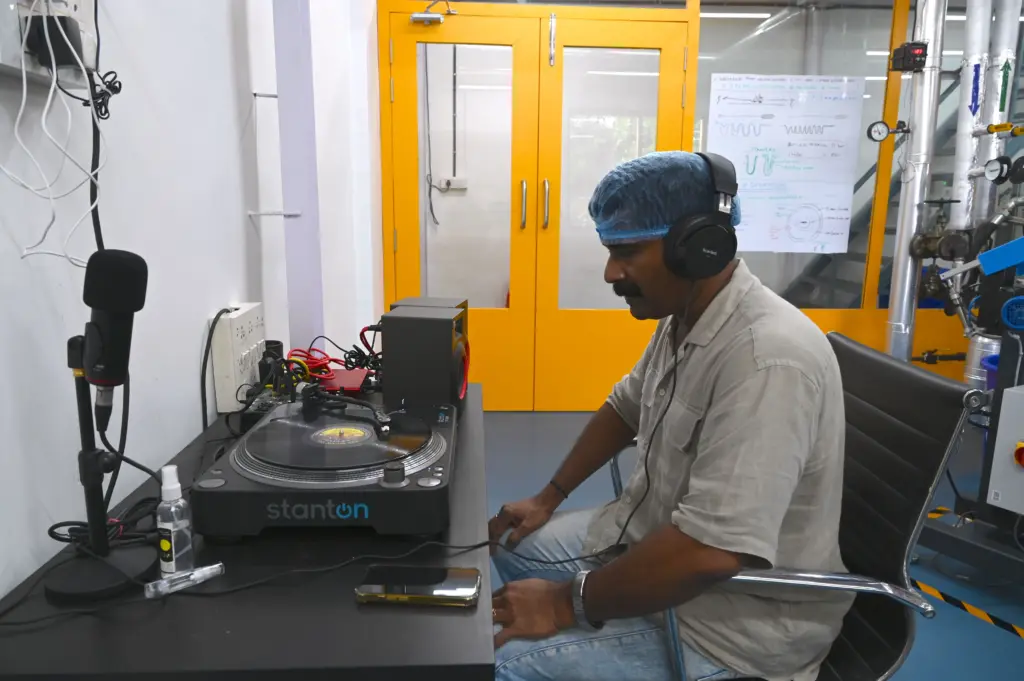
From track sequencing to dynamics and frequency balance: everything is carefully considered to ensure the best possible listening experience.
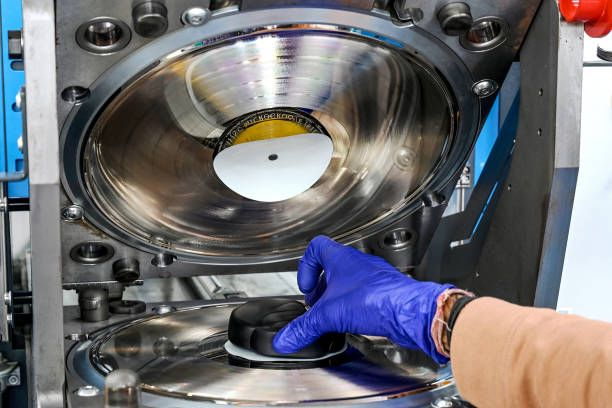
From there, the journey involves several carefully controlled stages. The music is cut onto a lacquer/metal master, stampers are created, test pressings are produced and evaluated, and only after they are approved the final production begins.
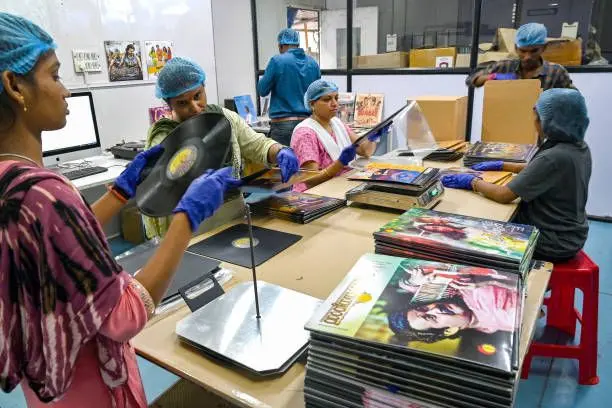
During pressing, heated vinyl compound is transformed into a record under carefully controlled temperature and pressure. Each record is then cooled, trimmed, inspected, and finally packed into its sleeve and jacket before it reaches the listener.
5. What does your own record collection look like?
My collection is a timeline of my own life. Every record reminds me of a place, a person, or an important chapter in my career. I don’t collect records because they’re rare or valuable. I collect them because they tell a story.
Of course, it includes classics like Miles Davis’ Kind of Blue and The Beatles, but one album holds an especially special place in my heart – Bombay.
In 1995, while working at Music India’s approved manufacturing facility (today Universal Music India), I had the privilege of preparing the cassette sub-master directly from A.R. Rahman Sir’s original master.
I spent three days and nights working on that master before travelling to Chennai to obtain the final approval from A.R. Rahman Sir and Mani Ratnam Sir before cassette production began.
Years later, I had the opportunity to work on the CD. Today, through Samanvii, I’ve had the privilege of seeing that same masterpiece return on vinyl.
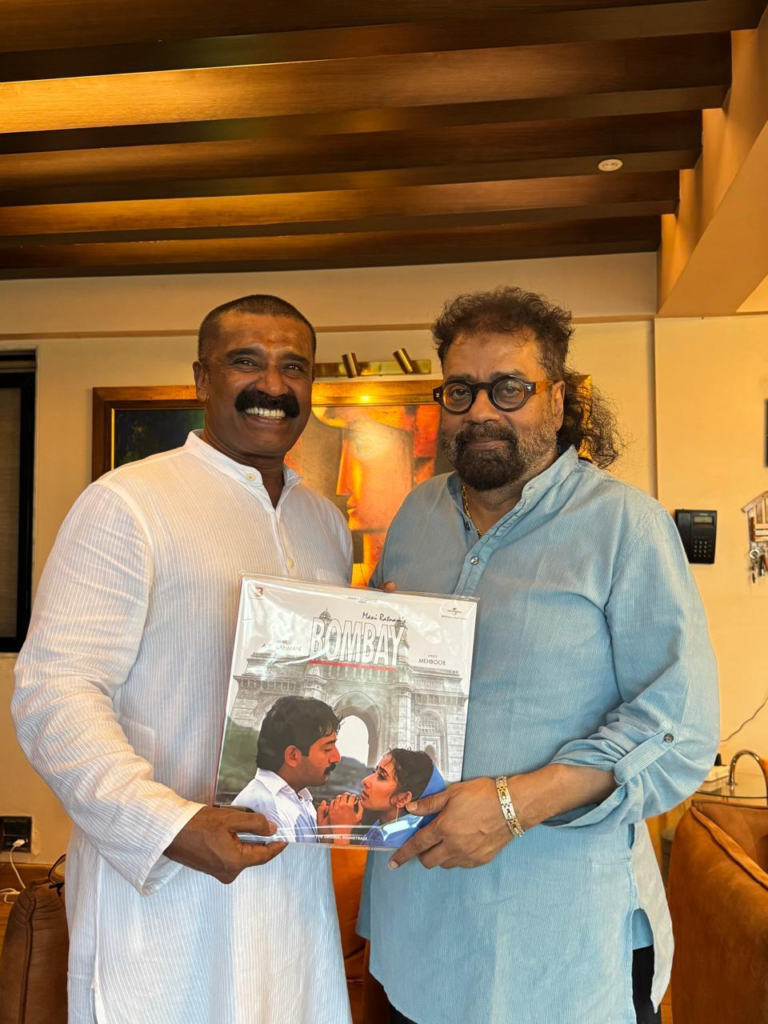
Very few people get the opportunity to work on the same iconic album across cassette, CD and vinyl over three decades. For me, Bombay is a reminder that my own journey through music has come full circle.
6. Is there a record you own that you’d never part with?
Without hesitation, it would be Michael Jackson’s HIStory. Not because it’s rare, but because of what it represents.
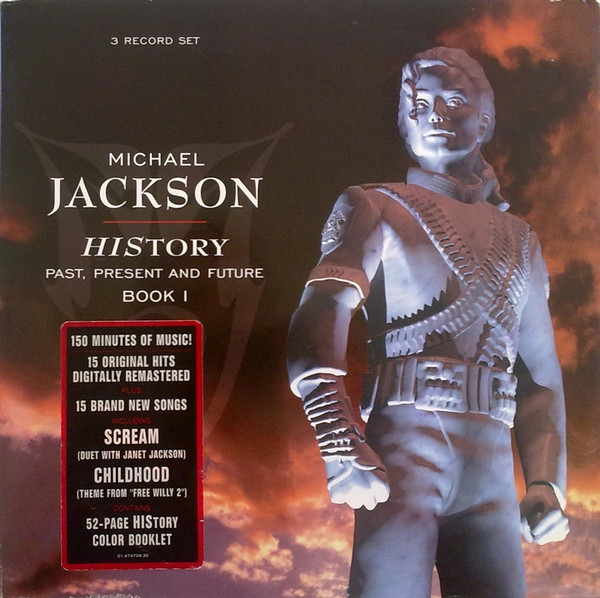
In 1996, I was selected by Sony Music India as Plant Manager to establish its cassette manufacturing plant. It was one of the most defining moments of my career.
When I received my appointment letter from Sony Music India’s Managing Director, Vijay Singh, he surprised me with something I’ll never forget — a ticket to Michael Jackson’s HIStory World Tour.
Shortly afterwards, during my induction at Sony Music’s manufacturing facility in Haarlem, the Netherlands, the Facility Director, Joop Niggebrugge, presented me with the HIStory vinyl.
Every time I look at it, I’m reminded of the trust placed in a young engineer who had no idea where that journey would eventually lead.
Nearly three decades later, that same journey has come full circle with the privilege of helping establish India’s modern vinyl pressing plant.
For me, HIStory is a reminder that every great journey begins with someone believing in you.
7. Do you have a record where you think the sound is just perfect?
There are several, but if I had to choose one internationally, it would be Miles Davis’ Kind of Blue. What I love about that record is its honesty. The openness of the recording, the natural dynamics, the warmth of the instruments and the space between every note make it an extraordinary listening experience.
Among Indian recordings, Bombay and Ijaazat remain personal favourites. Their compositions, arrangements and emotional depth translate beautifully onto vinyl.
8. How much does it cost to produce a vinyl?
For a standard 12-inch, 180-gram black vinyl with printed jacket and inner sleeve, the cost for pressing 100 to 300 copies typically ranges between ₹800 to ₹1,400 per unit. This includes mastering and stamper creation, vinyl pressing, jacket and inner sleeve packaging and quality control. Special variants like coloured vinyl, splatter discs, picture discs, or gatefold jackets carry additional costs.
9. What would you suggest an artist who wanted to release music on vinyl?
- Start small — 100 to 300 copies — to test demand.
- Consider pre-orders or crowdfunding to offset costs and build early excitement.
- Invest in creative packaging — vinyl is a collectible, and visual appeal matters.
- Ensure your audio is mastered specifically for vinyl — we can help with this.
- Promote your vinyl release as a limited-edition experience — it adds emotional value.
10. What labels press vinyl through you?
Major labels:
- Saregama
- Universal Music India
- Sony Music India
- Tips Music
- Zee Music
- Times Music
Independent & export-focused labels:
- Malson Media
- SirCuss Records
- Mass Appeal India
- The Revolver Club
- Azadi Records