






If you spend enough time around musicians, creatives, or anyone trying to build a career in the arts, one phrase keeps appearing again and again. Do what you love. It shows up in motivational posts, conversations with mentors, and well meaning advice from family and friends. At first, it feels empowering. The idea promises freedom from routine and suggests that passion alone can guide a fulfilling life. For many artists, this belief becomes the emotional starting point of their journey into music.
But what if this phrase is doing more than inspiring people? What if it is quietly shaping how artists accept difficult working conditions without questioning them?
To understand this, it helps to look at the idea of cultural hegemony. Cultural hegemony refers to the way certain beliefs become so widely accepted that they begin to feel like common sense rather than opinions. These ideas are not forced onto people through rules or authority. Instead, they spread through films, television, education, media, and everyday conversations until society collectively treats them as natural truths. People begin to participate in systems that may disadvantage them because those systems feel normal, even desirable.
The phrase do what you love operates in a similar way within creative industries. It sounds like personal advice, but over time it becomes a cultural expectation that shapes how artists think about work, success, and sacrifice. Passion becomes framed as the ultimate reward, sometimes replacing conversations about stability or fair compensation.
Popular media plays a major role in reinforcing this belief. Films and television repeatedly tell stories where following passion leads to emotional and moral victory. In the film Secret Superstar, the protagonist fights against family restrictions and social barriers to pursue her dream of becoming a singer. The story is powerful and inspiring, showing courage and self expression through music. At the same time, it reinforces the idea that true success comes from choosing passion despite hardship, subtly suggesting that struggle is an inevitable and even necessary part of artistic pursuit.

Similarly, Three Idiots delivers one of the most memorable cultural messages in Indian cinema through the line encouraging people to chase excellence rather than success. The film criticizes rigid career expectations and celebrates choosing what one truly loves. While this message has empowered many young people to rethink traditional career paths, it also contributes to a larger narrative where passion is presented as the solution to systemic problems. Structural challenges such as job insecurity or economic realities fade into the background, replaced by the belief that personal passion alone can overcome obstacles.
Even international shows aimed at younger audiences participate in shaping this mindset. Hannah Montana presents a fantasy where a teenager effortlessly balances ordinary life with secret pop stardom. The show normalizes the idea that pursuing artistic dreams is both natural and endlessly rewarding, rarely showing the long term labor, instability, or economic uncertainty that real artists face. For young viewers, such narratives quietly shape expectations about creative careers long before they enter the industry.

When these stories are repeated across cultures and generations, they begin to feel like universal truths. This is cultural hegemony at work. The idea that artists should prioritize love for their craft over financial security becomes deeply internalized. Because the message feels positive and motivating, it rarely gets questioned.
Many artists describe a deep emotional connection to their craft. Music is not just work but identity and self expression. This emotional investment gives meaning to long rehearsals, late nights, and uncertain career paths. However, it also makes it easier to accept unpaid gigs, low paying collaborations, or inconsistent income. When you genuinely love what you do, working without proper compensation can feel like dedication rather than exploitation.
Opportunities framed as exposure or networking become common stepping stones. At first they seem temporary, but over time they become normalized industry practices. Passion becomes the reason artists convince themselves that financial reward can wait. The ideology works quietly because artists themselves participate in sustaining it, believing that sacrifice proves authenticity.
Another important reality is that not everyone has the same ability to follow passion freely. Artists with financial support or stable backgrounds often have more space to experiment and endure uncertainty. Others must balance creative work with teaching, freelance jobs, or entirely different careers to sustain themselves. The phrase do what you love suggests equal opportunity, but the ability to survive on passion alone is unevenly distributed.
Interestingly, most artists do not reject the phrase entirely. Passion remains essential to creativity and continues to give meaning to artistic work. The problem arises when love for art becomes a replacement for fair labor practices. Cultural hegemony works precisely because it aligns with genuine emotions. Artists truly care about their work, which makes the ideology feel natural rather than imposed.
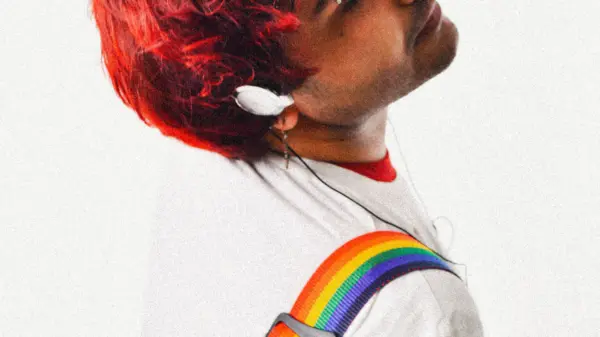
A Bengaluru based artist remarks :
Truthfully, I think saying “ Do what you love” and “ Passion comes first” are awful things to say to musicians that are struggling to get recognition and a stable income from doing their passions. It’s like saying “don’t cry” to someone that is clearly trying not to cry, it really doesn’t help as much as you think it helps and sometimes it makes things worse. The saddest part is, it doesn’t come from a bad place when people say it. I don’t disagree with the phrases at all, I think you should fully do what you love but I also think you need to brace yourself for the worst. Brace yourself for the fact that your journey in your craft will be long and painful. You will probably be let down a million times. Sometimes you will be underpaid and usually you’ll be in debt. You’ll hit the bottom. It’ll suck, basically. We live in a material world and money is crucial to living. Ignoring that and saying focus on passion seems misplaced to me. You need to find a way to finance your life, but it’s not much of a life if you’re not doing what you love. You’ll need to walk the tightrope between stability and passion for some years but you’ll get better at doing it after a while. Difficult working conditions are a daily basis but I’ve managed enough experience and because of that experience I’m better at making decisions as a musician and creative. The biggest skill you have to learn early on is accepting your mistakes and learning from them. You can’t let failure get you too closely because it leaves seeds of doubt in your head, and they’ll always grow into an orchard of resentment the more time passes by.
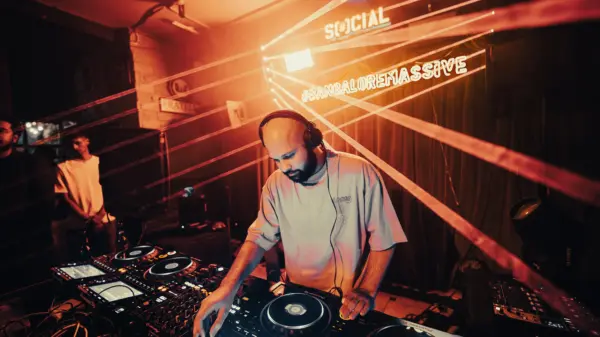
Many creatives today are becoming more aware of this tension. They recognize that their struggles are not simply personal failures but part of a broader system that undervalues creative labor. To adapt, artists diversify their skills, teach, freelance, or move into production and technical roles alongside performance. These strategies show resilience, but they also reveal how much negotiation is required just to sustain an artistic career.
Another artist remarked:
Charles Bukowski said “Find what you love and let it kill you”. The issue is, you find what you love and you’re letting the creative process engulf you but you wake up to consciousness and wonder where all the money went. You don’t even know who to be mad at. What you need is someone or something to ground you when you get lost in creative bliss. It’s tricky though, this person or thing needs to snap you to your senses when you’re about to go overboard but still lets you go into different creative depths. You need passion in your life, but you also need a compass to keep you somewhat safe from other people misusing your passion for themselves. This is harder said than done. Some people just let themselves be exploited because they tell themselves that it’s the price of passion, and those people aren’t really letting what they love kill them, they’re just letting people kill them. They’re letting people make money and recognition off of them. If you love your art, you need to take ownership of it.
Rethinking the phrase do what you love does not mean abandoning passion. Instead, it means questioning how the phrase is used and what it hides. Inspiration should encourage creativity, not justify instability. Loving your work and valuing your work should exist together.
Perhaps the conversation around creative careers needs to evolve. Instead of repeating do what you love as unquestioned wisdom, the industry must ask how artists can continue doing what they love without sacrificing security, dignity, or fair compensation. Passion may draw people into music, but recognizing the cultural power behind that passion is what can help reshape the industry into something more sustainable. Loving art should never mean accepting less than what that art is worth.