


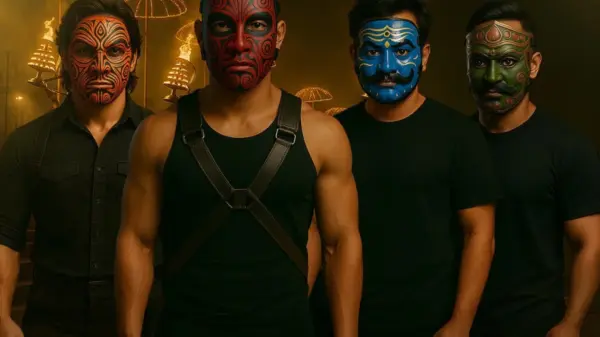


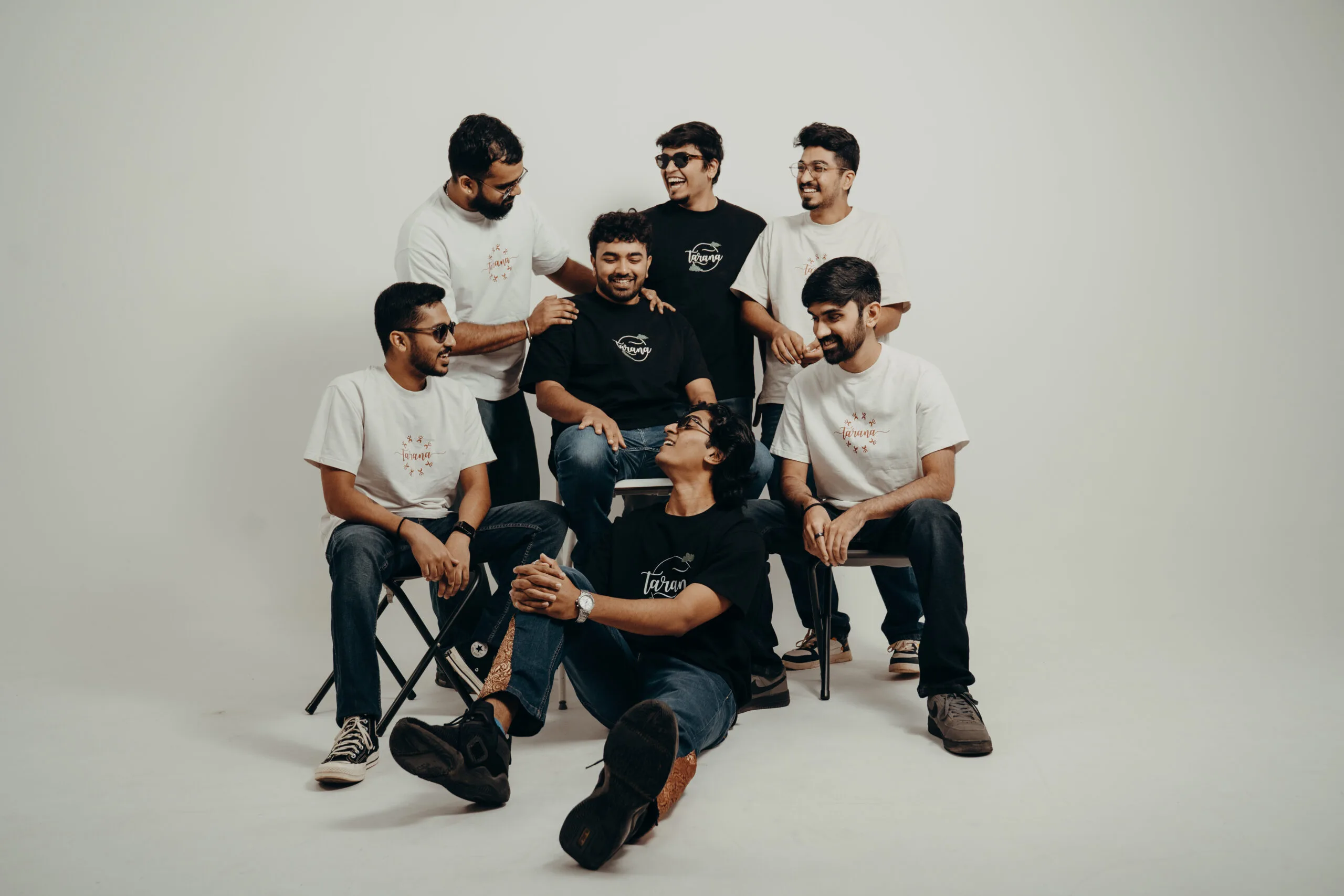

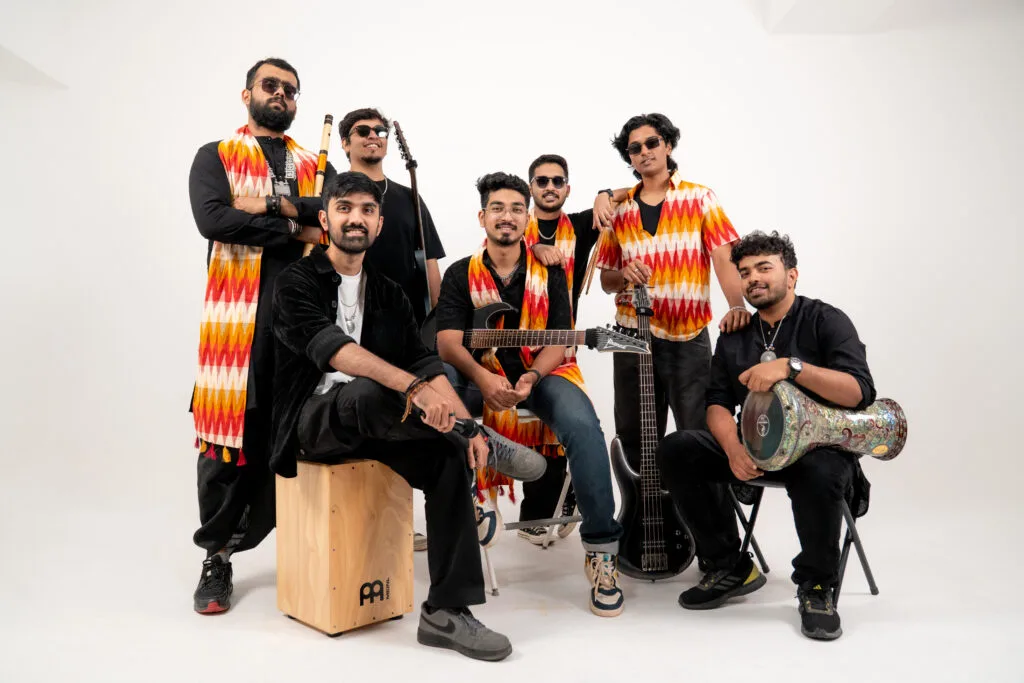
Born out of a casual jam session during the Covid lockdown, Bengaluru-based seven-piece fusion rock band Tarana has evolved a sound that brings together Indian classical traditions with rock, progressive, cinematic and contemporary influences. Their new album, Tarana (2026), reflects this evolution, with each track exploring a different facet of the band’s musical identity.
In this written interview, Tarana looks back at how the band came together, the artists and genres that have shaped their sound, and how Indian classical music naturally finds its way into their compositions. They also discuss their songwriting process, the making of Tarana, and the challenges of creating original music while growing together as a band.
How did Tarana first come together as a band?
It all began during the Covid Lockdown and it all started with what was supposed to be just a casual jam session. Our founder and lead vocalist reached out to a few musicians to get together and make music, with no real expectations beyond having a good time. None of us imagined that one simple jam would grow into what Tarana is today.
We uploaded that first session on social media, and the response was overwhelming. People genuinely connected with the chemistry between us and the unique sound we were creating. That encouragement motivated us to keep going.
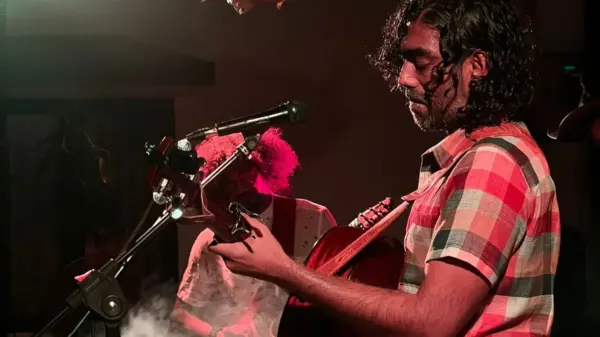
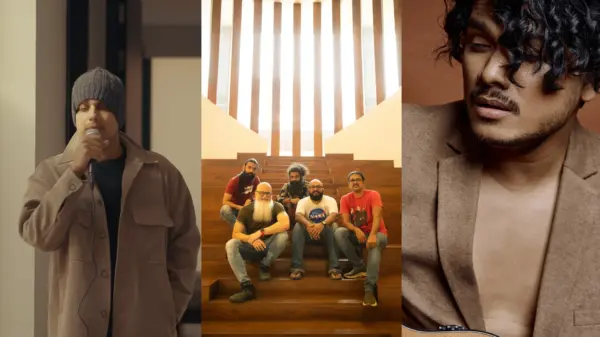
As the journey continued, we expanded the lineup by bringing in our drummer, percussionist, bassist and Rhythm guitarist, eventually becoming a seven-piece fusion rock band. We began by performing at small gigs across Bengaluru, and over the years, we’ve been fortunate enough to perform on much larger stages. Through it all, we’ve stayed true to the same passion and friendship that brought us together in that very first jam session.
Has the band’s dynamic changed over the years? If so, how?
Our musical direction has evolved significantly as we’ve grown, both as musicians and as individuals. In the beginning, our focus was primarily on Indian classical fusion, but as we explored different genres and influences, our sound naturally expanded. Today, our music blends strong Indian roots with elements of rock, progressive, cinematic, and contemporary music.
What hasn’t changed, though, is the bond between us. Tarana was built on friendship long before it became a band. That trust and chemistry have always been at the heart of what we do, and it’s something audiences often tell us they can feel during our live performances.
As people, we’ve grown together. As musicians, we’ve become more experimental and confident in pushing creative boundaries. Our vision today is to create original music that stays deeply rooted in Indian musical traditions while connecting with audiences across the world through a fresh, contemporary sound.
Who are some artists, Indian or international, that have influenced your sound the most?
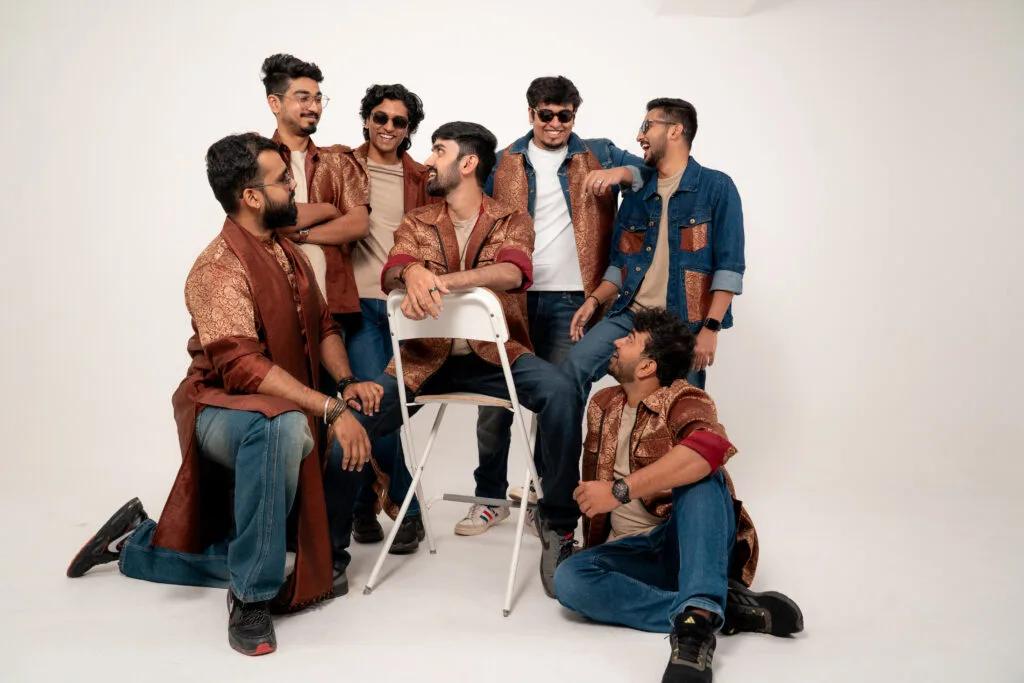
One of the biggest reasons Tarana has its own distinct sound is the diversity within the band. Each member comes from a different musical background. Our lead vocalist is trained in Hindustani classical music, our flautist has a strong foundation in Carnatic classical music, while the rest of the band brings influences from Western music. That blend of traditions naturally shapes the music we create.
In our early days, bands like Agam and Thaikkudam Bridge had a huge influence on us. They showed us that Indian classical music and rock could coexist beautifully while still sounding fresh and contemporary.
As we’ve evolved, our influences have become much broader. We draw inspiration from artists like Steven Wilson and Porcupine Tree, progressive rock and metal bands, classic rock, and Indian legends like Hariharan. At the same time, we make a conscious effort not to imitate any one artist. Instead, we let these diverse influences come together organically, helping us create music that is rooted in Indian traditions while developing a sound that is uniquely Tarana.
What’s something you’ve been listening to recently that people might not expect?
People are often surprised to know that we listen to a lot of metal and progressive rock, despite being known for Indian fusion. At the same time, we’re constantly immersed in pure Hindustani and Carnatic classical music. That contrast is something we really enjoy. We believe great ideas often come from unexpected combinations, and bringing together these seemingly different worlds is what gives Tarana its identity.
Has it become easier or harder to make this kind of music today compared to when you started?
In many ways, it’s both.
Technology has made the creative process much easier. Since all of us have our own recording setups, we can exchange ideas, record parts remotely, share stems and continue developing songs without always being in the same room.
The challenging part is finding time. As every member has individual careers and commitments, coordinating schedules becomes increasingly difficult, especially when live performances become more frequent. Creating original music requires patience and dedicated time together. So while technology has simplified the logistics, maintaining consistency as a band is something we consciously work towards.
If someone was hearing Tarana for the very first time, which track from the album would you recommend?
That’s always a difficult question because every song on the album represents a different side of Tarana. If ten people listen to the album, chances are they’ll each have a different favourite.
If we had to recommend a starting point, for listeners who enjoy regional music and stronger Indian influences, we’d recommend ‘Manavega’ and ‘Kaledhode’ and our personal preferences are ‘Faasla’ or ‘Lamhe.’ They represent our songwriting and emotional depth quite well. We intentionally wanted every song to have its own personality, so there’s something for every listener.
Was there a song on the album that surprised you while making it or ended up very different from how it began?
Absolutely. Faasla probably evolved the most during the writing process. It began as a much simpler composition, but as each member started contributing ideas, it gradually transformed into something much bigger than we had originally imagined. The arrangement became more layered, the dynamics became more cinematic, and the emotional journey of the song kept growing with every rehearsal. It’s one of those tracks that truly reflects how collaborative Tarana’s songwriting process is.
Do Indian classical instruments naturally get woven into your sound or is it something you’re consciously exploring?
It’s a very natural process for us. We never begin a song thinking, “Let’s add a flute here because we’re a fusion band.” Every instrument serves the song first.
Since Indian classical music is already such an important part of who we are as musicians, those influences naturally find their place in our compositions. Whether it’s a flute phrase, a vocal movement, or a rhythmic idea, it happens organically rather than by design. Our goal has always been to make music where Indian elements feel authentic instead of decorative.
What does a typical writing session look like for Tarana? Is it collaborative from the start, or does one person bring in the initial idea?
Most songs begin with a simple idea. Sometimes it’s a melody, sometimes a guitar riff, sometimes even just a lyrical concept. One member usually brings that initial spark, and from there the entire band builds around it.
Every member contributes to the arrangement, textures and overall direction of the song. Nobody is restricted to one role, and that’s what makes the process exciting. A song often sounds completely different by the time everyone has added their perspective. That collaborative approach is one of Tarana’s biggest strengths.
Who did you imagine listening to this album while you were making it?
We honestly weren’t trying to make music for a specific audience. We wanted to create the kind of music that we ourselves would enjoy listening to. At the same time, we hoped the album would resonate with listeners who appreciate honest songwriting, musical depth and strong melodies. Whether someone comes from a classical background, loves progressive rock, enjoys independent music or simply connects with meaningful songs, we wanted there to be something in the album that speaks to them.
Congratulations on the new album! Now that it’s out in the world, how are you feeling about it, and what does it represent for the band at this stage?
Thank you! Releasing this album feels incredibly special because it’s the result of years of learning, experimenting and growing together. Every song represents a different phase of our journey, not just as musicians but as friends.
For us, this album isn’t a destination, it’s the beginning of a new chapter. It defines who Tarana is today while also hinting at where we’re headed. We’re excited to take these songs to live audiences, continue writing new music, and keep pushing the boundaries of what Indian contemporary music can sound like. If this album introduces even a few listeners to our world, we’ve achieved something meaningful.