
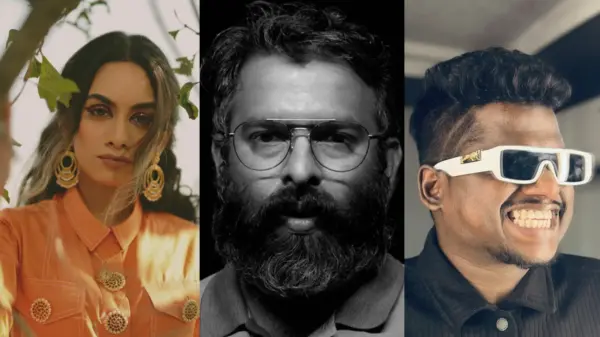


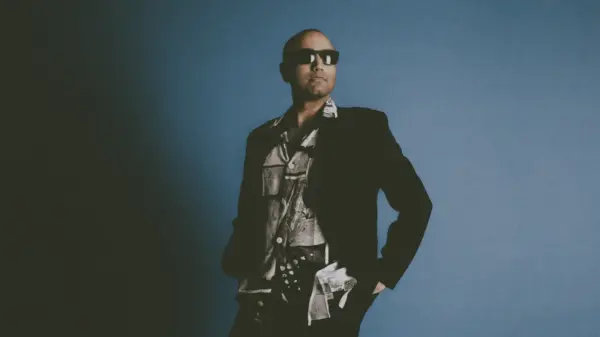
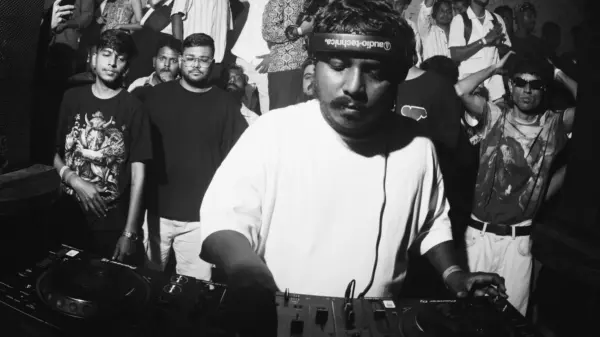



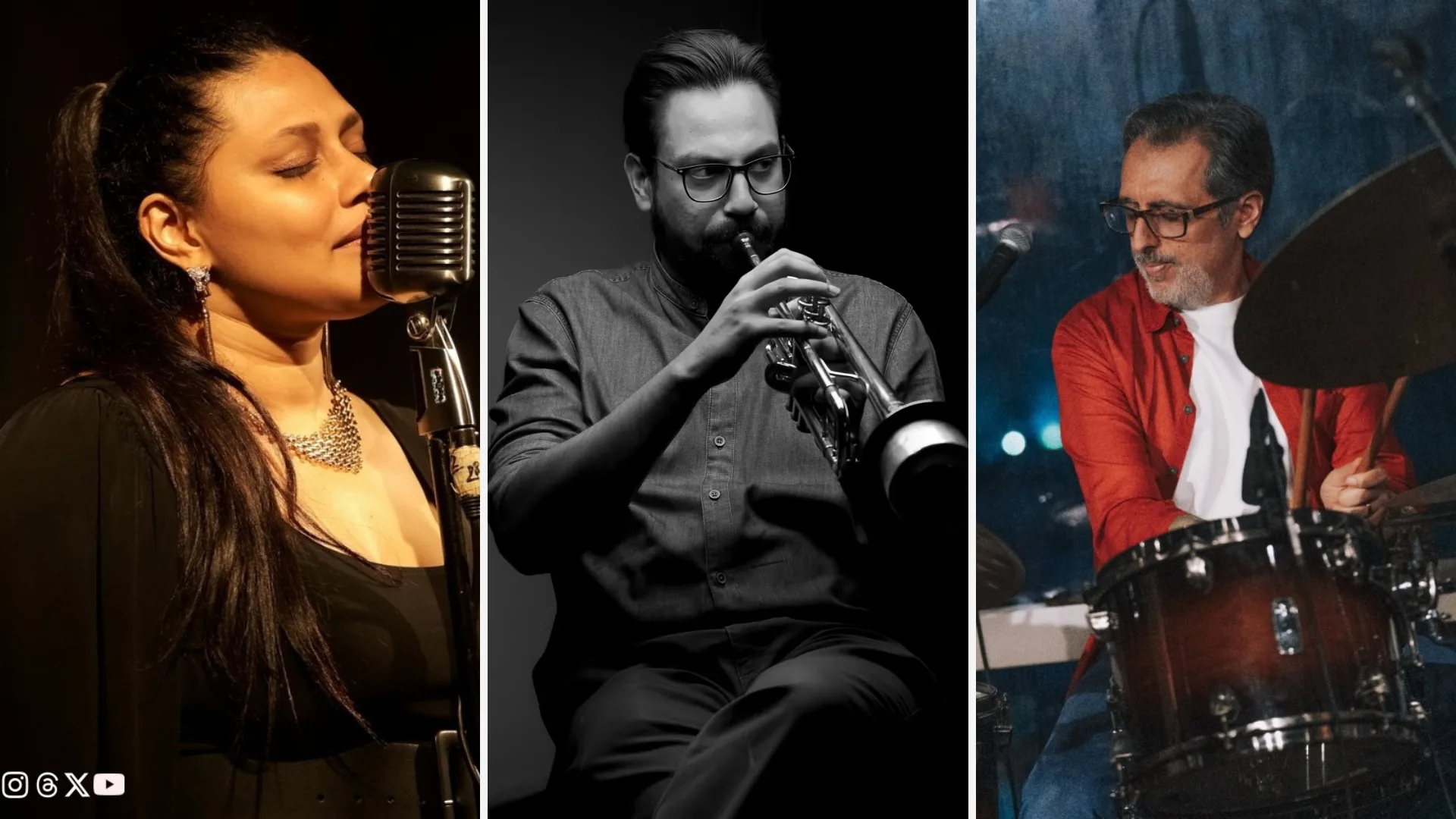

Through conversations with Vasundhara Vee, Arjun Sagar Gupta of The Piano Man and Rajesh Punjabi of the Bombay Jazz Club, we unpack the current landscape of jazz in India
Our parents may remember a popular Bollywood song acted by Amitabh Bachchan and sung by Kishore Kumar called “My Name Is Anthony Gonsalves” from the movie Amar Akbar Anthony. What I have personally noticed however, is the surprise at the fact that the character of Anthony Gonsalves was inspired by a very real musician. Anthony Gonsalves was a composer, teacher and music arranger, hailing from Portuguese occupied Goa, and moving to Bombay alongside many Goan musicians who then influenced the Bombay music scene. Jazz had already been a part of Goa’s live music framework as many musicians were trained in Western music under Portuguese influence. Another one of the musicians who influenced the upcoming jazz climate in Bombay was Chic Chocolate, whose trumpet heralded many of the songs in movie soundtracks and the rising Bombay Jazz scene. Moreover, African-American musicians also performed in India going back as far as the 1920s. Few people are familiar with the long history jazz has in India, and as such, Jazz had to undergo a more recent resurgence. I speak to the forerunners of this resurgence, Arjun Sagar Gupta, founder of The Piano Man, jazz and RnB vocalist Vasundhara Vee, and Rajesh Punjabi, who founded The Bombay Jazz Club alongside D. Wood.
The Beginnings: Introduction To Jazz
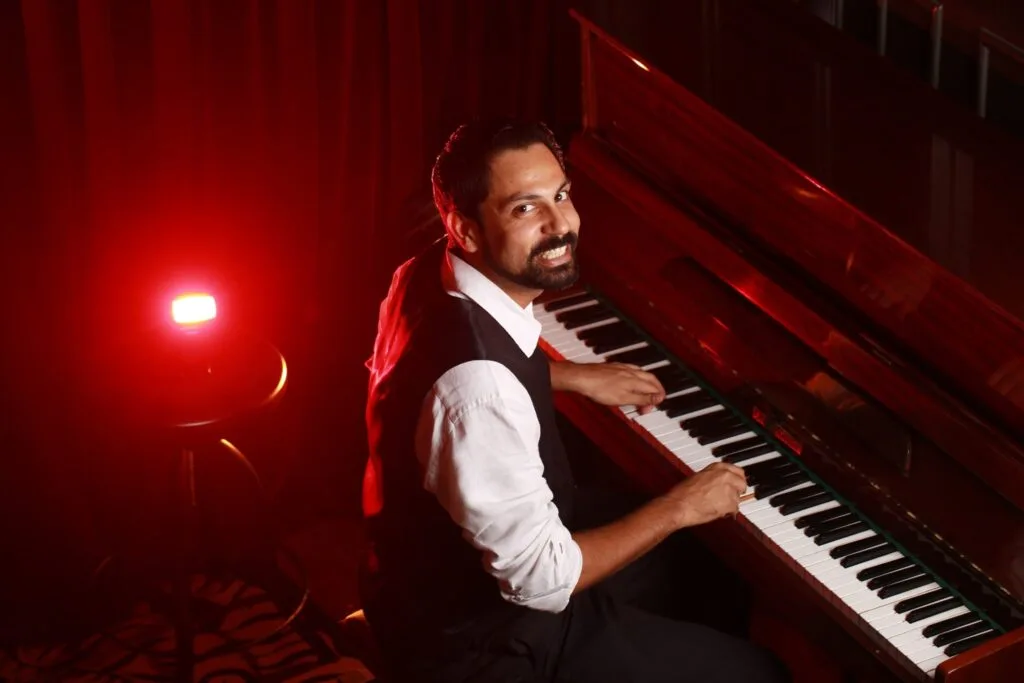
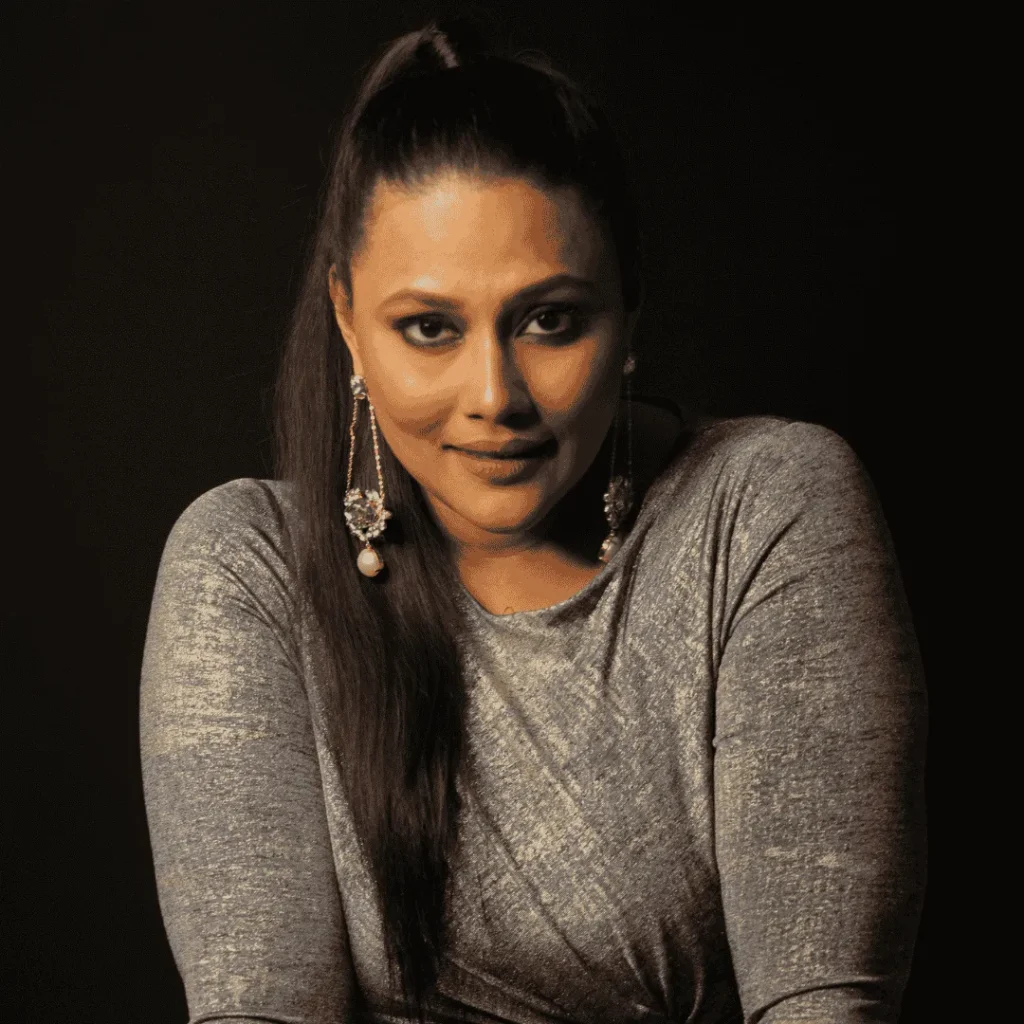
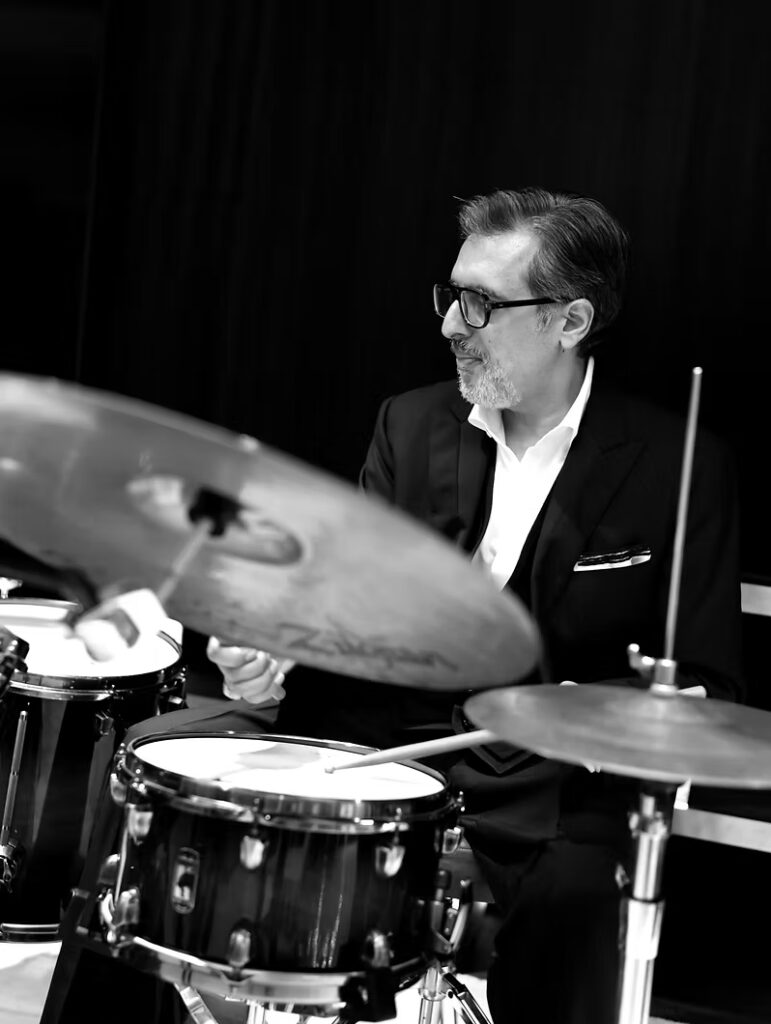
“There are two very distinct memories that introduced me to jazz,” Arjun recalls. “One was from television, when Star World started, there was an advertisement that featured the song “I Love Being Here With You.” I remember being completely taken by it, and that curiosity stayed with me. Around the same time, my brother gifted me a Louis Armstrong CD where he was playing “W. C. Handy.” That recording remains one of my all-time favourites and played a significant role in shaping my love for jazz.” He details his introduction to the piano under the mentorship of the principal of Delhi School of Music John Raphael, and how that led him to hone his skill in Jazz Piano. Contrastingly, Vasundhara was introduced to singing at the early age of 3, through choirs in school and college. “Jazz came into my life before I even knew what it was called. I heard ‘Birdland’ by Manhattan Transfer and around the same time, the music of Chick Corea popped up randomly on my Limewire”, she recalls. “I realized only later that there was a genre called Jazz with all of these subgenres within it.” Vasundhara’s primary vocal inspirations are the great singers like Mariah and Whitney, but was also especially influenced by the storytelling of jazz singers like Billie Holiday and Sarah Vaughan. She also talks about being very much inspired by her colleagues such as Rhythm Shaw and ‘Uncle Louiz’ aka Louiz Banks. “We are quick to name those far away when the people close to us often have the biggest impact on us.” Rajesh Punjabi credits his early foray into Jazz to his father, who he says had a “diverse music palette.” “I’d only started playing much later after having journeyed many different careers from having led well known organisations across finance and hospitality.”
The Visions: How Jazz Grew Once Again
Vasundhara Vee describes “soulfulness, rhythm, joy and a spiritual connection through music” as being the core to her singing across her wide range of styles. “I often get utterly lost in the music and sometimes I forget where I am and who I am. That feeling of existing in sheer happiness is what I chase on stage and how I choose my colleagues too.” Rajesh Punjabi describes being driven by a sense of community and culture when he and co-founder D. Wood founded the Bombay Jazz Club, with the initial idea being a small studio space in Bandra being dedicated to musicians finding a space to exchange ideas and jam. “While it has organically expanded over the years to curating for bars, restaurants, clubs, concert halls, festivals and private/corporate events, it continues to be guided by its core values of bringing a community of like minded artists together and ensuring the sound and feeling of jazz and related genres (blues, funk, Motown etc) continues to thrive in as many spaces as possible.” Vasundhara highlights her principle of performing music which speaks to her. “I don’t perform things that I don’t believe in, even if they might be the most popular thing on the planet.”
Arjun Sagar Gupta speaks of the gaps in the live music ecosystem in India, which contributed to his vision while starting The Piano Man. “There were issues around infrastructure, respect for artists, access to good sound and engineering support, and even basics like timely payments. From day one, we were extremely particular about getting these things right. The belief was that if you strengthen the ecosystem, you build better audiences for the music,” he explains. “It was also important for us to make music a viable career option, even for artists who weren’t widely known. We wanted musicians to be able to present the music they love, grow their audience, and sustain themselves doing it.”
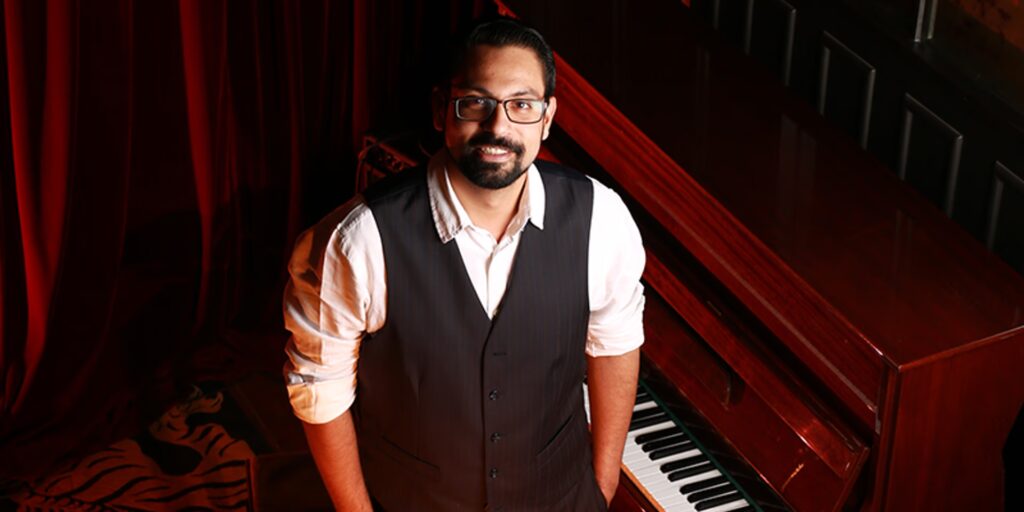
All three artists speak on how much the jazz and the broader western and independent music landscape has evolved over the years from the time they first started out, with Arjun stating there is “no comparison” between the jazz scene from when he first started out and now. “When I started playing jazz in the early 2000s, there were very few musicians. It would take months to find a bass player or a drummer who genuinely enjoyed playing jazz, especially traditional jazz. Today, the difference is staggering. In an average month, you can attend 20–30 jazz concerts. You’re hearing traditional jazz, contemporary jazz, global influences, and Indian musicians blending jazz with funk, fusion, and rock. The number of musicians has grown exponentially, opportunities have expanded, and audiences have grown as a result.” Rajesh Punjabi also credits the rise to the number of artists these days, venues needing “music to fill the room” and social media, which has helped in the access to archival material, leading to “new interpretations of the classics” and more education options. Vasundhara recalls, “When I started out, Delhi mainly listened to Rock. A lot of well-wishers dissuaded me from doing anything even close to Jazz professionally. The band I was in was one of only two jazz outfits in the city,” She speaks on how quickly jazz music caught on due to college students who listened to new music via YouTube and expats who were waiting for something like this. “Today, Jazz plays every single night in Delhi and The Piano Man has become a giant of a venue. I couldn’t be more proud.”
The Journeys: Struggles Faced By Artists and Businesses
Speaking of the struggles she has faced Vasundhara says she had to learn “the ropes on-ground” like every professional musician. “I had to learn the boundaries between art and business and get clear about the life I really wanted to live. It is AS wild a space to navigate now, as it was when I started out,” she elaborates. Rajesh Punjabi also speaks on the combination of the business and artistic sides of things. “We’d like to say the opportunity has been to stay true to the art and culture of what we do and marry that with the commerce of it. Often it’s a process of educating clients, venues and knowing deep down to stick to your core.” Punjabi adds. Arjun says many challenges don’t come from being “genre-specific” but being a “live music venue in a country where exposure to live music is still limited.” He speaks on the need for more music venues to strengthen the eco-system and highlights the difficulties of music venues being categorised as F&B under regulations and the lack of a specific music category. “Ideally, we’d see a framework that recognizes music venues and supports their growth.” He describes the pandemic as a “black swan event” which has caused heavy financial blows on independent businesses such as The Piano Man. “While live music did return, the lasting impact has been financial — particularly the debt taken on to survive.”
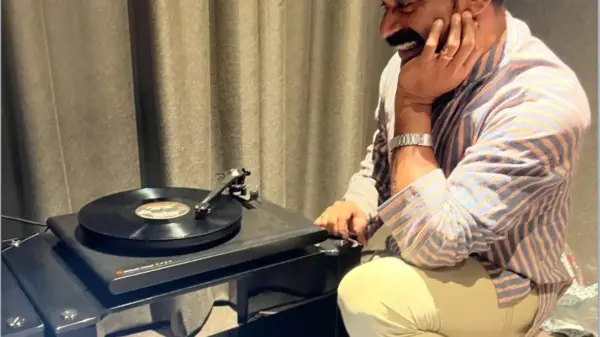
Inspired by global music foundations like MusicCares and the Jazz Foundation of America, Rajesh founded an initiative Music For Good during the pandemic with the Bombay Jazz Club. “We’ve been fortunate to be able to provide assistance during pressured times for those in genuine need, curate performances in spaces which experience great joy with an evening of music such as assisted living spaces, orphanages and also provided limited grants to artists to keep creating.” He explains. “The Community project which we had going through Covid was done to impart basic music education to community children who could not normally afford this.”
New Generations, New Cultures: How Different Generations And Different Cultures Interpret Jazz
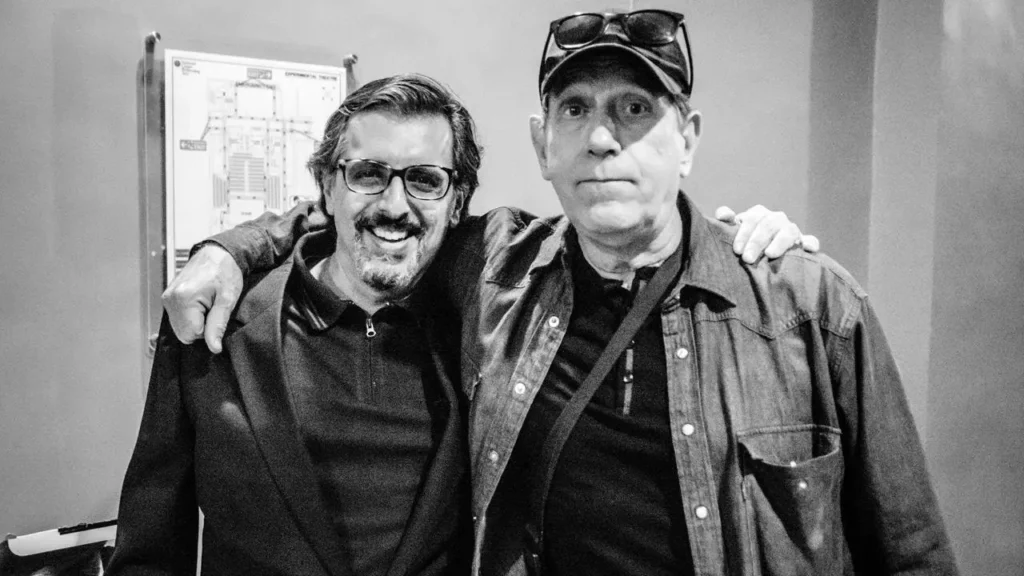
When asked whether there are any differences between younger and older, or Indian and international jazz musicians, Vasundhara Vee says she doesn’t see a difference. “I think the jazz community has always been serious and driven because the music itself demands that kind of outlook. I see it as a single international community of musicians who share a similar artistic philosophy, similar training and a shared musical “idiom”.” Arjun points to a key difference being that of exposure, when it comes to any difference between Indian and International jazz musicians. “Geography also shapes musical sensibilities; for example, Afro-Latin regions naturally foster incredible rhythmic understanding.” Between younger and older musicians he says it’s “less about age and more about the time spent on the instrument.” “In jazz especially, maturity comes from hours of playing and performing in collaborative environments.” Rajesh also highlights the primary difference is that of musical influences, with the younger musicians having influences of genres such as electronic music, and that Indian musicians can be influenced by Indian classical or even contemporary Indian music.
Arjun ensures that space is given to younger emerging artists through concerts in their jazz club in Safdarjung Enclave. “Our smallest jazz club often has the most deeply music-loving audience, making it an ideal space for younger artists. People come there to listen attentively and engage with the musicians, which is invaluable for growth.” He stresses that “having venues of different sizes allows artists to develop gradually” and that writing music and performing it are different skills which take time to develop. When asked on maintaining the balance between younger and older jazz musicians having a platform, Rajesh says, “Music in itself and working with an intent of collective has its own way of creating this balance which is hard to put in words.” Vasundhara details the three pillars which add to a career in music, Skill/Artistic Voice, Reputation and Money. “Without all three, it’s not a career. Many people are getting better at self-promotion but still not making money. Some are able to promote or earn but only at the cost of forgetting their core artistry.” “I think having killer skills is the biggest professional protection you can have.” She advises. “Your debut will be strong, your ‘hire-ability’ will be permanent, you’ll get a real reputation and that leads to quick financial wellbeing. After that, with some good promotion, you can get into the fame game as well, if you want that kind of life.”
The Future: Improvements Made And Yet To Be Made
Arjun also speaks on two critical improvements needed in the current system, “education and exposure- for both audiences and artists.” “Exposure means having opportunities to hear music live and encounter unfamiliar styles. Algorithms don’t always help discovery, which makes real-world exposure even more important.” He explains. “Once curiosity is sparked, education helps audiences and artists go deeper — understanding the music, the context, and how to use new ideas creatively. This is a long, generational process, but it’s already underway.” Rajesh Punjabi highlights the importance of Government programs for cross-cultural exchanges to help promote artists and simplifying the visa process, licensing and permissions will lead to a stronger cross-cultural music scene. He, like Arjun, believes more “concert venues and public infrastructure will help make the scene more conducive.” Vasundhara stresses the importance of every musician knowing “the exact avenues where their kind of music is consumed.” “The single improvement to make is for promoters to be consistently loud about where to find jazz. They need to keep showing proof of concept with real stories of how Lindy Hop is the new rage in dancing and jazz is literally everywhere. Everyone needs to say the word jazz 10 times on socials every day and we are sorted.”
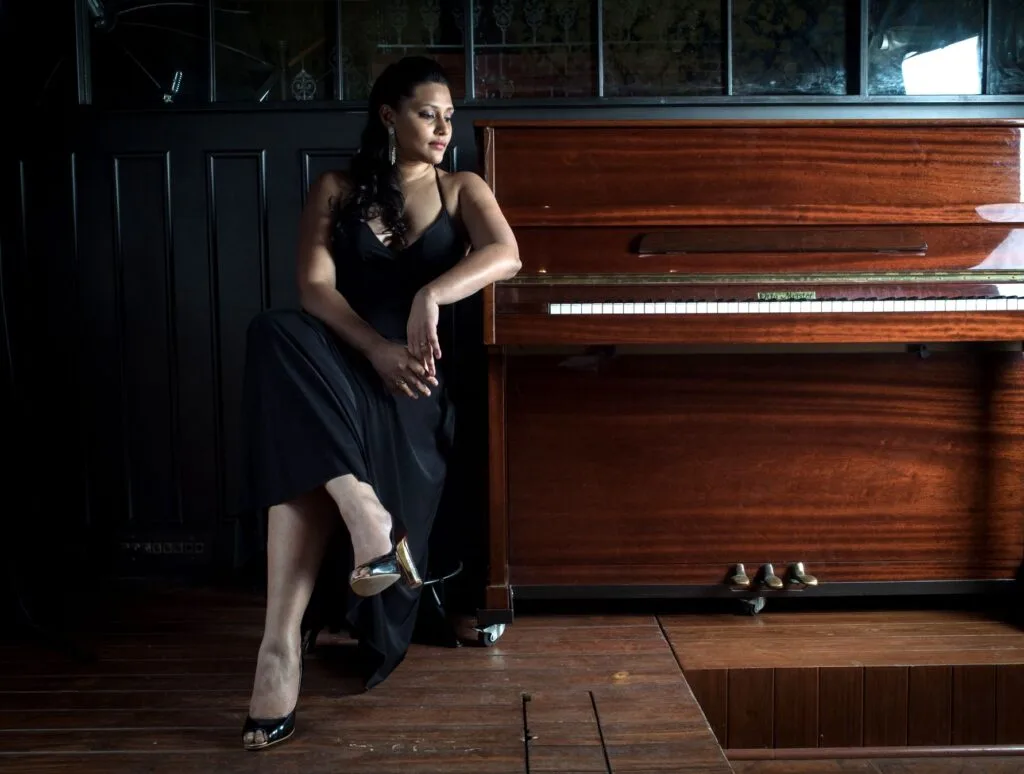
Rajesh shares that there has been considerable improvement due to the rise of music posting on social media during the pandemic and Indian musicians studying overseas and bringing that experience here. “The large consumer market in India is now a factor and with Indian artists performing on global stages and vice versa the Indian scene certainly feels more integrated into the global scene,” he adds. Arjun points out that while a “clear growth in access to live music and music education compared to earlier years,” that has happened more in certain cities and certain pockets, we still have a long way to go in terms of widespread availability. Vasundhara highlights a “massive shift in singers’ attitudes over the last 15 years” and a new open-mindedness which she finds refreshing, as singers from Hindustani and Carnatic traditions approach her for voice rehabilitation. “Back in the day there was a big “Us v/s Them” attitude but now there is a mutual curiosity and wide collaborative learning spirit both ways.”
Rajesh too points to the “cross-cultural element with collaborations between Indian and International artists” bringing a “unique experience and sound to audiences.” Arjun however says the word “unique” isn’t entirely fitting, “as the Indian jazz ecosystem is still young and evolving.” He however predicts that the introduction of Indian rhythm, harmony and melody will usher in India’s identity within jazz. “Jazz has always evolved wherever it travels, encouraging local artists to add to its vocabulary. What we’re seeing in India is the early stage of that process — and that’s what will eventually define its character here.” Vasundhara says she’s proud that the pedagogy she has believed in has now found its way into the mainstream, and that she remains excited to keep studying voice.
The progress has been fast in the Indian jazz scene, and more broadly in the independent and Western music ecosystem in India, both because of and despite unique challenges such as the pandemic. As increasingly unpredictable events shape our world, the attitude towards the Indian independent music scene evolving largely seems to look ahead. Overall, it is paramount, now more so than ever, that musicians feel uninhibited to express themselves and experiment, whether within jazz or music in general, and that they get the opportunities and avenues to express themselves fully. This is what will lead to India marking its own unique place in global music.