
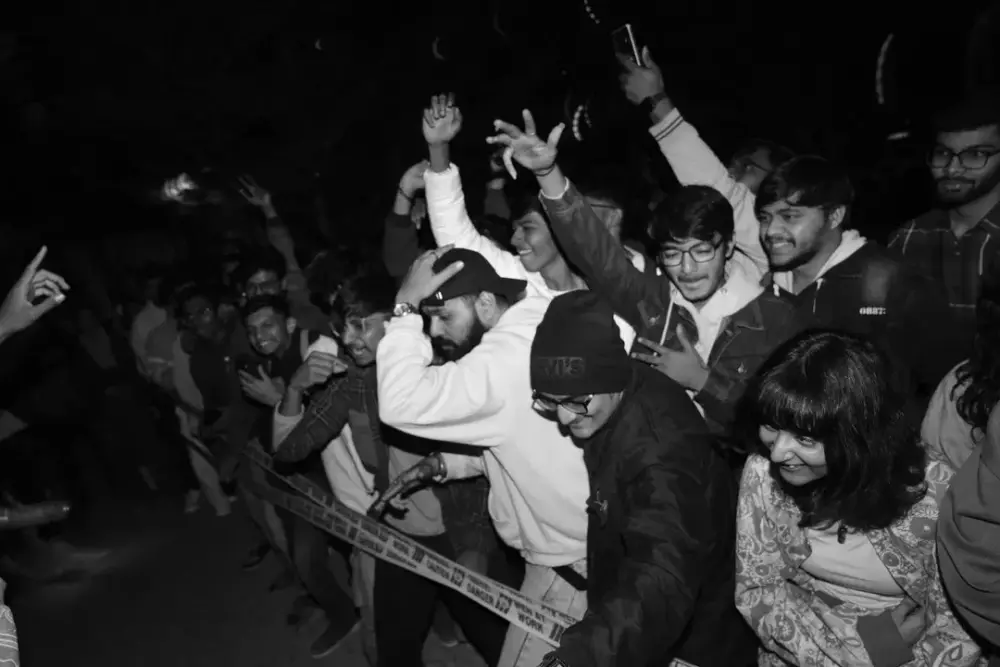

There is something quietly radical happening in Indian hip hop right now, and you might miss it if you are only listening in Hindi or Punjabi. Somewhere between the crowded lanes of Ahmedabad and the endless scroll of Instagram reels, Gujarati rap has been building itself from the ground up, turning a language often associated with tradition into a vehicle for rebellion, storytelling, and sonic experimentation.
It did not begin as a movement people could point to. In its earliest phase, Gujarati rap existed in fragments. Small cyphers, college performances, YouTube uploads with minimal production, and artists trying to figure out whether their own language could carry the weight of hip hop. Across India in the early 2010s, rappers were already shifting away from English, but in Gujarat, this shift came with hesitation. There was a lingering question: would audiences take Gujarati rap seriously, or dismiss it as novelty? Early coverage and research on Indian rap suggest that much of the country’s hip hop growth came from youth culture and digital platforms, which allowed regional voices to emerge without traditional industry backing.
That hesitation began to crack around the late 2010s. One of the early turning points came with artists like RaOol, whose work helped push Gujarati rap into public conversation. Around 2020, what was described as one of India’s first Gujarati hip hop albums marked a shift from scattered experimentation to something more structured and intentional. Media reports from outlets like The Times of India documented how artists were beginning to carve out space for themselves despite skepticism and limited infrastructure.
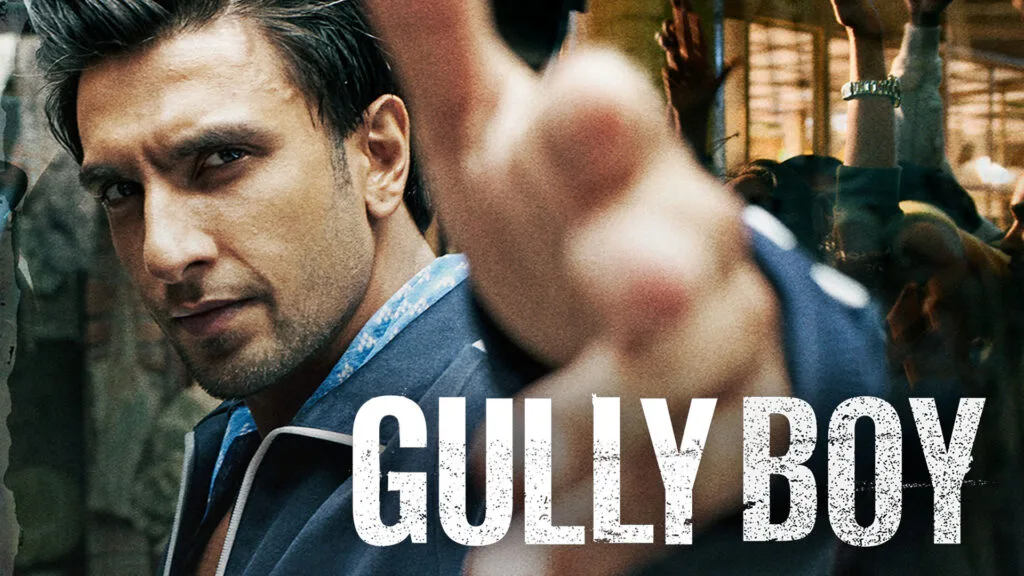
Then came the aftershock of Gully Boy. While the film centered on Mumbai’s scene, its impact rippled far beyond the city. It legitimized the idea that regional language rap could find mainstream audiences. It also reframed authenticity as strength. For Gujarati artists, this was a turning point. Post 2019, the scene did not just grow; it accelerated, with more artists releasing music, more listeners paying attention, and more platforms amplifying their work.
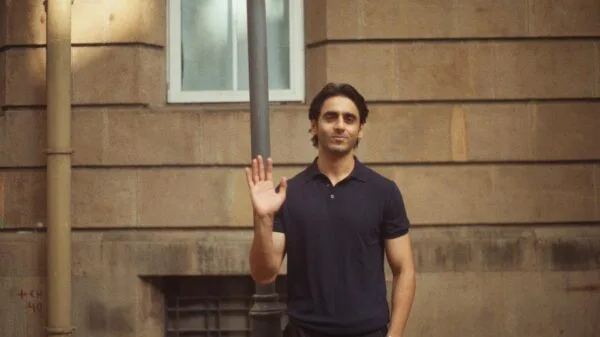
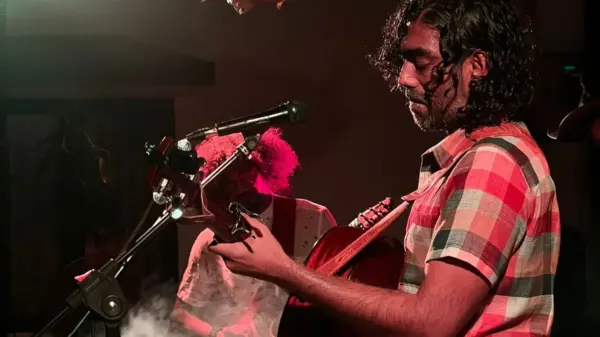
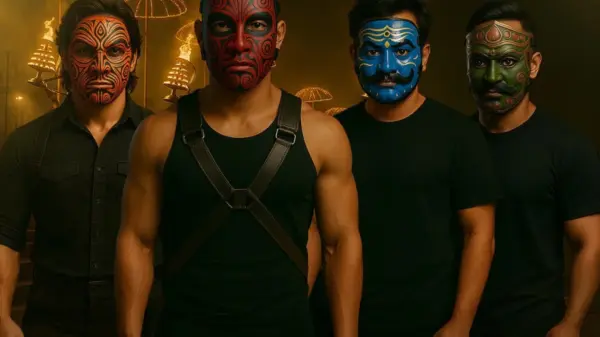
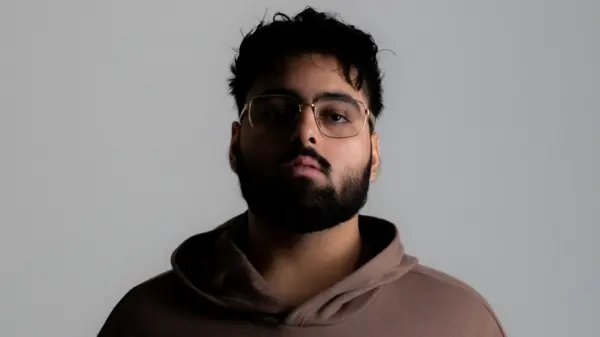
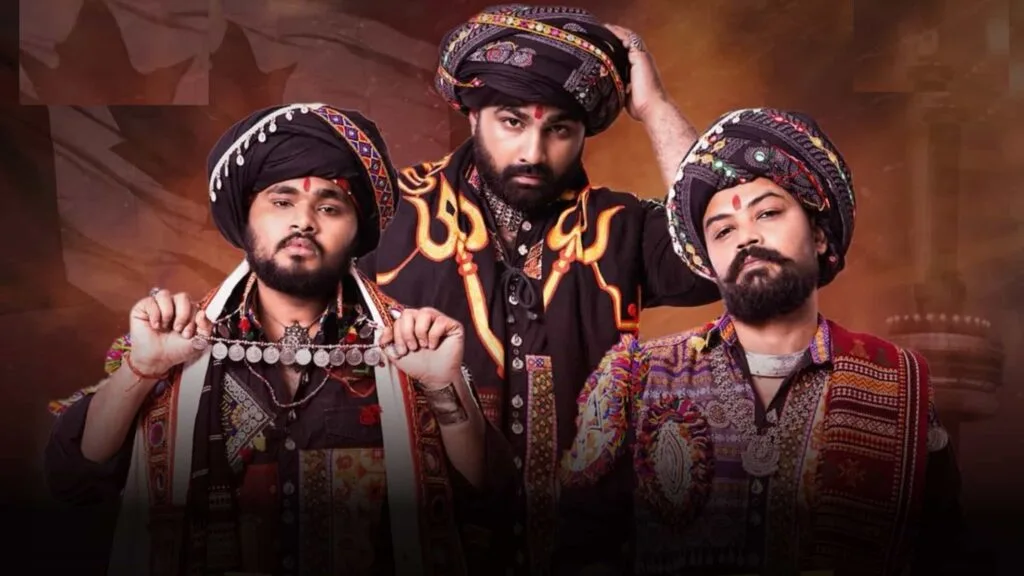
Today, Gujarati rap exists in a fascinating middle space. It is no longer invisible, but it is not yet fully industrialized either. What defines the present moment most clearly is its decentralization. There is no single sound, no dominant label, and no fixed formula. Instead, there are multiple parallel styles evolving at once. Hukeykaran represents a strand of the scene that is rooted in linguistic swagger, using everyday Gujarati slang as rhythm and identity. Aghori Muzik push toward a more spiritual and thematic space, blending devotional imagery with contemporary production. Meanwhile, Dhanji captures hyper local storytelling, turning Ahmedabad’s streets into lyrical landscapes.
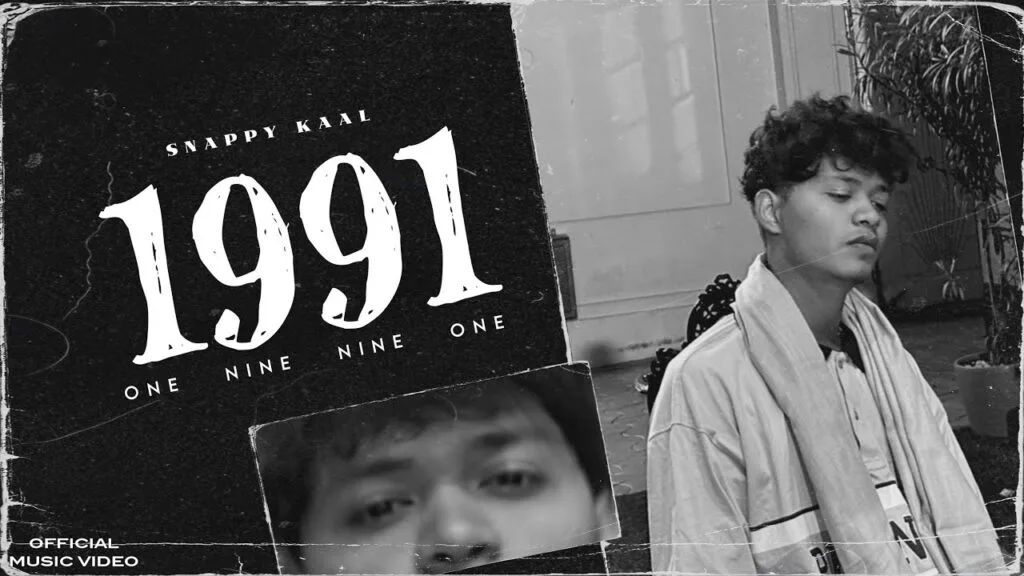
Alongside them, Snappy Kaal brings a distinctly youthful and energetic edge to the scene. His music often leans into hyper-local identity, with tracks like Thakkarnagar Style turning specific neighborhoods into cultural statements. There is a certain looseness and confidence in his delivery that reflects how the newer wave of Gujarati rappers are less concerned with proving legitimacy and more focused on owning their space. His work also translates particularly well to short-form platforms, where catchy hooks and attitude-driven visuals help songs travel quickly. In many ways, he represents how the scene is evolving with the internet, shaping music not just for listening but for sharing, remixing, and performing online. Artists like Swagger Hardy further add variation, ensuring the genre remains diverse and unpredictable.
What makes the current soundscape so compelling is its refusal to choose between past and present. Many tracks blend hip hop with folk influences, garba inspired rhythms, reggae grooves, and even devotional elements. This is not just stylistic experimentation. It reflects a deeper cultural negotiation, where artists are actively redefining what it means to be both local and contemporary at the same time.
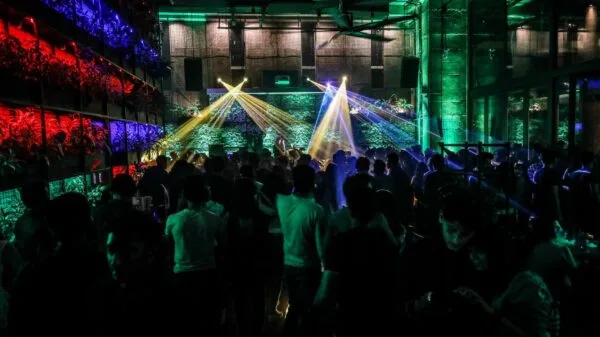
Digital platforms are at the heart of this growth. YouTube remains a primary release space, but Instagram has become just as crucial in shaping visibility. Songs often gain traction through reels, challenges, and short form clips that travel quickly across audiences. This has created a fast moving ecosystem where artists release music frequently, adapt to trends, and build audiences in real time. Reports on Gujarat’s rap culture highlight how these digital spaces have allowed artists to find their voice collectively, forming communities through cyphers, collaborations, and shared platforms rather than relying on traditional industry structures.
At the same time, the scene is becoming more polished. Production quality has improved, visuals are more intentional, and artists are thinking in terms of long term careers rather than isolated releases. The influence of post Gully Boy India is visible here, not in imitation, but in ambition. Gujarati rappers are not just participating in hip hop anymore; they are actively shaping its regional future.
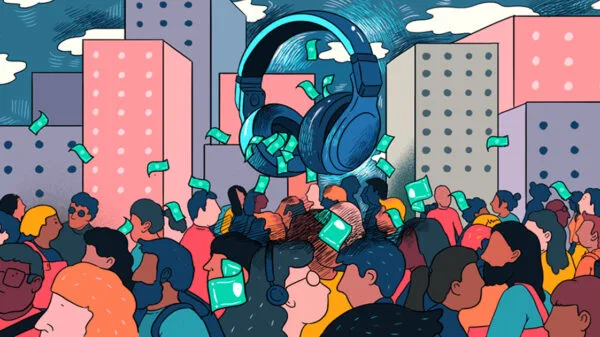
There are, however, real challenges that define the present moment. Audience reach remains one of the biggest. While Gujarati has a strong speaker base, its music does not yet travel as easily across India or globally compared to Hindi and Punjabi. This creates a tension between staying authentic and expanding reach. Monetization is another issue. Viral visibility does not always translate into stable income, and without strong label backing, many artists are still navigating sustainability on their own.
And yet, the future feels promising precisely because of these conditions. Gujarati rap is emerging at a time when Indian audiences are actively embracing regional language music. The dominance of a single linguistic mainstream is slowly giving way to a more fragmented, diverse listening culture. Publications and cultural commentary increasingly place Gujarati rap within this broader shift, alongside other regional scenes that are challenging the idea of what “mainstream” even means.
In that sense, Gujarati rap does not need to compete directly with Hindi or Punjabi music to succeed. Those industries have scale, history, and global infrastructure. Gujarati rap operates differently. Its strength lies in its specificity, its intimacy, and its ability to speak from a place that feels real and unfiltered. If it continues to evolve without losing that core, it may not just grow within the Indian music industry, but help redefine it.
Right now, the genre is still writing itself. It is messy, experimental, sometimes inconsistent, but undeniably alive. And in that uncertainty lies its greatest potential.