











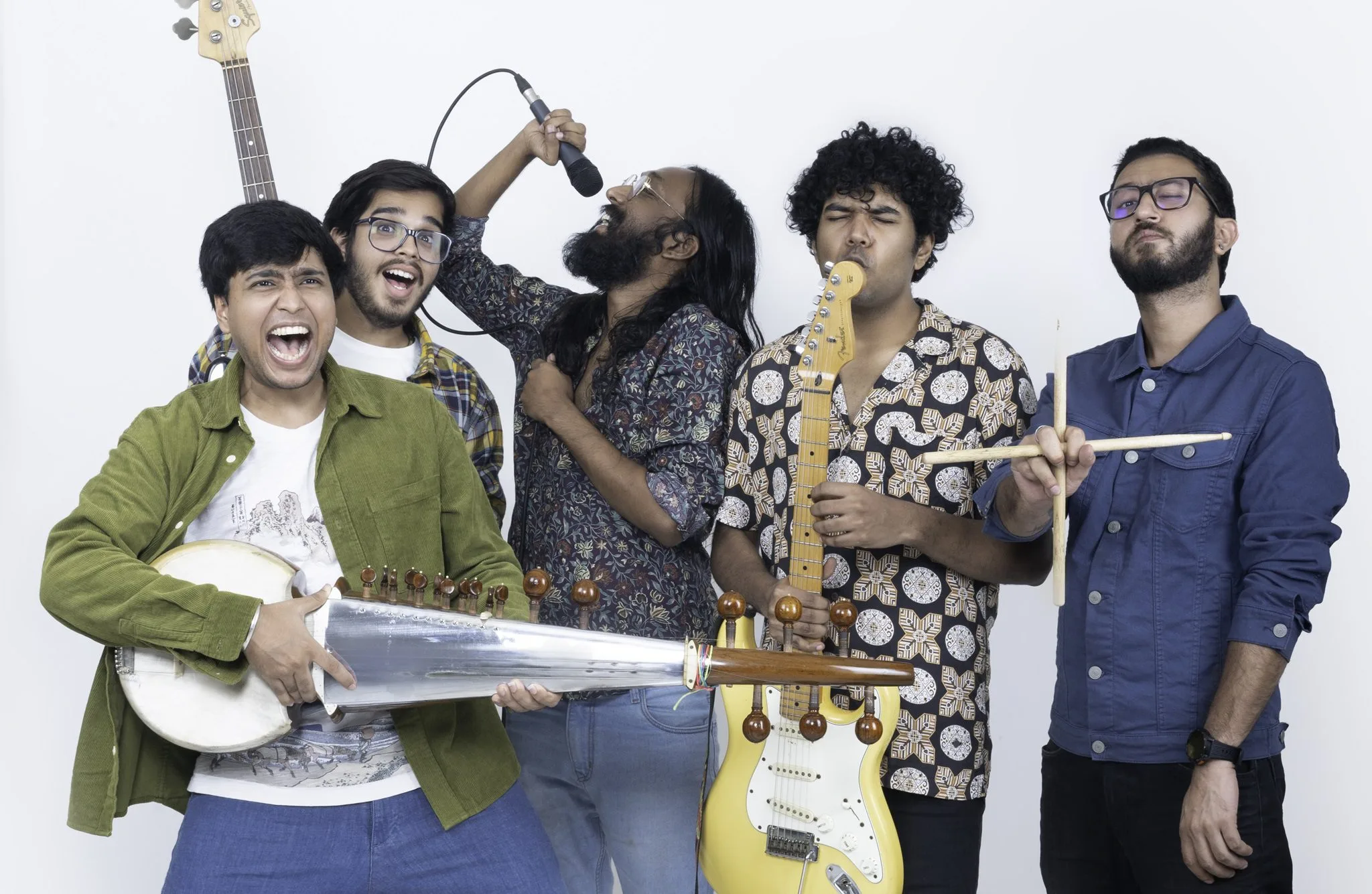

There is an inherent splendor to fusion music, something that has so tangible a quality of excitability that it prods at all your musical sensibilities. Perhaps this is best testified by the existence of raga-rock, and its definitions and redefinitions. Over time, many acts from India have emerged, reclaiming perhaps the once Orientalist association/conflation of the genre with Indomania. One tends to think of Ananda Shankar’s music bouncing off the walls of your head, with the vibrant yellow cover and the sprawling words : “I have had a dream to try to combine Western and Indian music into a new form, a music which has no particular name but is melodious and touching, and which combines the most modern electronic devices with the old traditional instrument, the sitar.” Kitanu, the genre bending five-piece band from Delhi which combines the mysticism of the sarod, to the blended elements of rock n roll, funk, jazz, disco, bossa nova, and the likes — holds a candle to Shankar’s sentiments, and does it well.
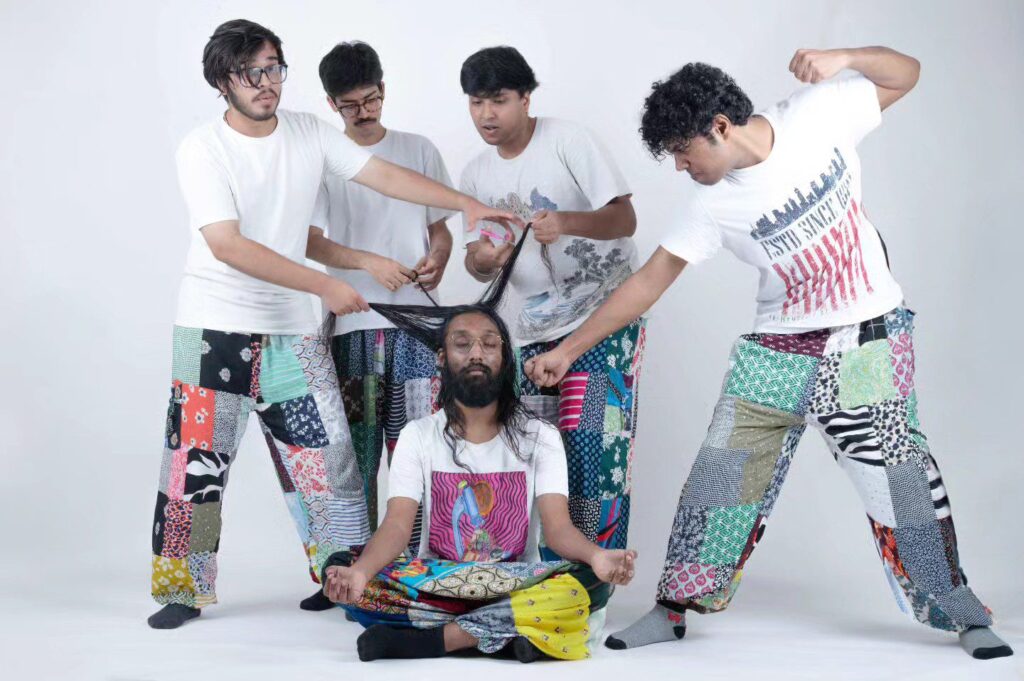
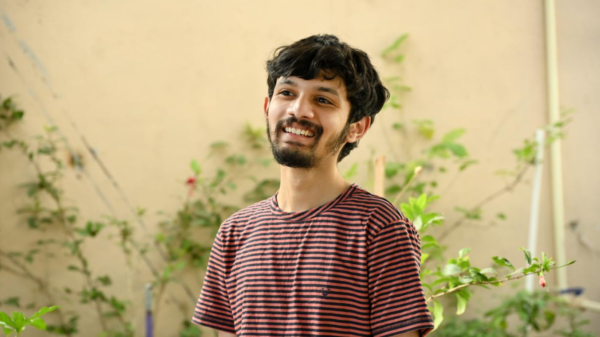
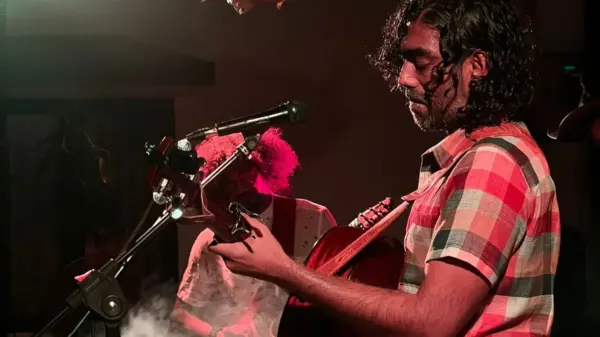
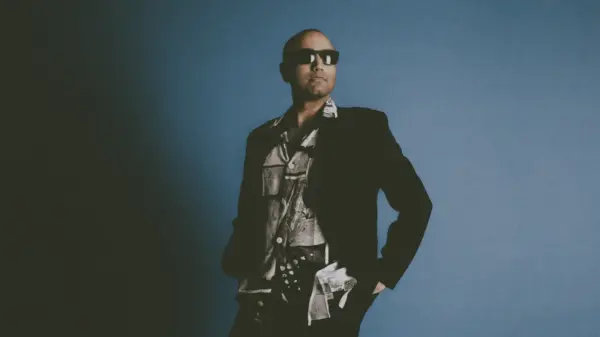
The five piece outfit — comprising Omkar Raghupatruni on guitar, Pranav Wahi on bass, Rijul Victor on drums, Siddhant Sarkar with vocals, and Rohan Prasanna’s sarod — has released a new single, How The Tables Turn, which works in a wonderful theatricality unto itself. The sarod is the stand-out, as it is meant to be, with a lovely intro of the instrument building up, crescendoing, interplayed with cleverly arranged percussion. Prasanna works his magic onto the track with apparent effortlessness, and the solo instrumental sections form some of the most interesting segments of the songs. The 7 minute track has the sarod dueling the guitar and the bass into multiple arrangements, and it grants it a curious texture, that is optimistic and almost cheery in its instrumentalization. The percussion maintains the structural unity of the whole effort — going head to head with the other instruments, forming a backbone on which the diverse elements of fusion rest on.
What took me by surprise is the lyricism on the song. Sarkar’s vocals are airy, light and gentle and almost trick you into assuming the false sense of security that the track is a sheerly happy one. One usually falls into the pattern of cutting songwriting a slack, when presented with such vibrant instrumental work. “Can you see the irony of everything we tend to be”, Sarkar asks, and the introspective, questioning employment of words grants the track its polished aspect. The vocal delivery and the tonality of his voice is reminiscent of something straight out of a mid 2000s to early 2010s parallel cinema soundtrack, an introspective melancholy that befits the self-searching, sarcastic characteristic to the pains of metropolitan middle class isolating disappointments.
I think Kitanu’s strength as a musical outfit lies in their experienced control on their respective roles in the band. Prasanna’s sarod, Raghupatruni’s guitar, Wahi’s bass, Victor’s drums, and Sarkar’s vocals are all fundamental to each other — the composition allows each member’s repertoires to seamlessly transition and blend into each other throughout. Delhi has had a tremendous underground music scene for decades, and some of its greatest exports to the national and international music scenes has been into the genre of fusion — Kitanu is one of those bands that holds the promise of turning into one of those giants, sarod-rocking their way into mainstream fame.
Listening to their new single made me visit their 2021 self-titled EP, which helped me contextualize their wonderful musicality further. While their previous project was more funk and rock-n-roll heavy, this leans heavily on more Hindustani traditions, and the final product is refreshingly clear. What they do manage to create with one single is curiosity and anticipation for more of their creative output, which one can presume will be a testament to the skillsets of the performers and the enmeshing of their identities.