













I have spent a large part of my life somewhere in the hills. Tawang, Ladakh, Himachal, the specifics changed but the feeling never did. There is a particular silence up there that you don’t find anywhere else, a kind of fullness in the quiet, and no matter how long I’ve been away, something in me has always known the way back. I don’t think I’m alone in this. I think anyone who has spent real time in the Himalayas carries a version of that pull for the rest of their life.
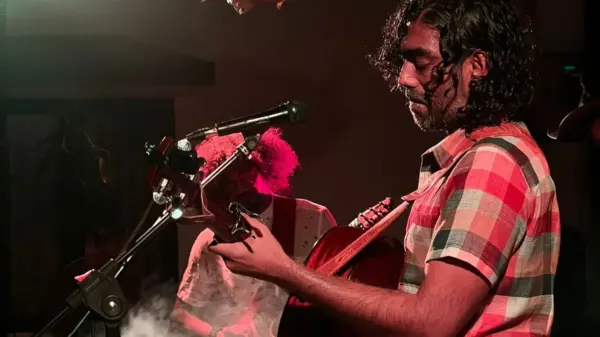
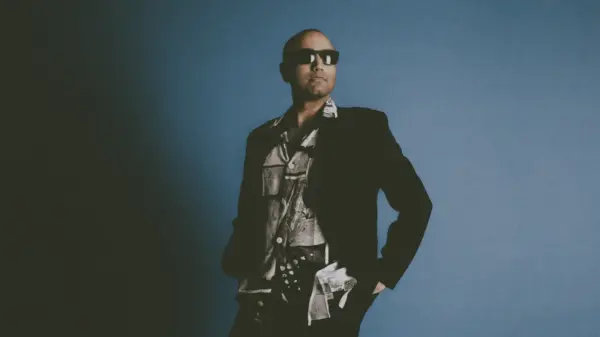
Shubhank Sharma, a Shimla-born singer-songwriter with over two decades of music behind him, has built his entire artistic identity around that very feeling. His debut full-length album, Himalay Se, released on 5 March 2026, is not just a record about the mountains, it is a record that moves the way the mountains move, slowly, on its own terms, and with a confidence that has nothing left to prove.
“In a music landscape that increasingly rewards brevity and instant gratification, Shubhank has delivered six tracks averaging nearly eight minutes each.”
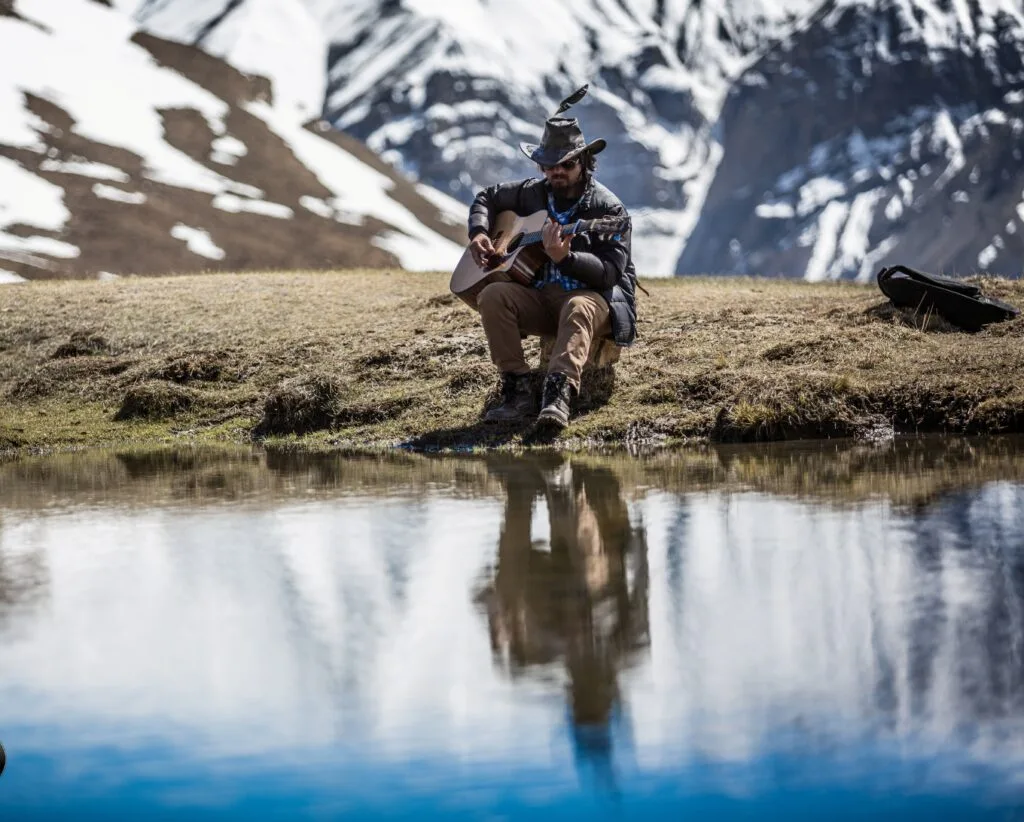
That confidence matters because this is a record that should not exist by the logic of 2026. In a music landscape that increasingly rewards brevity and instant gratification, Shubhank has delivered six tracks averaging nearly eight minutes each, progressive rock compositions built on odd time signatures, soaring guitar solos, and Hindi lyrics that ask you to sit with them. He has been playing some of these songs live for years. The fact that his audience waited, and that the songs were worth waiting for, tells you everything about the kind of artist he is.
The album opens with “Dastak,” and the title is exactly right. A knock. An announcement of arrival. The lyrics “khalayon mein abh bhi tera khwab hai, tu hi dastak” carry the weight of someone who has been holding a love for a place so long it has become a part of how they see themselves. It is a perfect first track because it does not try to ease you in. It opens a door and expects you to walk through it.
“Woh Subah” is where the album surprises you. It opens with a news broadcaster’s voice reporting on the Bombay blasts, an unexpected, almost jarring historical anchor before the guitars kick in with the catchiest riffs on the record. There is something quietly defiant about this track, a sense that the mountains have always been indifferent to the chaos of the plains, that they were there before the headlines and will be long after. It covers the rebellious side of the Himalayas the way few songs dare to: not romantically, but honestly.
“Shiv Kailash” does exactly what the name promises. The track transports you to a snow-covered peak, devotion and rock existing in the same breath without either one diminishing the other. It is the most spiritually charged moment on the album and also one of its most emotionally complete, the kind of song that makes you feel like you are watching the Himalayas from above, where everything human begins to look very small and very precious at the same time.
“Daleelein is a rebel’s call. A man choosing the mountains over the city, not as an escape but as a declaration.”
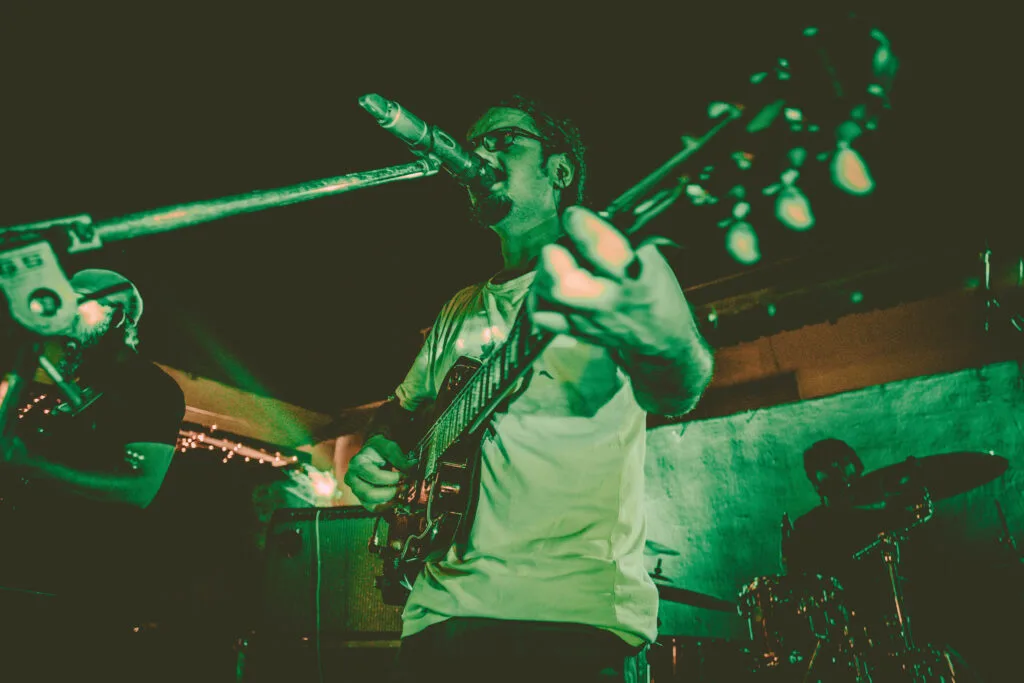
“Daleelein” is where the album finds its spine. It is a rebel’s call, a man choosing the mountains over the city, not as an escape but as a declaration. “Dil ne fir chuni yeh rahe, khule aasman ki yeh panahein.” My heart got me here, and here is where I stay. The music wraps the sentiment perfectly: restless and driving, wrapped in the kind of riff that doesn’t ask permission. After the spiritual grandeur of “Shiv Kailash,” this track feels like stepping back out into the cold air and remembering why you came.
Then “Sitaray” arrives, and the whole album exhales. A quiet mountain night, stars overhead, the kind of melody that asks nothing from you except your presence. It is the emotional counterweight to everything that came before and proof that Shubhank understands pacing the way only someone who has actually spent long nights in the hills can. You know what it feels like to look up at a sky that has not been diluted by city light. This track sounds like that.
The album closes with “Mann Re,” which begins differently from everything else softer, a little more worn and leans into the soulful register that “Sitaray” opened. It is a song about being tired and knowing you will come back anyway. “Dabbe paon se” It is the right note to end on. Not triumphant, not defeated, just honest about the relationship between a person and a place that will always call them home.
The cover art, designed by Solan-based artist Deeksha Kashyap, mirrors the album’s interior: vast, unhurried, and silent in the way only the Himalayas can be silent. Shubhank has been building toward this record since 2005, when his band Seraphim won the zonal finals of MTV Campus Rock Idol and caught national attention. His first solo single, “Ye Kya Jageh,” aired on MTV Roots in 2013. The caravan, as he has called it, has been moving for twenty years.
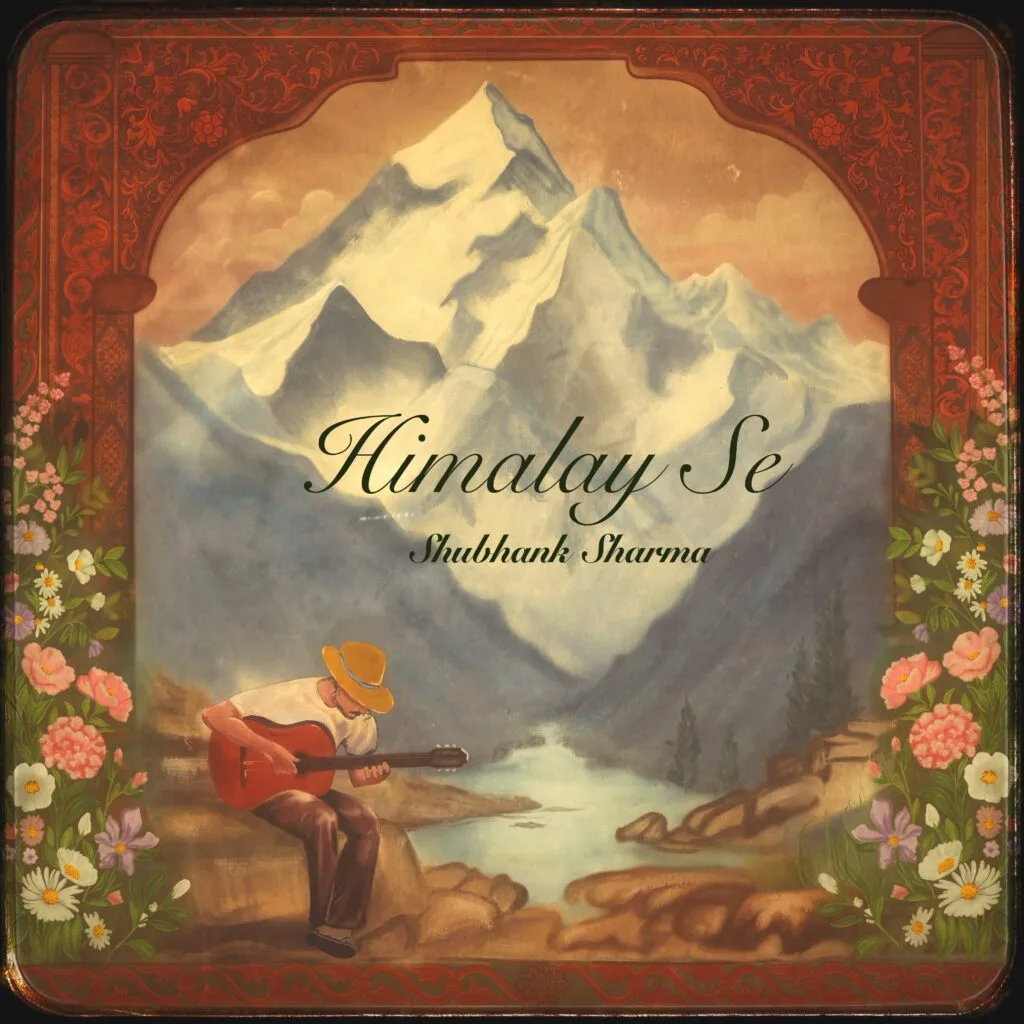
Himalay Se is where it arrives. Complex enough to reward listeners who want to go deep, soulful enough for those who just want to feel like they are standing somewhere above the clouds. If you have ever been called back to the mountains and not known quite how to explain why this album explains it for you.