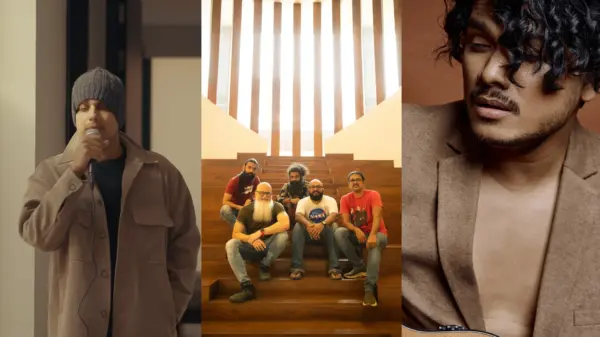




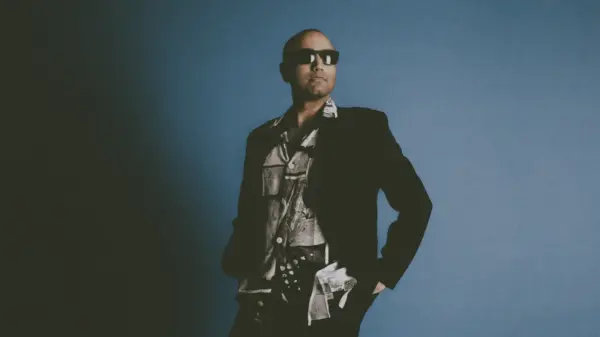
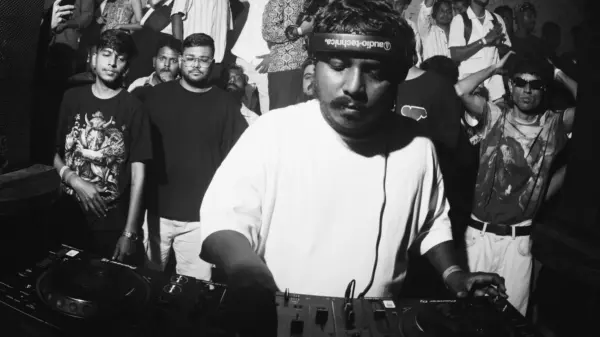








The Dhanan Project held onto its music for decades before deciding to share it with the world fully. Their self-titled debut carries compositions that date back to the 1960s alongside original material from the 1990s, all of it kept within the family and practiced rigorously without ever being formally recorded or released. That kind of patience is almost unheard of in contemporary music, and it shapes every second of this album in ways that are impossible to fake.
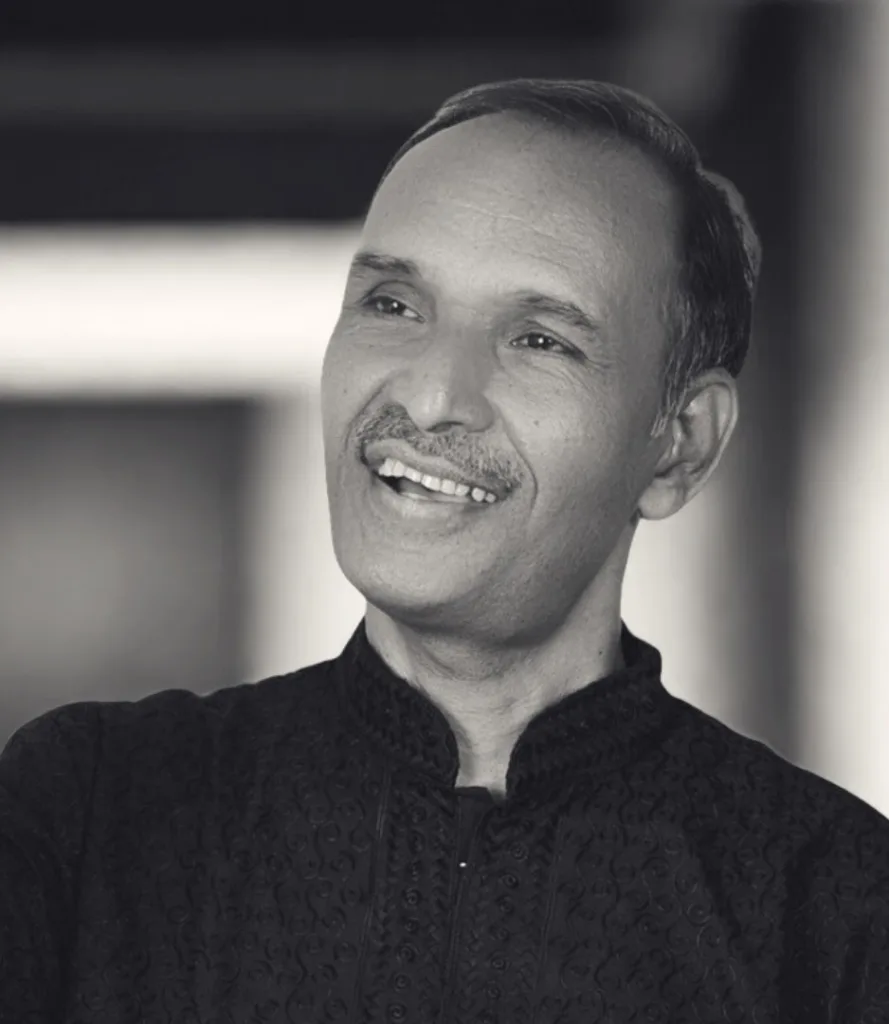
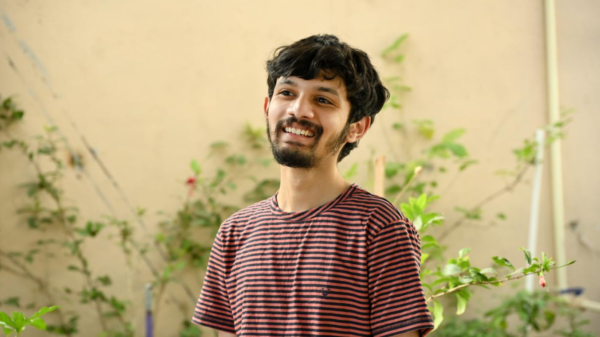
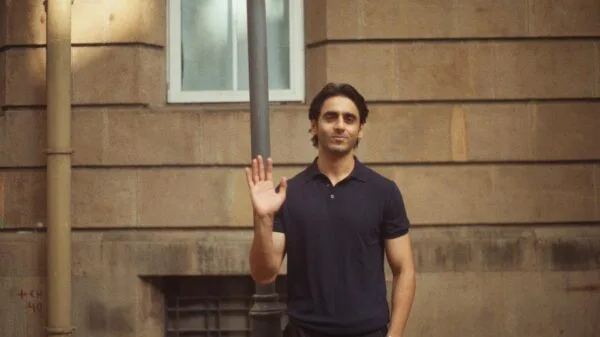
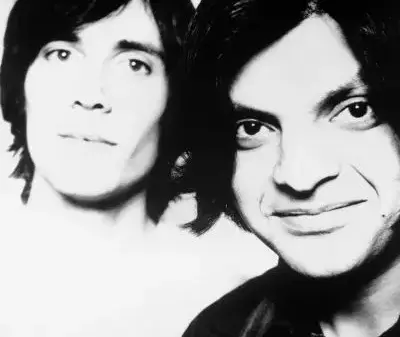
The project traces its roots to Late Shri Sajeewan Lal Bhatt, a violinist and senior musician at All India Radio, and Late Smt. Mona Bhatt, a vocalist and thumri exponent. Their son Dhananjay Bhatt grew up in a household where music was not an extracurricular activity but the texture of daily life, practiced and debated and corrected as part of a guru-shishya tradition that unfolded without any formal classroom structure. In 2024, Dhananjay met Samik, a producer and musician rooted in both Indian and Western traditions, and what started as a harmonium-and-voice session turned into a shared decision to finally bring this repertoire to an audience. The result is a nine-track album that blends ghazal and thumri with blues, jazz, rock, and groove-driven arrangements, and the balance between those worlds is handled with more care than you would expect from a debut.
“Bhool Najana” sets the tone immediately with blues rhythms, strings, jazz touches, and drums that lock into a groove before Dhananjay’s voice enters. The lyrics are genuinely touching, and the entire composition carries the energy of a song you would hear at a wedding in an old Bollywood romantic film, the kind of scene where the hero and heroine are struggling through separation and he keeps singing “bhool najana mera pyar” because those are the only words that make sense to him. It is dramatic without being theatrical, which is a balance this album returns to again and again.
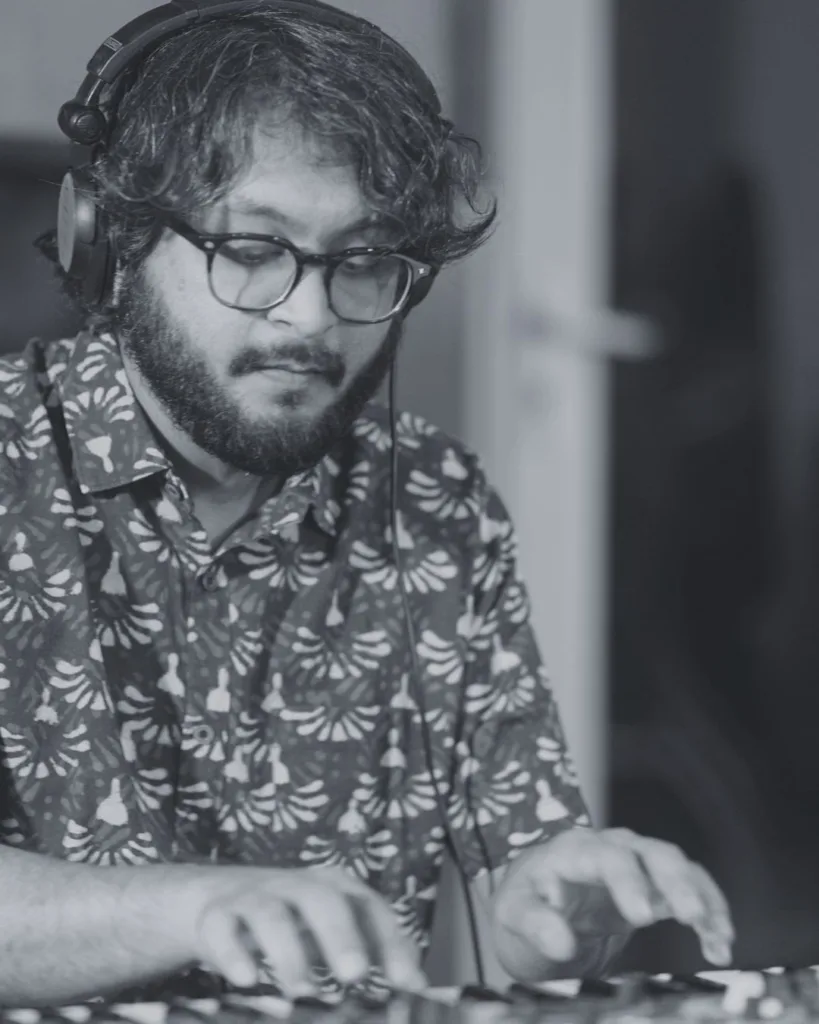
“Dil Ki Baat” brings everything down to a whisper. Built on poetry by Habib Jalib with music and vocals by Dhananjay and production by Samik, the track moves on soft strings and sufi-leaning lines like “aur kya dekhne ko baaki hai, aapse dil lagake dekh liya.” There is a sadness running through it that never becomes heavy-handed, and the arrangement gives the words enough room to land without crowding them out.
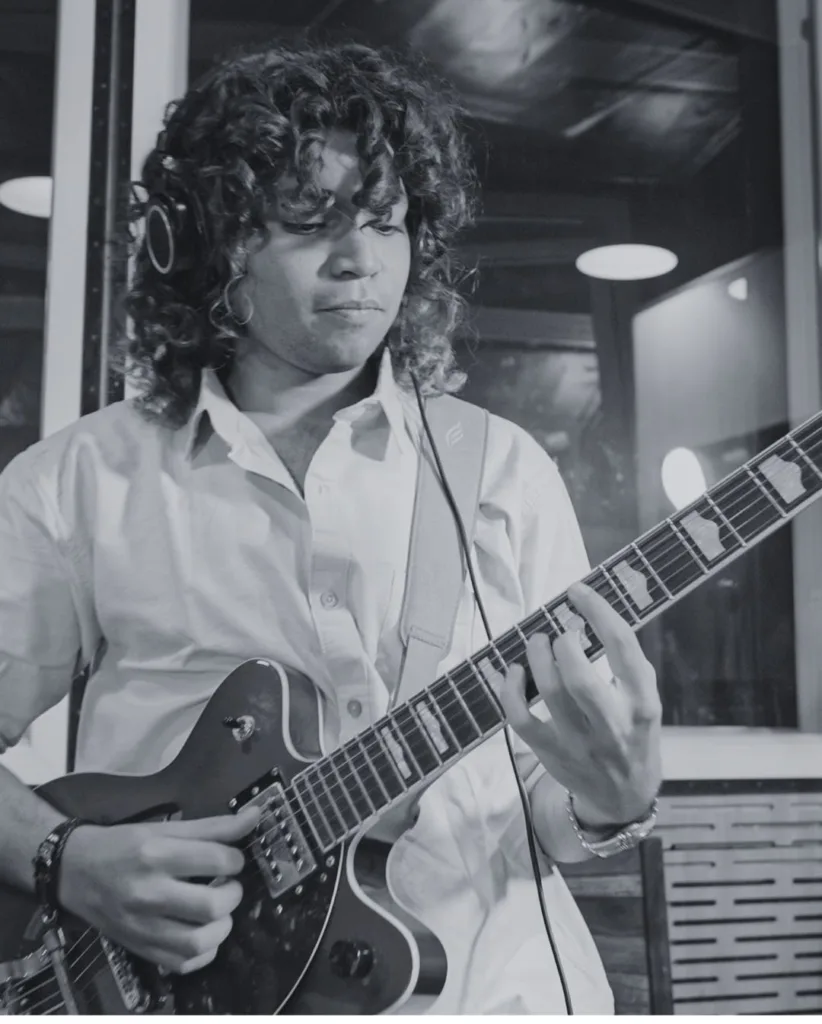
“Gham Ki Ek Bheed” leans into old school romance with a directness that does not need any extra explanation. The credits on this one tell their own story: lyrics by Late Shri Sajeewan Lal Bhatt with later verses completed by Prashant Musafir, music composed by Bhatt, and Samik handling all the instrumentation. It is one of the clearest examples on the album of how the project bridges generations without flattening anyone’s contribution, because you can feel the original composition and the modern production working together rather than competing.
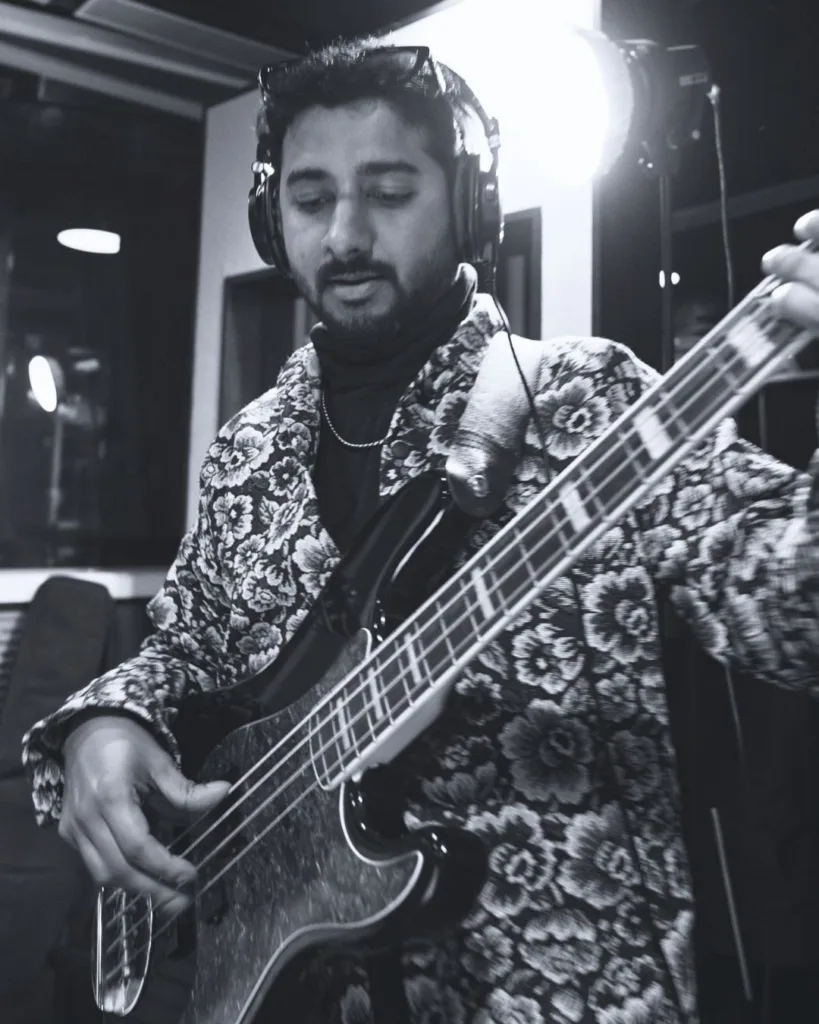
“Haye Paapi” is where the album shifts gears entirely. The mood swings from soft sadness into something jazzy, bluesy, and genuinely fun, with trumpets and strings bringing a new energy into the mix. There is a lovely alaap that opens things up, and the phrase “haaye paapi jiya nahi maane” repeats through the track in a way that sticks with you long after the song ends. If the first three tracks asked you to sit still and feel something tender, this one asks you to move, and it earns the shift by committing to it fully.
“Khush Hoon” is the longest track on the album at just over five minutes, and it uses that time by stripping everything down rather than building up. It opens with an alaap over soft, minimal strings, and the arrangement stays spare throughout so that the voice carries all the weight. The sadness here feels different from “Dil Ki Baat” because it is quieter and more internal, the lyrics are by Tabaan Jhansvi with music credited to Late Shri Sajeewan Lal Bhatt, and the restraint in the production makes every note feel deliberate.
“Main Hadey” continues in a similar space with a soft arrangement that gradually picks up momentum as the track progresses. “Na Ghabra” is where you hear a noticeably different band. The sound gets more modern with what sounds like synths in the mix, drums that hit harder, and a vocal delivery from Dhananjay that is bolder and more direct than anything earlier on the record. There might even be some anger in it, or at least a kind of defiance, as “ghabra dil ae zar tanhaiyo main” comes through with a force that the earlier tracks deliberately held back.
“Rut” goes in the opposite direction with bird sounds, soft water, and a flute that feels like it belongs outdoors. “Rut pyaar ki aayi hai” is a song that for the lack of better words, sounds like spring arriving, and the whole track has the quality of stepping outside after being in a closed room for too long. The nature sounds work because the arrangement around them is just as organic, and the song never leans on atmosphere as a substitute for substance.
“Tu Hi” closes the album with a genuine surprise. It opens with multiple voices layered over each other trying to say something, before Dhananjay comes in strong with vocals calling out. The energy is more modern and forward-leaning than anything the album has offered up to this point.
What holds all of this together across nine tracks and thirty-four minutes is Dhananjay Bhatt’s voice and the way it adjusts to each song without ever losing its center. He sounds like a singer who knows exactly what a track needs from him, whether that means pulling back to a near-whisper on “Khush Hoon” or pushing forward with force on “Na Ghabra.”
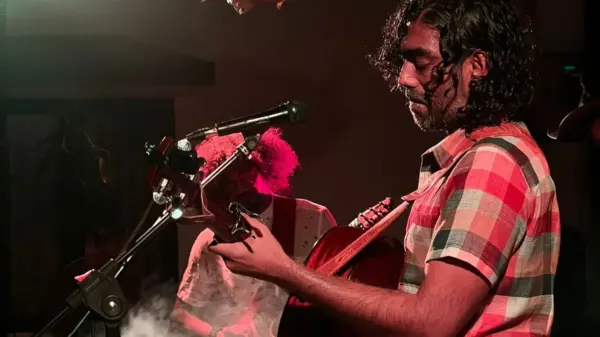
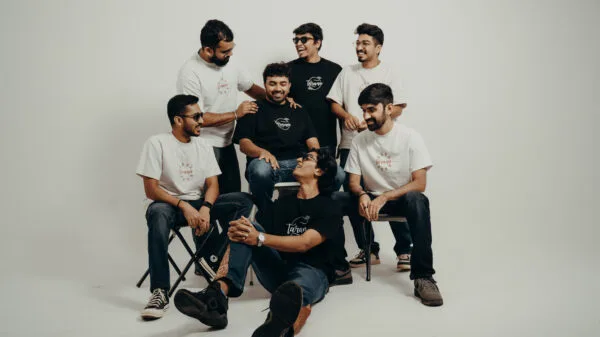
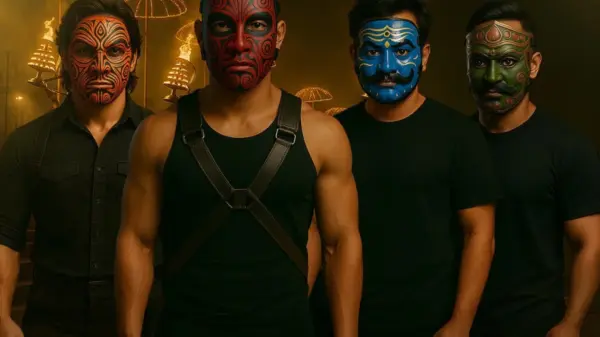
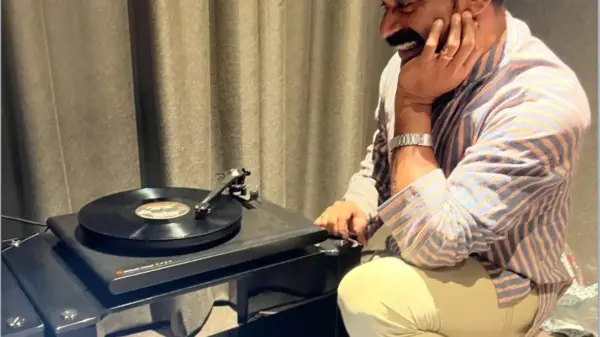
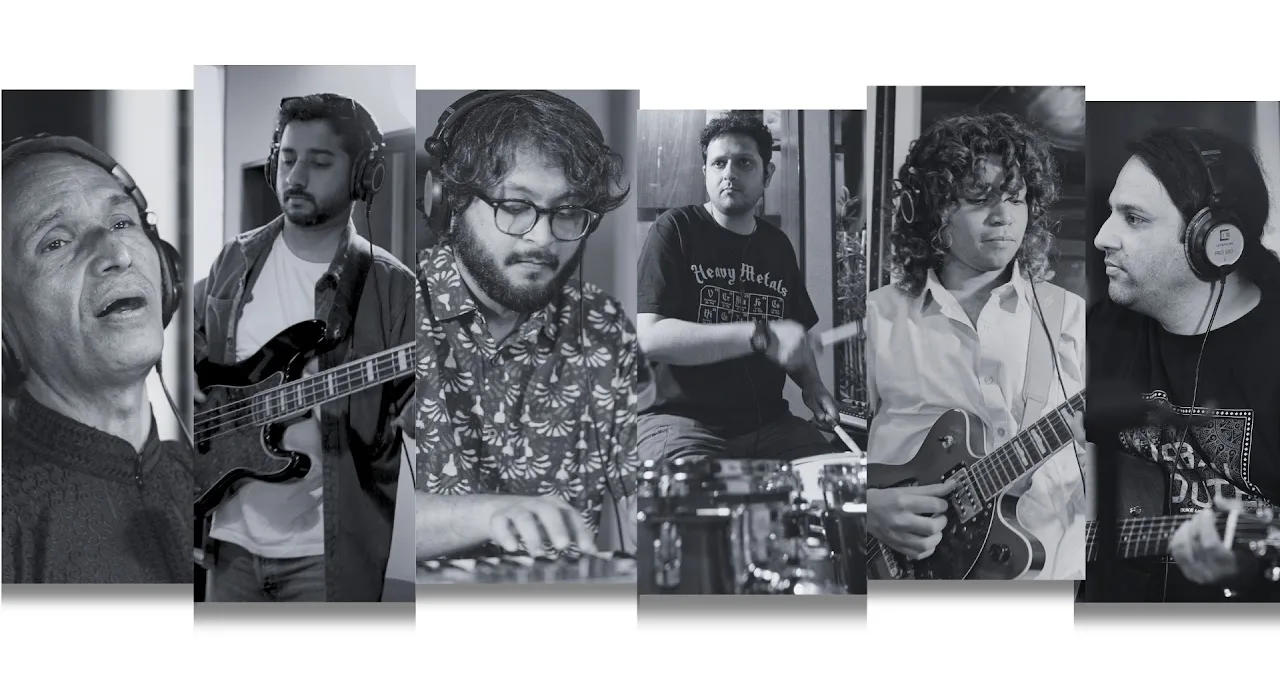
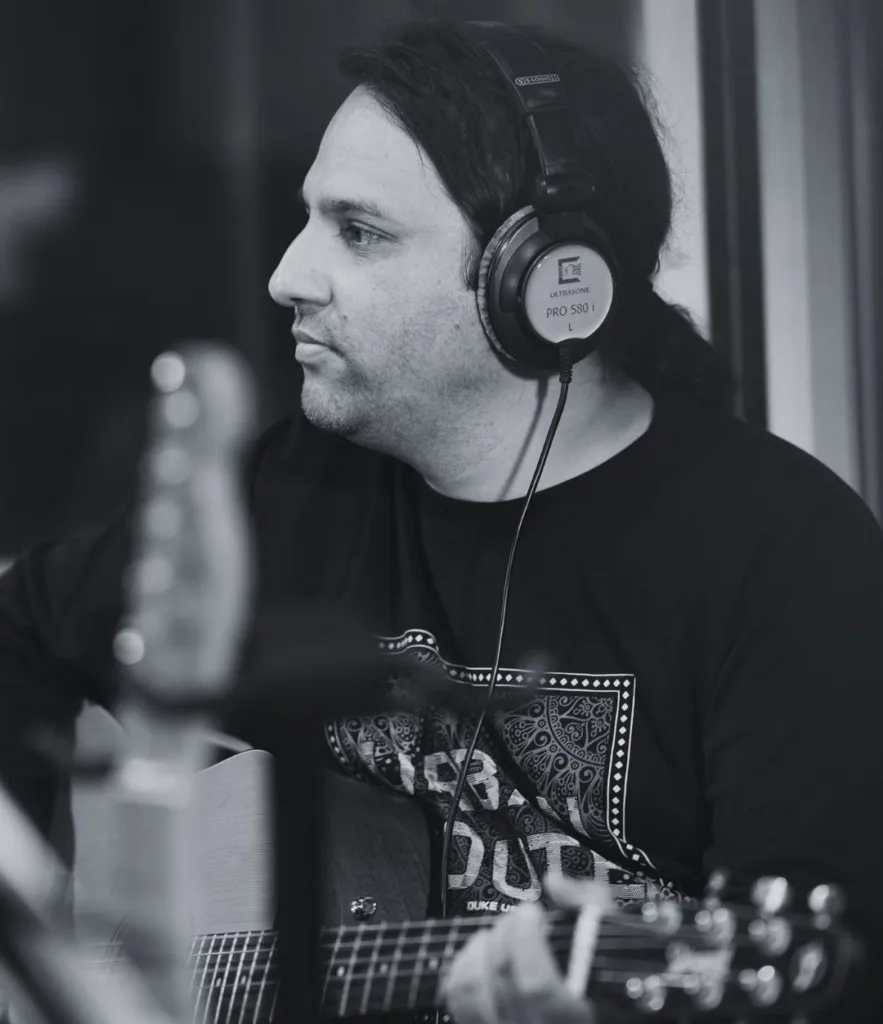
The full band supports that flexibility well, with Samik on guitars and backing vocals, Suyash Medh on drums, Sabyasachi Deb on bass, Shikhar Arora on guitars, and Hardik on keys. A community-supported vinyl pre-order is currently open for the album, which feels like the right format for music that asks you to slow down and listen from start to finish rather than shuffle through it.
This is a debut album with sixty years of life behind it, and it sounds like the work of people who understood that sharing it too early would have cost it something important.