








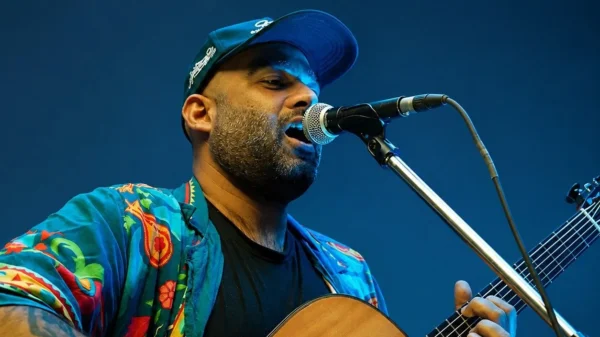
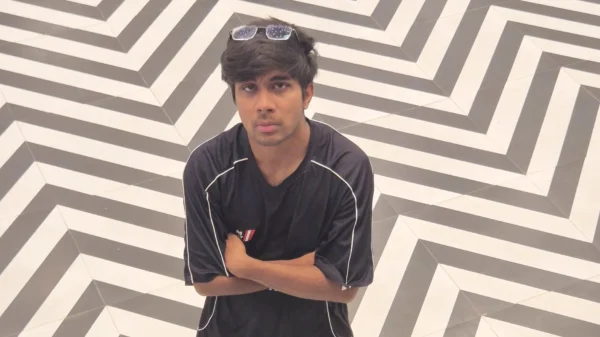


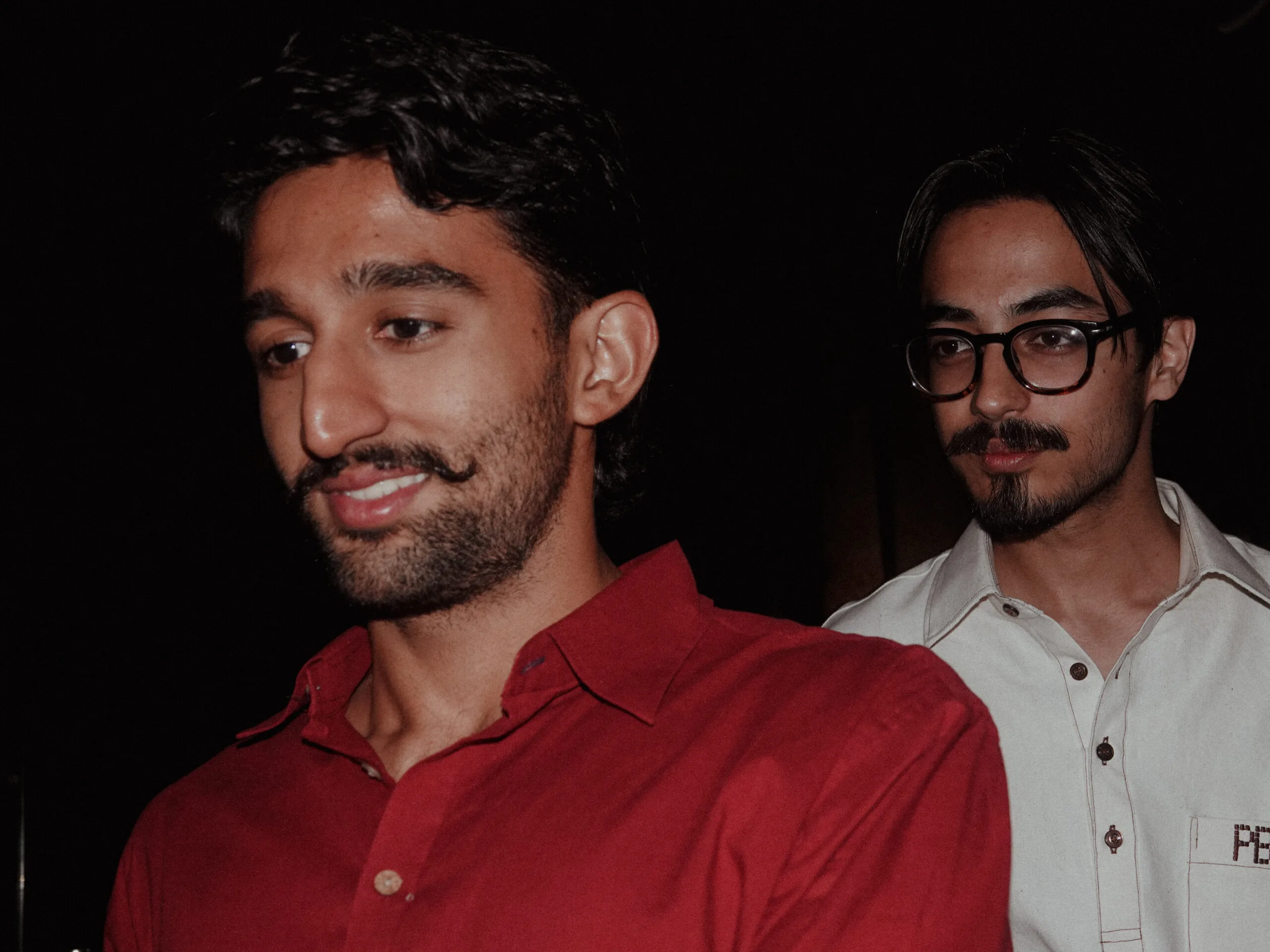

In our collective consciousness today, Punjab often gets reduced to stereotypes. Happy, jolly, loud people. Struggling farmers. Rap music and fast cars. Drugs and alcohol. The depth and complexity of the land and its people is often overlooked for easily digestible and sellable representations, and bite-sized images and ideas. The 12 track album PB2047, created by a duo consisting of Jalandhar-based musicians Amer Khosla and Manas Prabhanshdeep Singh, is challenging this watering down of the culture by bringing nuance and depth to the dialogue. “I really wanted the album to be politically sharp. But somewhere along the line, the material and music we chose swept us away in a certain direction. It became spiritually inclined and about the more personal transformation aspect” says Khosla.
The album opens with the eponymous track, where poet and writer Amrita Pritam’s poem Ajj Aakhaan Waris Shah Nu (Today I Say unto Waris Shah) is recited in a pained voice, leading the bare and hypnotic soundscape of the track. In the poem, she is speaking to Waris Shah, writer of Heer Ranjha. Earlier, Heer, a daughter of Punjab, had cried, and he had acknowledged her pain. Now, in the aftermath of the Partition, with riots and violence everywhere, all the land’s daughters are crying. “Speak from inside your grave,” she says, asking Shah to acknowledge their pain.
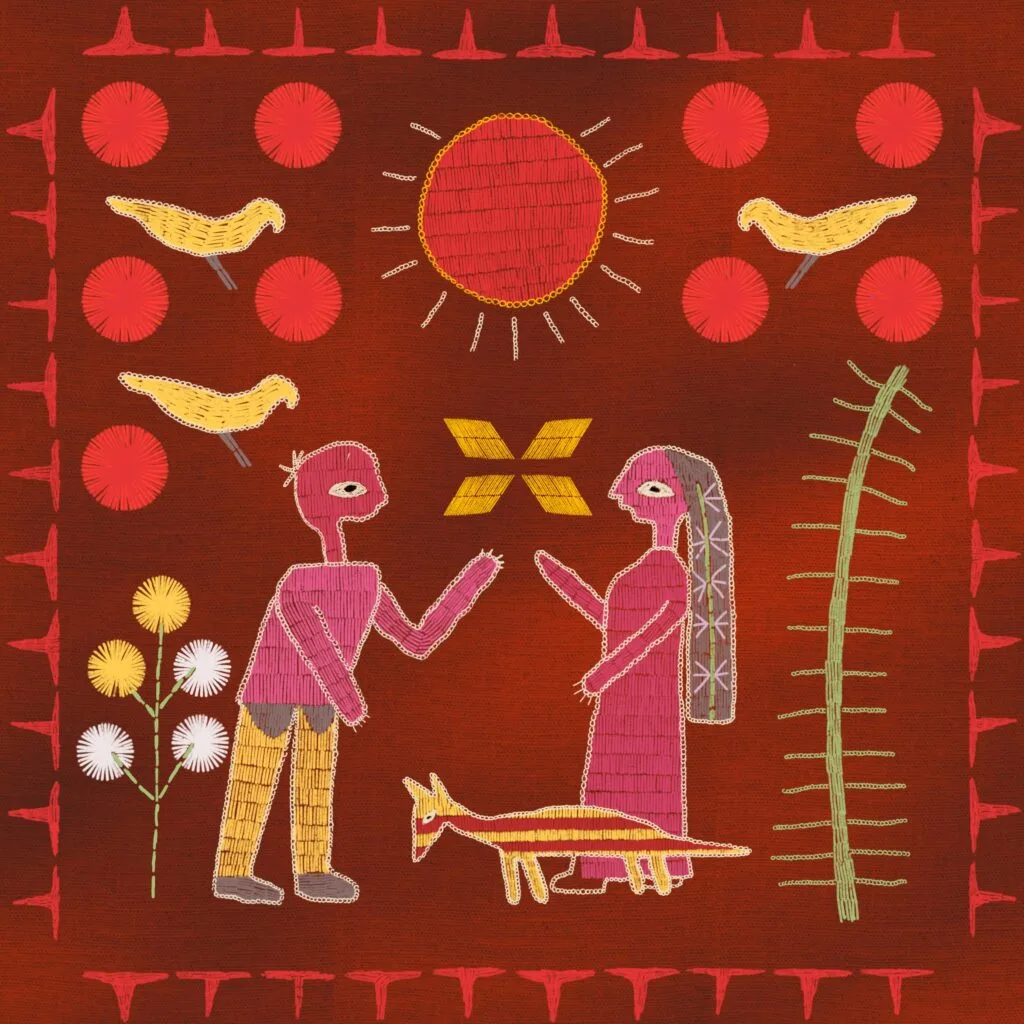
The track is an intense experience, setting the tone for the album to follow. A concept album, it’s set in the year 2047, a hundred years after the Partition. It follows two musicians who are trying to make sense of the Punjab they’ve inherited, acknowledging its fractured history and the impact that has had on the people, on their culture and art, their collective psyche, and their understanding of pain and joy. The album is as much a story of the land as it is of the musicians. “One of the aims of the album is to talk about the spiritual, intellectual and cultural bankruptcy that Punjab is facing as there’s mass migration. I feel this urgency. We need to remind people about our culture and what we’re missing,” says Singh.
The rest of the album also draws upon poems and ghazals, including Maye ni Maye and Birha toon Sultan by Shivkumar Batalvi, Mere Shauk da Nahin Aitbaar Tenu by Mirza Ghalib, Ni Saiyon Assi by Shah Hussain and more. The album presents a deeply contemplative, dramatic and oft-anguished interpretation of the poems, complemented by a precise and meditative fusion sound. The music is clean and hard-hitting, atmospheric and almost operatic in places. “I wanted to do something based in the future. In a way that we can use the future as a motif to exaggerate what’s going on in the present,” says Khosla. PB2047 is taking the listener on a journey of introspection, guiding one through Punjab’s harrowing history and ending with the promise of the land’s endless capacity to give, showing how hope still sprouts from the land.
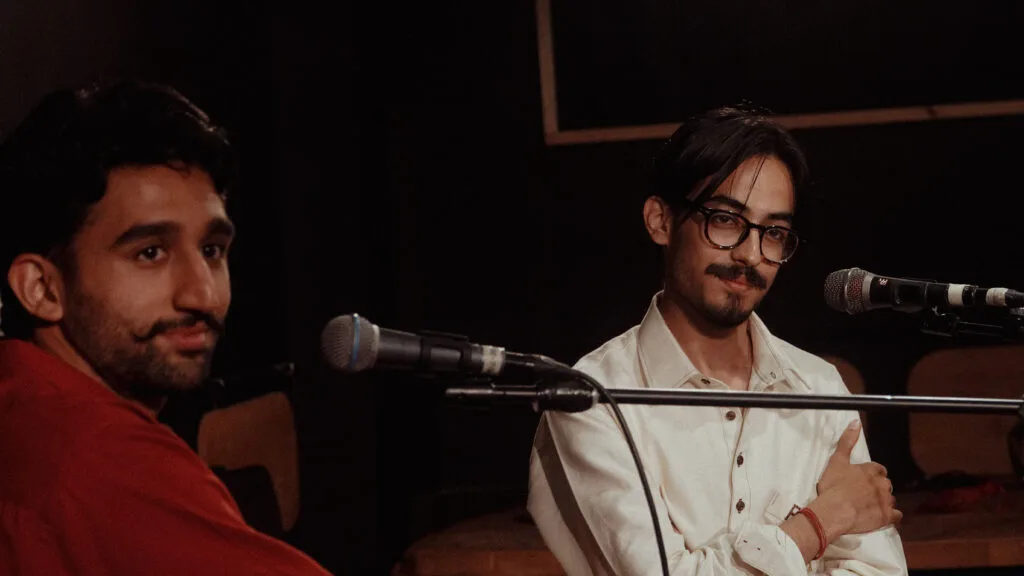
To bring this dialogue to people, the duo has been touring the country, hosting listening sessions and talking about the album. “Music is something that’s really spiritual for me. You’re not present in the moment. You teleport into this different universe,” says Singh, about his relationship with music. This feeling of being transported is something they have tried to create through their listening sessions as well. The sessions were an immersive and sensorial journey, aided by the fact that the duo tied up with the company Thirdness to introduce scents at the venues, to deepen the storytelling. There were scents like mitti, reminding one of the land, a pure Oudh scent, and more. Towards the end of the album, they distributed Jasmine flowers to the audience, representing the sense of existential peace and resolution, ambiguous though it may be, that the protagonists feel.
While the two musicians developed the concept together, the project birthed in Khosla’s mind, and he roped in Singh two months later. The album has released under the music label Doab Collective, run by Khosla, which is also an event space and music studio in Jalandhar, acting as a residency for artists. While artist releases under the label will be in their own name, PB2047 isn’t attached with a moniker, instead being one of the label’s in-house offerings. The idea is to create a portfolio of releases under the Collective’s banner, which Khosla hopes will make other artists interested in working with them. “Where we are as a country, or where we are in Punjab, we need artists. We need people to engage with things more deliberately and decisively,” says Khosla, about his intent behind the Collective.
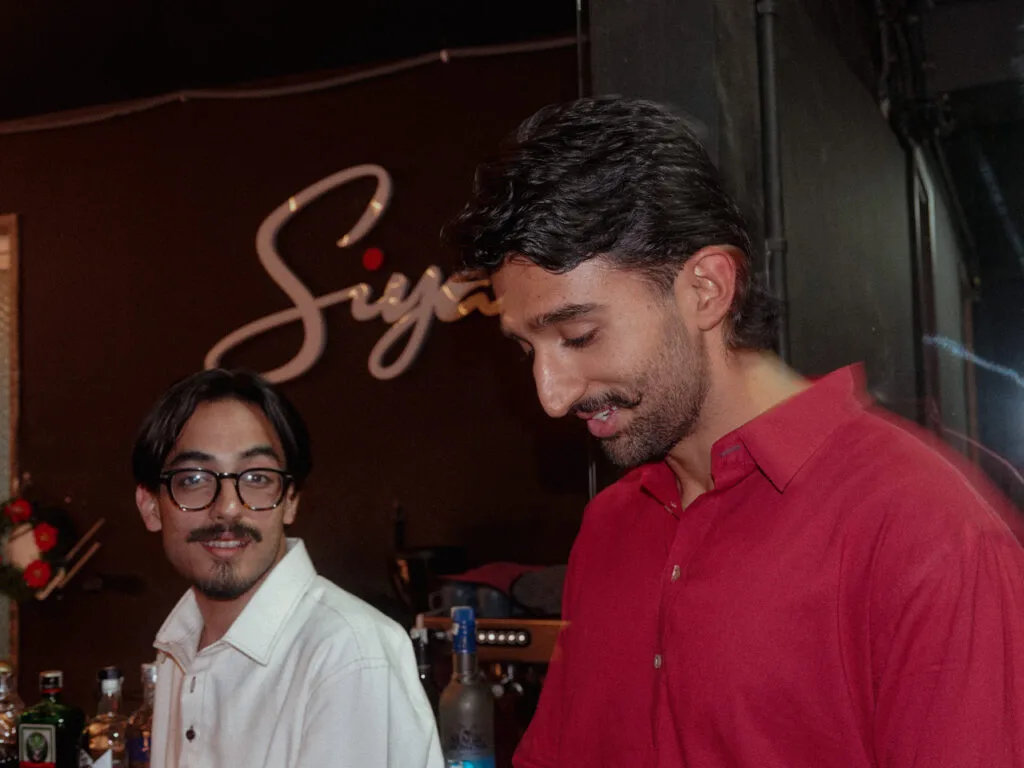
PB2047 released on 14 April on the Doab Collective website, with a pay as you like model. “We know that in the short term we won’t get that reach. But we’re trying to see how many committed people we can get to join,” says Khosla. He also understands the importance of live music, and points out how with the rising impact AI is having on music, it’s live music that will stand the test of time, since that’s not something technology can replicate. And he’s now in the process of putting together a band so he can perform the album live. “One thing we learnt from the listening experiences is that this music has some emotional weight. So if we can squeeze that juice even more, I think we’ll be onto something,” he says, about readying the music to perform it live.
Listen to the album here.