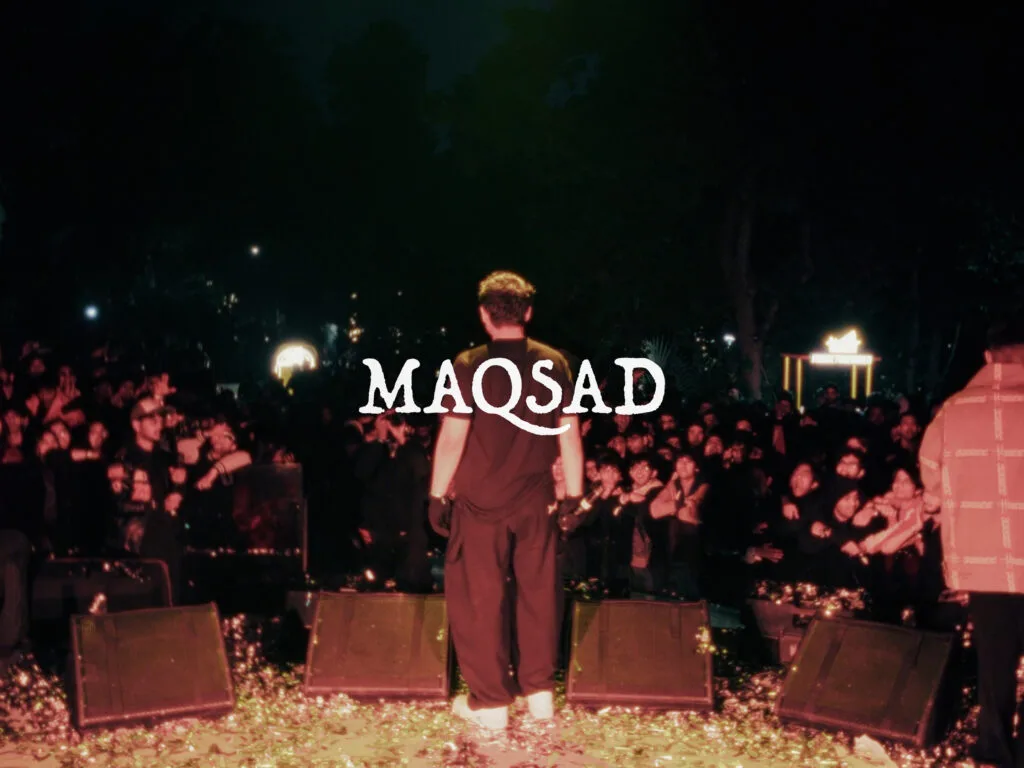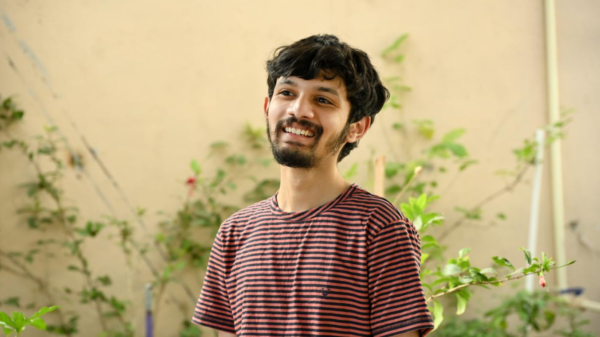














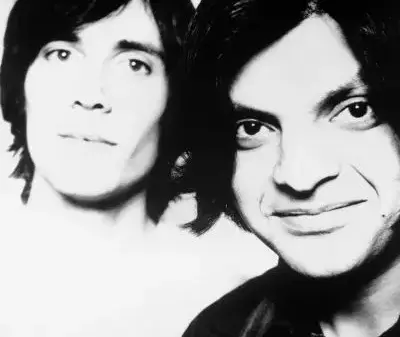




In a year where 2026 continues to see a surge of new artists and fast-moving releases, projects that choose to slow down and reflect tend to stand apart. Faizal’s much anticipated Maqsad arrives in that space not as a collection of tracks, but as a carefully constructed body of work. Having previously released music under the name Katoptris, he carries that foundation into a more focused and cohesive narrative, blending Hip Hop, Pop, and Indie Pop across Hindi, Urdu, and English.
Operating independently, Faizal takes full control of Maqsad, handling writing, mixing, and mastering. This hands-on approach translates into a sense of intimacy that runs throughout the album. It doesn’t feel externally shaped or trend-driven; instead, it unfolds like a personal archive. His evolution comes through in the precision and consistency of his storytelling.
The Concept & Narrative
Maqsad is built as a reverse journey. It begins in the present shaped by pressure, conflict, and emotional weight and gradually moves backward, peeling away layers to arrive at something more stripped and honest.
Skits like Bayaan (Intro), Doomscrolling, Trimurti, and Khabron Ke Khiladi act as narrative anchors, situating the album within real-world influences such as faith, digital fatigue, creative tension, and media-driven fear. From a Muslim household perspective, the album’s engagement with faith and inner discipline feels grounded in lived experience, adding depth without overstating it.

Tracklist Breakdown
What makes Maqsad stand out is how intentionally it moves not just sonically, but emotionally. Each track and skit feeds into the next, building a narrative that only fully reveals itself when experienced in sequence.
Bayaan (Intro)
The album opens on a reflective and spiritual note, immediately grounding the listener in a space of introspection. It doesn’t rush into music it sets a mindset.
KSKT (Kaha Se Kaha Tak) (ft. Yungsta & Tedd)
From there, the album slips into reflection. KSKT carries a sense of looking back, where growth isn’t loud or obvious, but something you recognise only in hindsight.
Doomscrolling (Skit)
The mood shifts as digital noise creeps in. This skit captures that familiar sense of overwhelm the constant consumption that slowly builds tension.
MC Industry (ft. Neil CK, JVSTSAYIN & Rishab)
That tension spills into the outside world. Here, Faizal turns his focus toward the industry, questioning its instability and the cost of staying true within it.
Trimurti (Skit)
The narrative pulls inward again, highlighting the contrast between internal struggles and the confident exterior artists often project.
Jakie Shroff (ft. JVSTSAYIN)
This idea of duality takes center stage the push and pull between who you are and who you present yourself to be.
Khabron Ke Khiladi (Skit)
The influence of media and external narratives begins to surface, adding another layer of tension shaped by fear and perception.
6 Figures (ft. Hardbone Boy & Fatboi Raccoon)
One of the more direct points in the album, this track confronts how faith, morality, and public image often collide, revealing uncomfortable contradictions.
Jamaat (Interlude)
A brief pause in the chaos, bringing the focus back to discipline and grounding almost like a moment to reset.
Abba Jaan Aur Unke Waris (ft. The S7X)
The narrative turns deeply personal here. Themes of family, responsibility, and generational weight come through with a sense of quiet heaviness.
Duur (ft. Mohit)
Distance becomes necessary. This track captures the instinct to step back when everything begins to feel overwhelming.
Qariib (ft. Vasu Raina)
That distance creates conflict between love and duty, between wanting closeness and needing space.
Haseena (ft. Karun & JVSTSAYIN)
The emotional tone softens, revisiting relationships and the impressions they leave behind.
Mona Lisa (ft. Gini, Faizan & Ezra Montoyo)
This feels like a return to something more pure and grounded. The credit to Katoptris here subtly ties the album back to Faizal’s earlier creative identity, without interrupting the flow.
Dua (Outro)
The album closes quietly, returning to spirituality not with answers, but with reflection ending the journey on a note that feels open rather than final.
Sound & Production
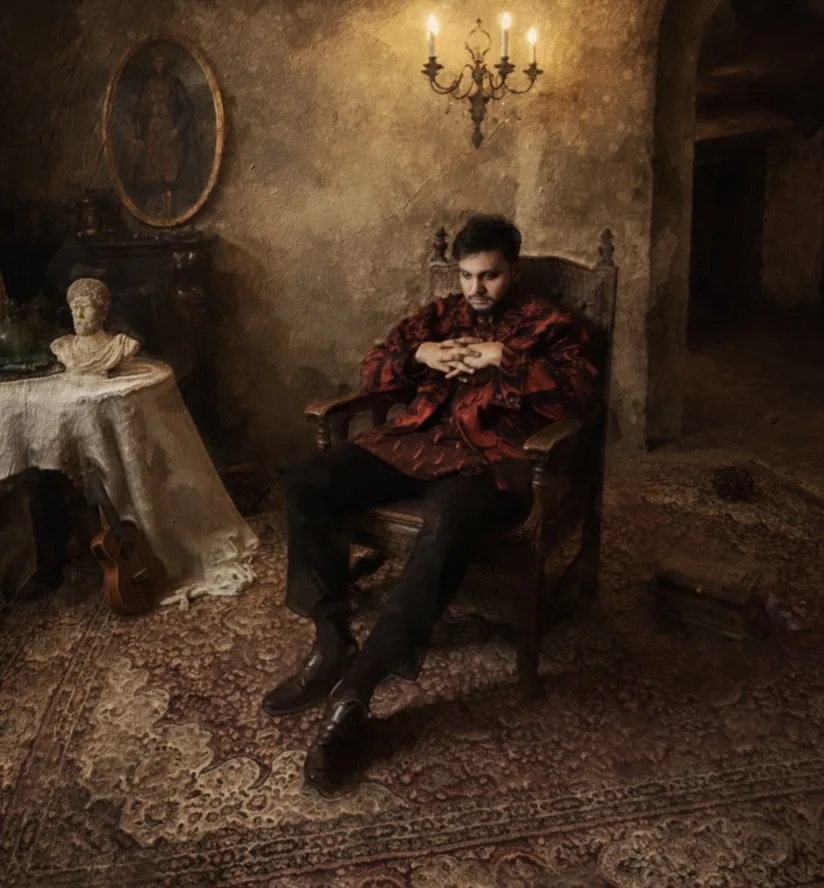
Sonically, Maqsad is defined by restraint and intention. The production moves between mellow, introspective textures and grounded hip-hop elements, maintaining a balance that never overshadows the writing. Transitions feel smooth and deliberate, reinforcing the album’s narrative flow
Writing & Themes
The writing centers on identity, faith, masculinity, societal pressure, and relationships. Rather than over-explaining, Faizal allows moments to sit and resonate. Themes like digital fatigue, industry disillusionment, and personal responsibility are woven in naturally.
Notably, the project also reflects a space where a Muslim artist within the Indian independent scene engages openly with faith, inner conflict, and identity in a way that feels personal rather than performative.
Features & Collaborations
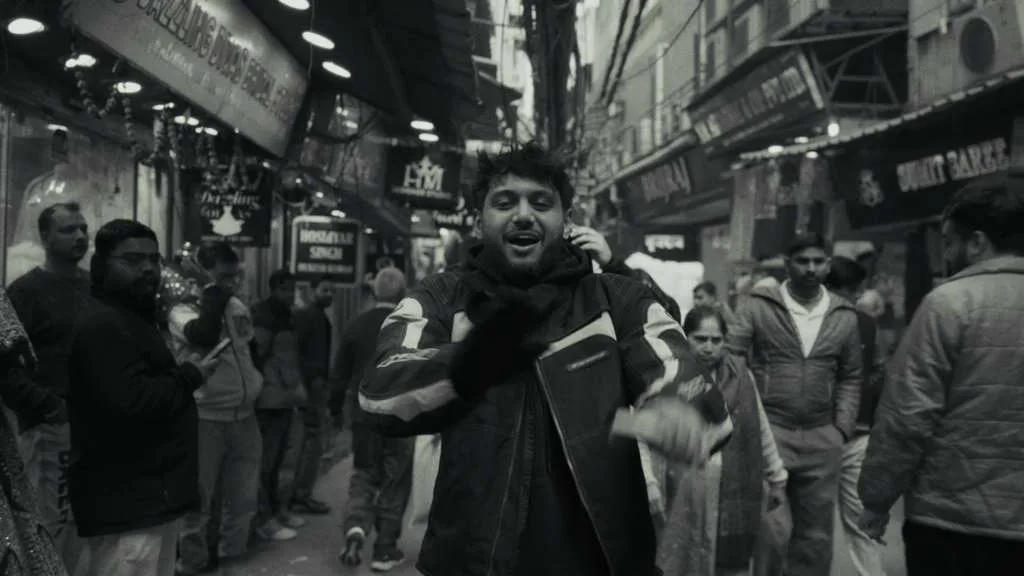
With contributions from Yungsta, Tedd, Neil CK, JVSTSAYIN, Hardbone Boy, Fatboi Raccoon, Vasu Raina, and Karun, the album maintains a consistent voice while allowing room for multiple perspectives
Closing Thoughts
Maqsad stands as a cohesive, concept-driven project in an increasingly fast-paced independent landscape. Rather than chasing immediacy, it leans into structure, reflection, and narrative depth. The result is a body of work that unfolds gradually one that stays with the listener long after it ends.