






Set against the raw, untamed beauty of Himachal’s highlands, Voodoo Valley returns as a carefully constructed passage into something deeper. Now in its fifth edition, the three-day gathering has steadily carved out a reputation as one of India’s most distinctive music and arts experiences, focused less on spectacle and more on sensation, less on escape and more on return.
This year’s theme, ‘Love Reborn,’ signals a quiet but powerful evolution. It is positioned as a lived philosophy, an invitation to reconnect with music, self, and the surrounding. Organisers describe the 2026 edition as a “reunion,” where music, mountains, and people move as a single entity. In a cultural landscape increasingly driven by scale and commercial visibility, Voodoo Valley’s insistence on intimacy and intention feels like a breath of fresh air.
A Festival Embedded in Nature
At the heart of Voodoo Valley’s identity is its setting. The festival unfolds at Dev Lok, a 21-acre property perched nearly 8,000 feet above sea level in the Kullu Valley near Manali. Surrounded by dense deodar forests, Himalayan peaks, and the flowing Beas River, the venue is not treated as a backdrop, but as a collaborator. Built in the traditional Kath Kuni architectural style and supported by Himachal Tourism, Dev Lok offers a rare combination of cultural authenticity and infrastructural reliability, an important consideration for a remote, high-altitude gathering that draws thousands.
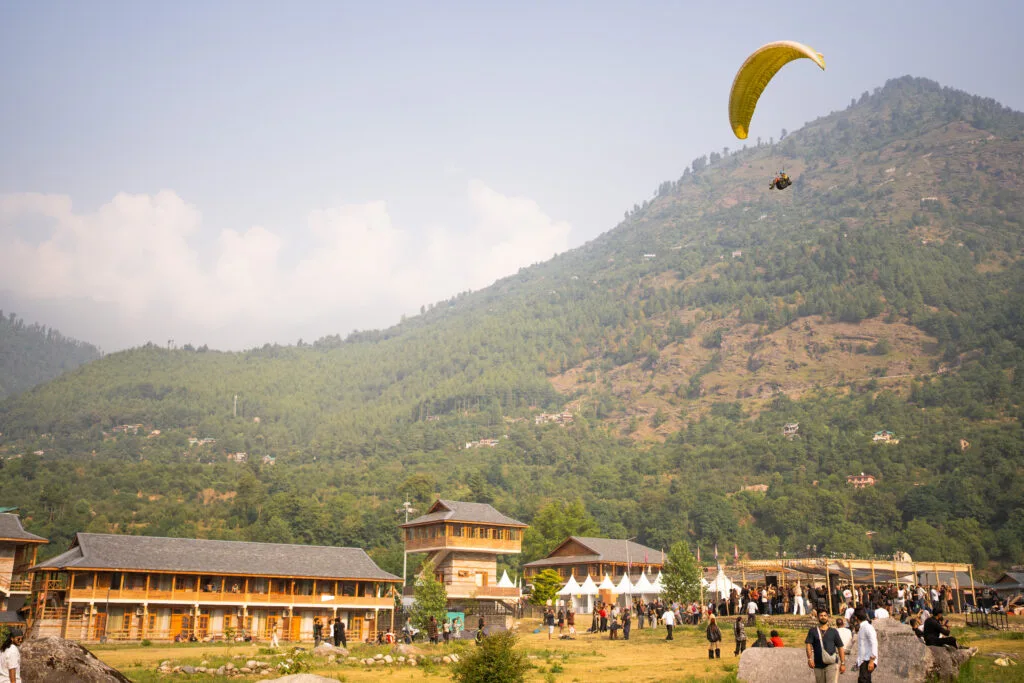
But perhaps the festival’s most defining decision lies in how it approaches accommodation. Rather than constructing a self-contained tent city, Voodoo Valley actively encourages attendees to stay in nearby homestays, guesthouses, and village lodgings. This approach not only disperses economic benefit into the local community but also reshapes the attendee experience. Mornings begin not in a campsite, but in lived-in homes, stepping out into mountain air and walking into the festival grounds with a sense of belonging rather than detachment.
A Lineup That Champions India’s Domestic Talent
At a time when global headliners often dominate festival billing, Voodoo Valley takes a markedly different stance. Nearly 90 percent of its lineup is homegrown. This is a clear indication of the belief in the richness and diversity of India’s music scene.
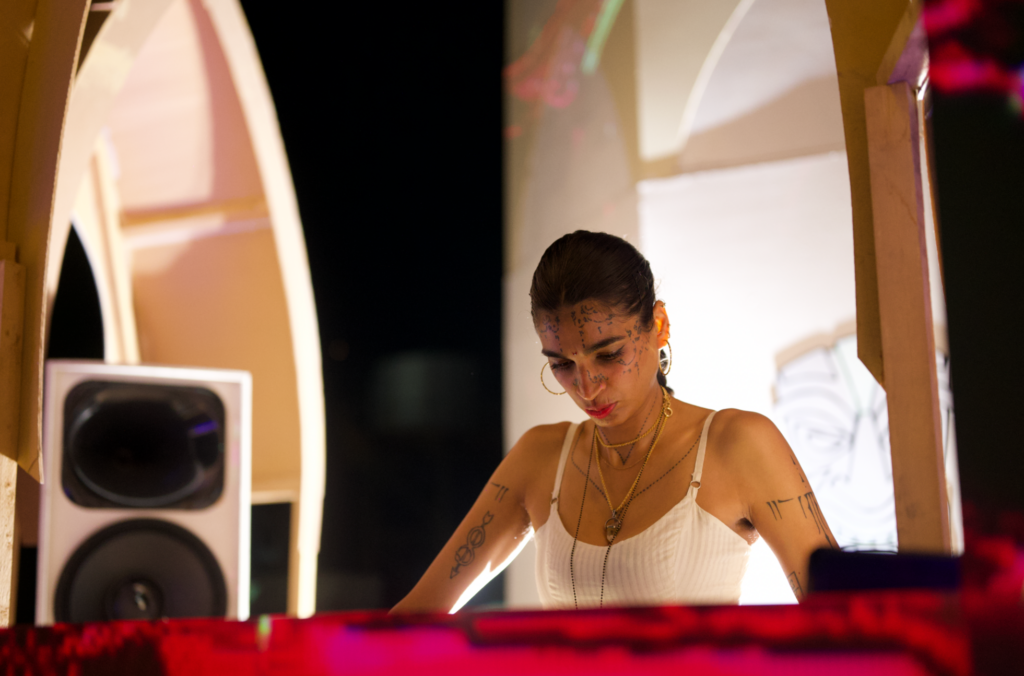
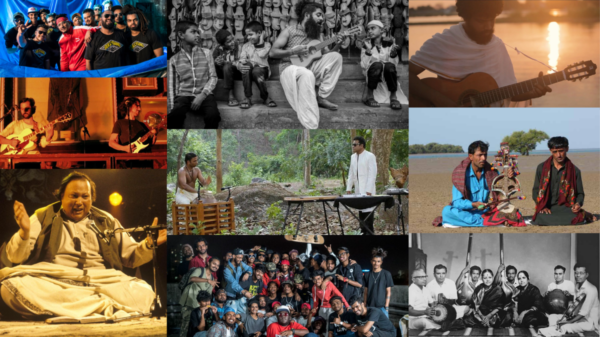
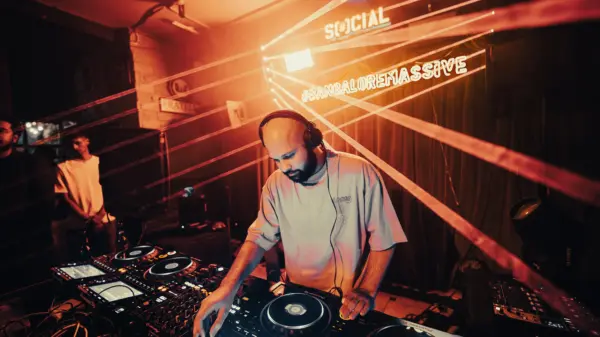
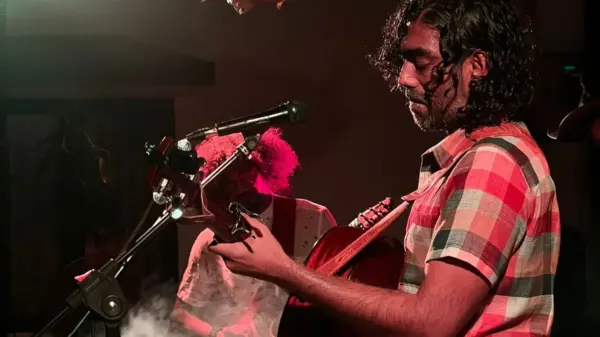
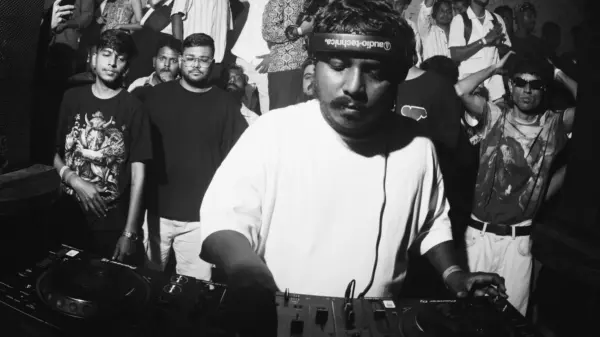
The 2026 lineup spans house, techno, ambient electronica, experimental club sounds, reggae, and live performances that blend Indian traditions with global influences. From emerging producers to seasoned artists who have quietly shaped the scene for over a decade, the curation is rooted entirely in merit.
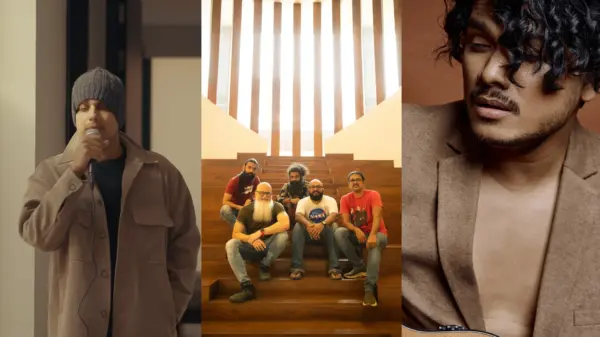
Names such as 8-Bit Culprit, Aakansha, Agni, Dreamstates, Kairavi, Neska, and Tribal Soul sit alongside international artists including Emel from the Philippines, Hearthug from Tunisia, Kahli from Sri Lanka, and Meltmode from Thailand, creating a cross-cultural dialogue that feels organic rather than curated for optics.
Special showcases, including BFR Soundsystem featuring Delhi Sultanate, Chaotic Pavilion, and House Arrest, add further layers to the programming, ensuring that discovery remains central to the experience.
Five Stages, Five States of Mind
The festival unfolds across five distinct stages, each designed with its own sonic and emotional identity.
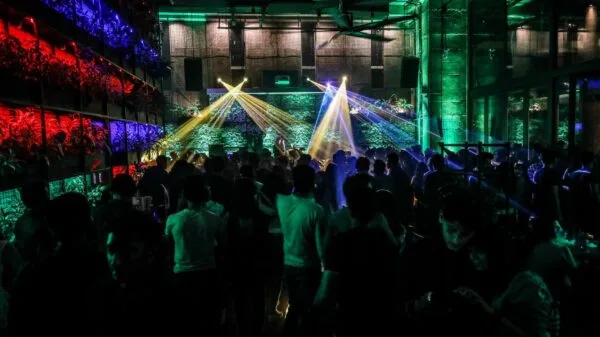
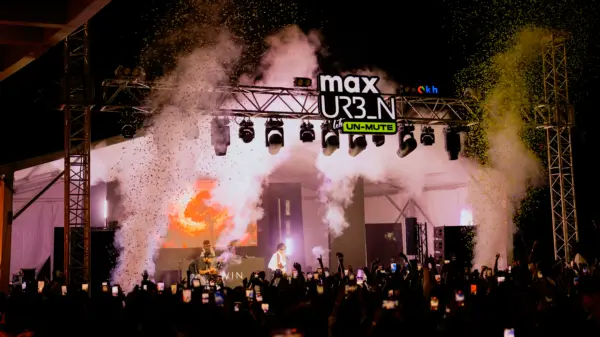
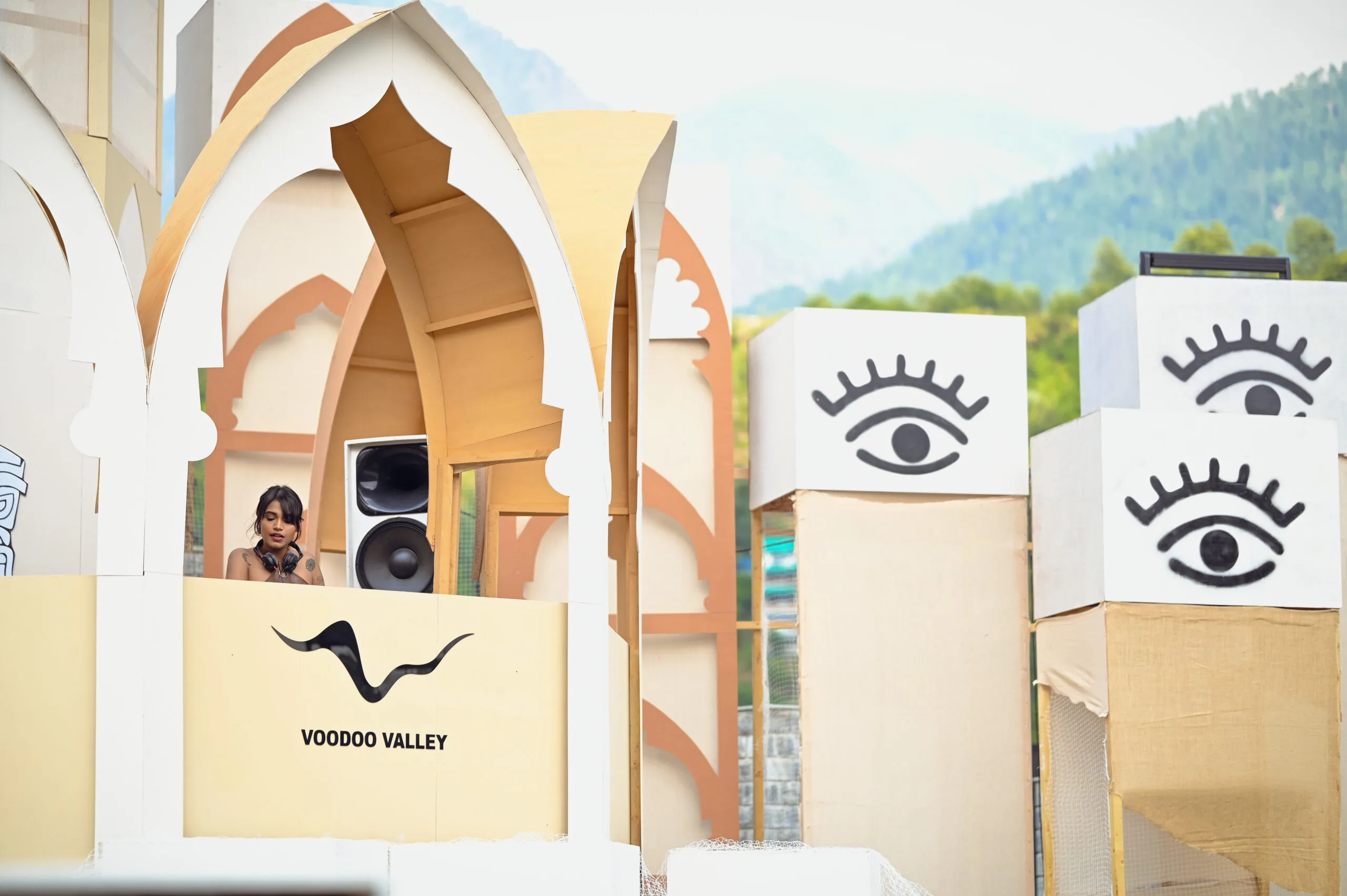
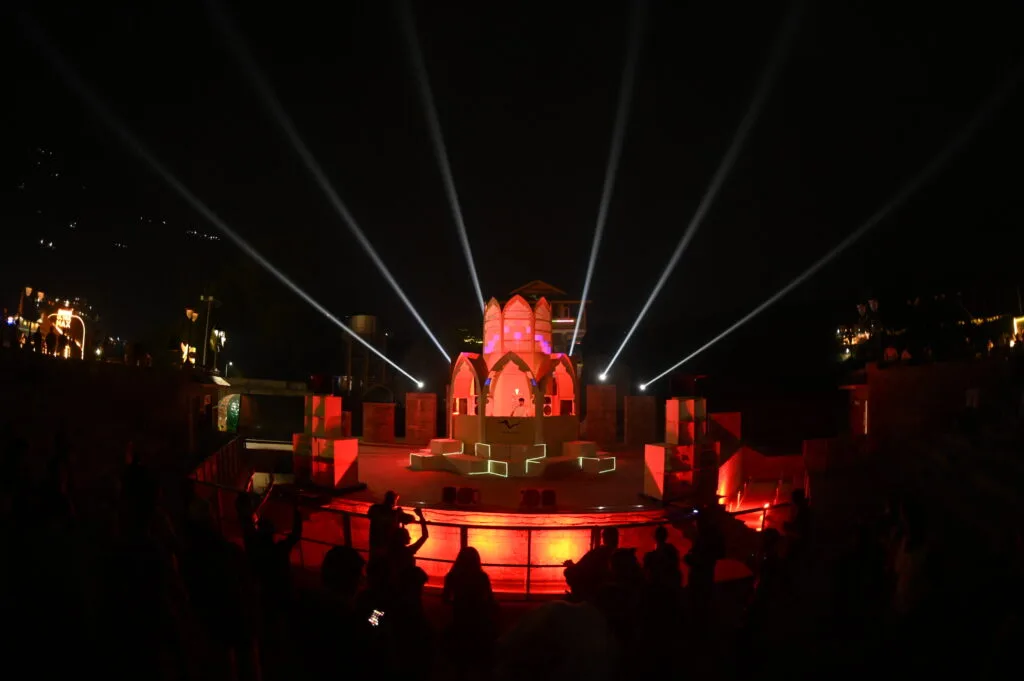
Sonic Sanctuary, set within a lotus fountain, serves as the spiritual core, immersive and expansive, enhanced through projection mapping. After Dark takes over as night deepens, offering a space for extended, high-intensity sets under the stars. Breakfast Club, the sunrise stage, closes the festival with a sense of continuity rather than conclusion, a ritual of return rather than an ending.New for 2026 is The Pulse, a stage dedicated to house, electro, and reggae, bringing a warmer, groove-driven energy to the lineup. Meanwhile, Hangout introduces a more relaxed, social dimension, positioned within the flea market zone and active during daylight hours.
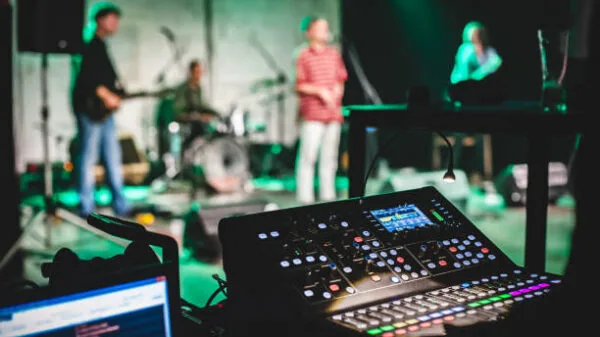
Underpinning the entire sonic experience are world-class sound systems from Reign, BFR, d&b, and Adamson, carefully selected to perform optimally in open-air, high-altitude conditions where acoustics behave differently.
Beyond Music: A Multi-Sensory Ecosystem
While music remains central, Voodoo Valley has consistently expanded its offering into a broader cultural and experiential ecosystem. The Inner Discovery wellness program, led by Karan Desai and a team of facilitators, anchors each morning with sessions in yoga, breathwork, meditation, sound healing, and Tai Chi. These are integral to the rhythm of the festival, creating space for restoration alongside stimulation.
The Conscious Collectibles Flea Market offers a platform for independent brands, artisans, and creators, reinforcing the festival’s commitment to supporting small-scale, homegrown enterprise. Workshops in pottery, painting, and craft-making invite attendees to participate rather than observe.
For those seeking a more visceral experience, paragliding opportunities open up the Himalayan sky, offering a literal shift in perspective. Evenings transition into theatrical territory with curated fire and flame performances that transform the landscape into something elemental and immersive.
Food as Cultural Narrative
At Voodoo Valley, food is positioned as a standalone experience. The “Food for Soul” initiative brings together local chefs, restaurants, and food artisans from across Himachal Pradesh, creating a culinary landscape that reflects the region’s diversity.
Live cooking stations blur the line between kitchen and performance, allowing attendees to witness the preparation process in real time. The result is a dining experience that engages all senses while simultaneously supporting local economies.
A Festival That Refuses to Be Just That
As large-scale music festivals across India increasingly chase global templates, Voodoo Valley continues to move in the opposite direction, towards specificity, locality, and intention.
It is not designed for passive consumption. It asks something of its attendees, time, presence, openness. In return, it offers an experience that is difficult to replicate, one where music is not simply heard, but felt, where nature is not observed, but inhabited, and where community is not incidental, but essential.
From 29 to 31 May 2026, in the mountains of Manali, Voodoo Valley is all set to reunite its tribe for moments that continue to resonate beyond the confines of the festival. For booking tickets, click here.