
















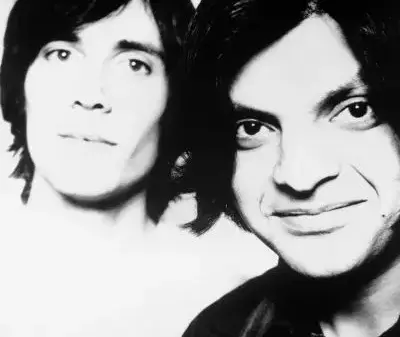

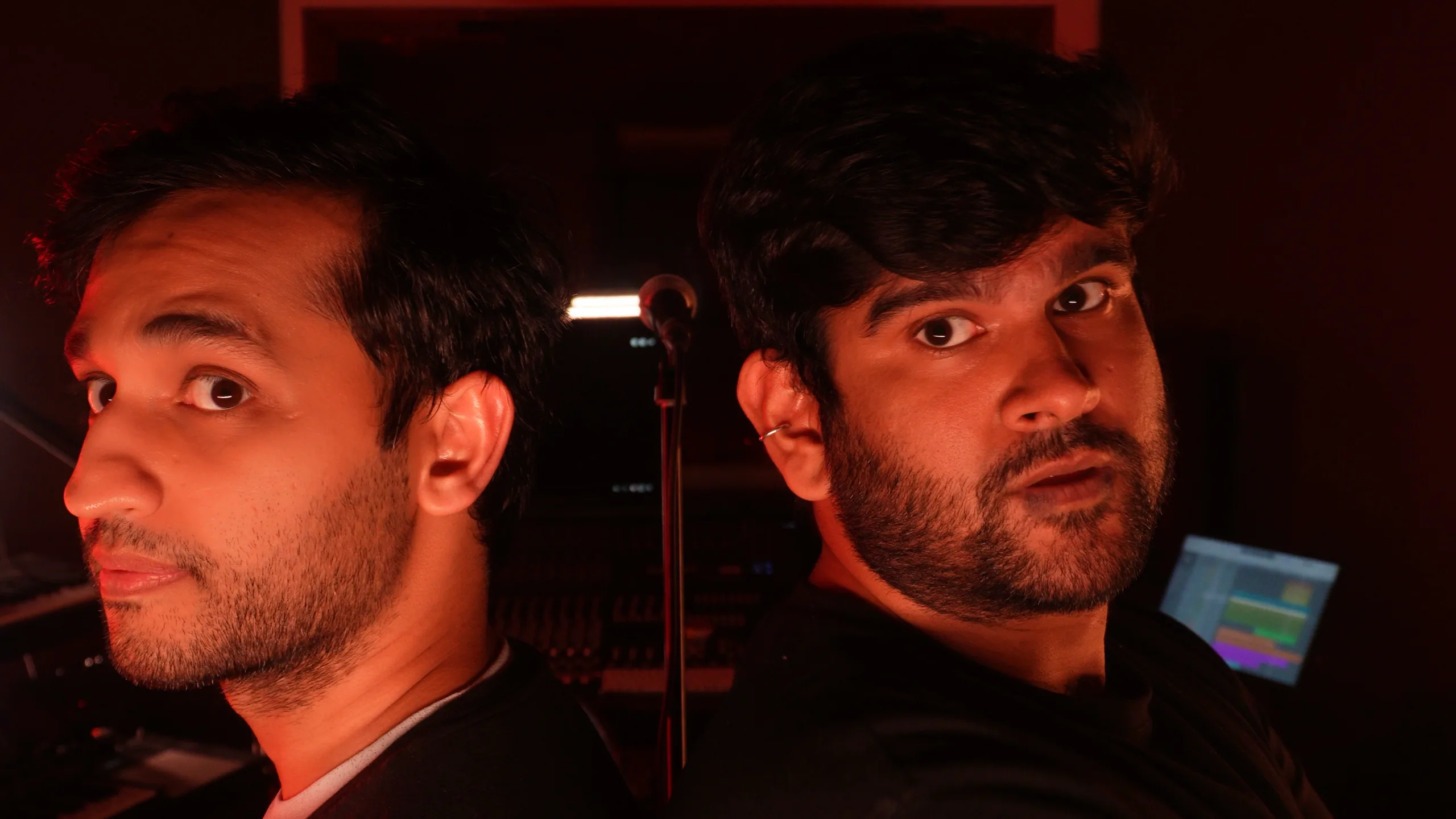

Emerging from New Delhi’s alternative rock scene, BAALAK continues to refine a sound that exists between structure and chaos. Formed by vocalist and composer Gaurav Vohra and producer, engineer, and drummer Mukund Pandey, the duo brings together two contrasting musical worlds of Western classical tradition and contemporary sound design. Their music has always embraced dissonance, minimalism, and emotional vulnerability, drawing from the grit of ’90s grunge and industrial rock while refusing to romanticise struggle. Their self-titled 2026 EP expands this philosophy, placing atmosphere above perfection and emotional honesty above technical excess. Across three tracks, BAALAK explores fractured identity, inner conflict, and eventual acceptance through evolving sonic landscapes that are as psychologically engaging as they are musically compelling.

Shift /////////
The EP establishes its identity through a rhythmically driven bass line. Rather than relying on melodic development, the harmony changes and layers of dissonance create a sensation of spiralling inward. The vocal delivery is exposed and the relentless progression mirrors the process of self-reflection: thoughts, emotions and truths gradually surface. As the arrangement grows heavier, the music begins to resemble a confession, with each added layer carrying greater emotional weight. By the climax, the previously fragmented musical ideas converge into a unified whole, suggesting resolution through acceptance. The song’s structure becomes a metaphor for becoming whole after confronting one’s fractured self.
Balance
Balance presents mellow harmonic textures supported by electronic rhythms, creating a detached emotional atmosphere before erupting into an explosive chorus that carries a sense of urgency. The composition constantly oscillates between restraint and release, mirroring the emotional conflict at its core. Under its dynamic shifts lies a meditation on anger, guilt, and the struggle to reconcile the two. The aggressive sections never feel celebratory; instead, it resembles emotional outbursts . This push and pull between vulnerability and confrontation becomes the song’s defining characteristic, portraying internal violence not as rage directed outward but as the exhausting conflict that exists within one’s own mind. BAALAK uses these structural contrasts to transform emotional instability into musical form.
esc
The closing track, esc, departs dramatically from the sonic aggression of the first two songs. Built almost entirely around a solitary piano, its understated, lo-fi aesthetic introduces an atmosphere of stillness. It conveys the quiet emotional space – a calm born not from certainty but from endurance. Gentle melodic movements create a sense of healing that seems distant yet undeniably present, as though hope exists on the horizon and not within immediate reach. The second half strips the arrangement back even further, allowing the voice to carry the narrative with conversational simplicity over sparse piano accompaniment. The near-spoken delivery is in favour of honestly and eventually feels personal to the listener. Towards the end, esc finds resolution and suggests that moving forward often begins with simply acknowledging where one stands.
Conclusion
With BAALAK, the duo demonstrates a confident understanding of emotional storytelling through sound. Rather than chasing polished arrangements or conventional hooks, the EP prioritizes atmosphere, tension, and psychological progression, allowing each composition to unfold as an emotional landscape rather than a collection of musical ideas. From the spiralling introspection of Shift, through the emotional duality of Balance, to the restrained optimism of esc, the record traces a compelling journey from fragmentation toward acceptance. BAALAK’s greatest strength lies in its willingness to embrace imperfection as an artistic language, proving that vulnerability and carefully crafted sonic aesthetics can be just as powerful as technical complexity.