


















Some albums are made in studios. Others are made on roads.
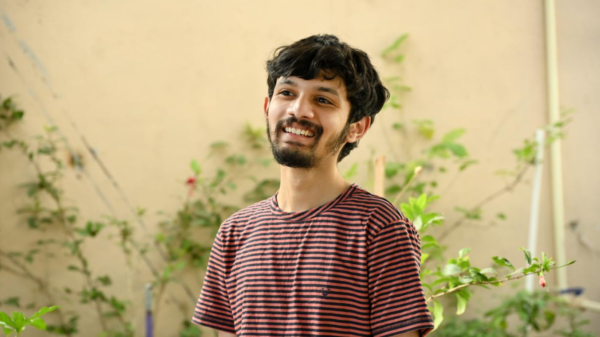
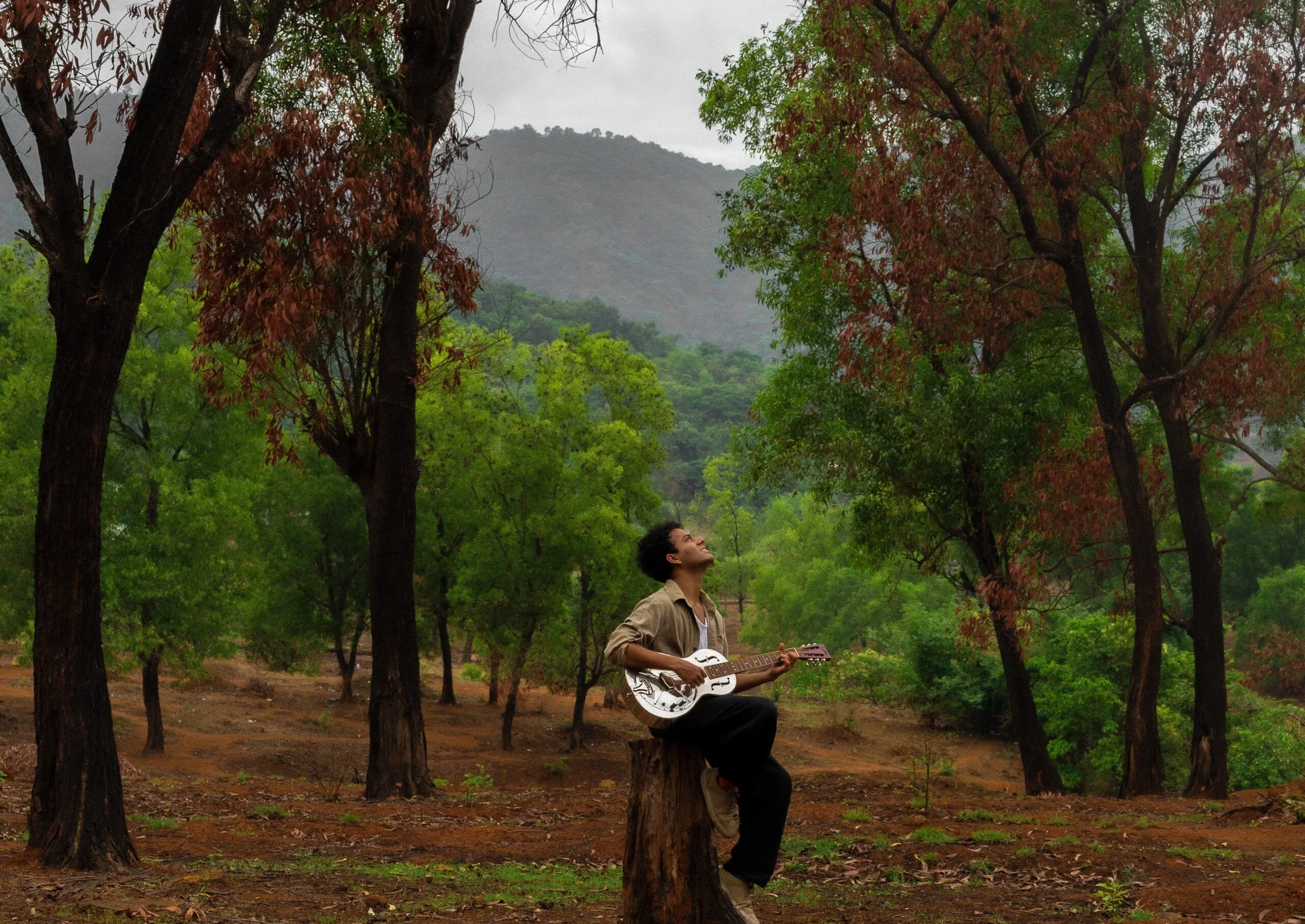
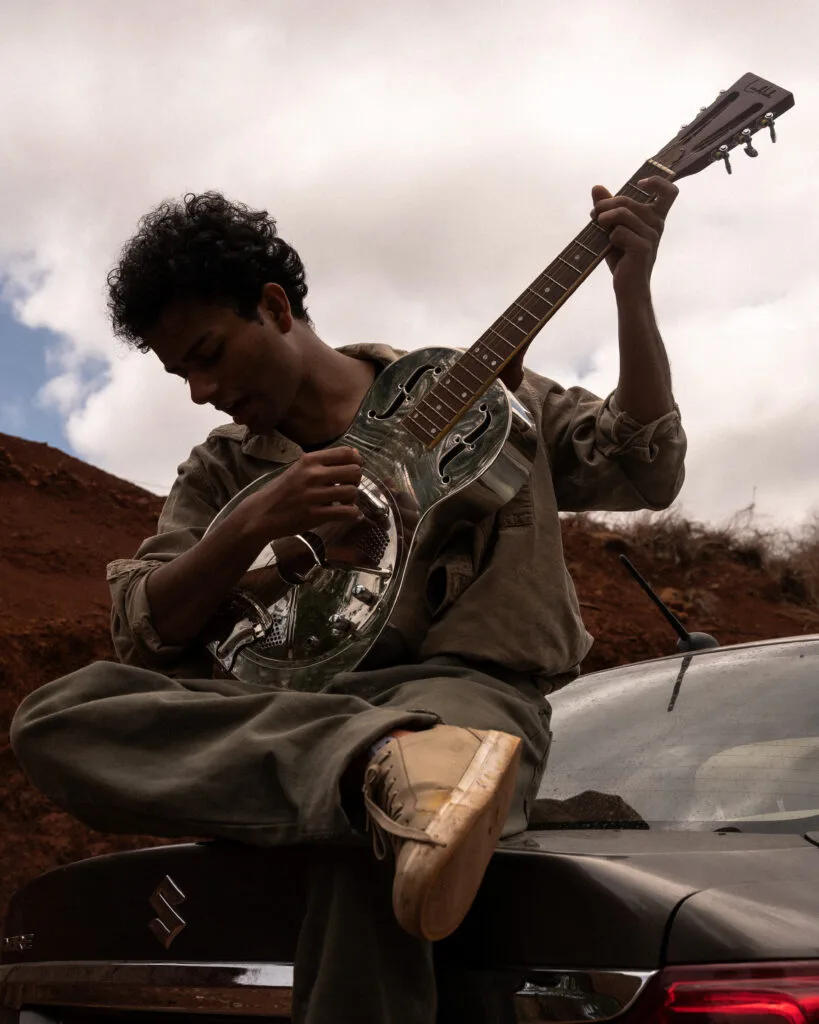
For Pune based independent singer songwriter himanshu, Land of the Free feels like a collection of moments gathered over years rather than songs written all at once. Written across countless train rides, unfamiliar cities, cafés, bookstores, and small venues, the EP reflects a life spent moving while trying to make sense of change.
After losing his mother, music became more than something he performed. It became a way of holding on, processing grief, and finding comfort in the people and places he encountered along the way. Those years of travelling across the country, playing more than 800 shows, slowly shaped the songs that would become Land of the Free. You can hear that journey in every track.
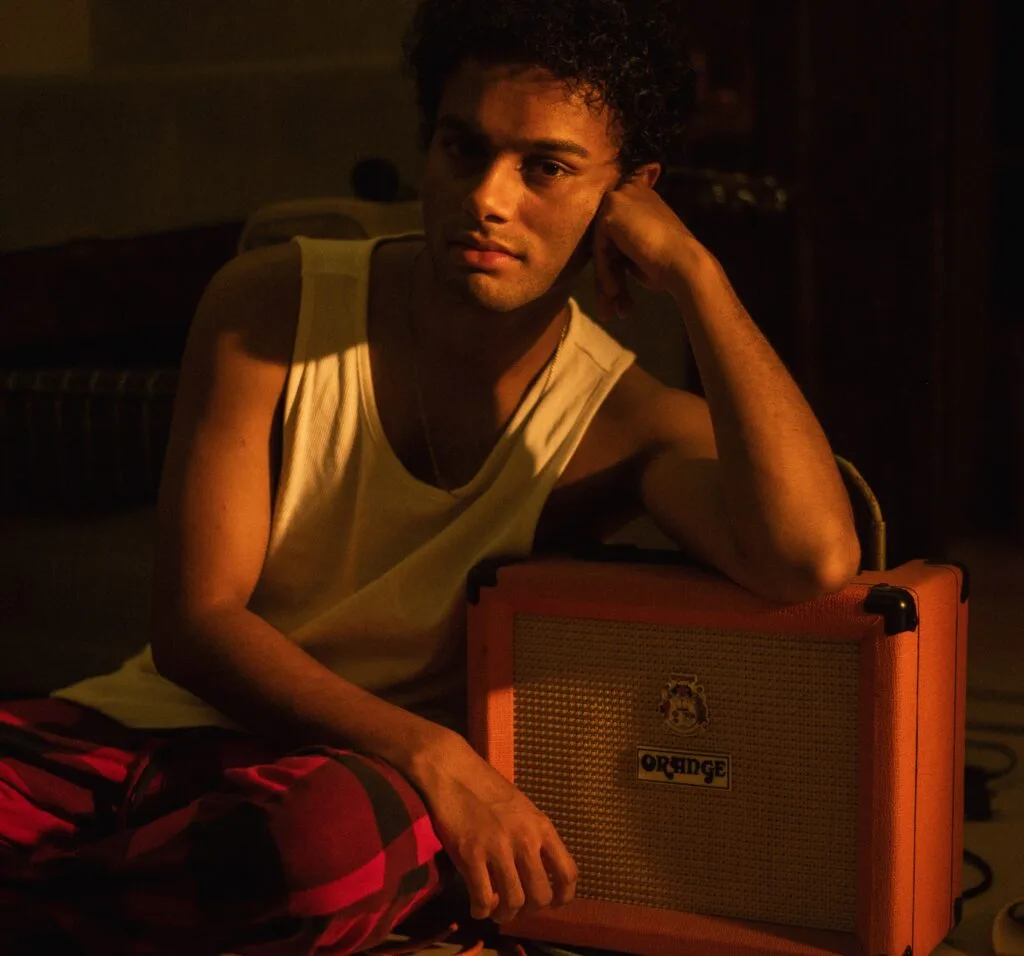
These experiences shape the EP in subtle ways. While loss remains an important part of its story, the songs are just as much about the people he met, the places he passed through, and the moments that stayed with him long after he had moved on.
Himanshu’s songwriting is at its strongest when it stays simple. There is no attempt to over explain or dramatize emotion. Instead, each song captures a feeling or a memory with quiet honesty, allowing listeners to find their own meaning in the stories being told.
Across five tracks, Land of the Free moves through themes of love, memory, grief, hope, and belonging. It is an EP that reflects on the past without becoming trapped by it, finding beauty in ordinary moments and the experiences that shape us over time.
Land of the Free
The title track opens the record with little more than an acoustic guitar, sparse percussion, and a voice searching for certainty where there is none. It feels intimate from the very first line, as though the listener has walked into the middle of a late night conversation.
At its heart, Land of the Free is not really about a country or a destination. It is about emotional freedom. The repeated line, “I know that we do not have a plan,” becomes less an admission of uncertainty and more an acceptance of it. The “land of the free” is a place where two people allow themselves to exist without expectations or promises.
The recurring request to “just stay” carries the quiet desperation of someone who understands that moments are temporary. Even when the future remains unknown, there is comfort in choosing presence over certainty. The song captures the beauty of relationships that survive not because they have guarantees, but because people decide to hold each other’s hand anyway.
Its minimal production reflects that emotional honesty. Nothing distracts from the vulnerability of the writing.
Favourite Restaurant
If the opening track explores the uncertainty of love, Favourite Restaurant examines what remains after someone has gone.
The title itself becomes a metaphor. Instead of directly saying “I miss you,” the narrator says, “I miss your favourite restaurant.” It is a striking example of how grief often hides itself inside ordinary places. A restaurant, a mountain, an old bed, favourite songs. Everyday spaces become containers for memory.
The lyrics move between nostalgia and acceptance. There is an awareness that both people have already paid the emotional cost of the relationship, yet the memories continue to linger. The line about waking up “in pieces” captures how grief often returns unexpectedly, long after we think we have moved on.
Rather than becoming melodramatic, the song remains remarkably restrained. It understands that love rarely disappears all at once. Sometimes it survives quietly in familiar streets, shared routines, and places we hesitate to revisit because they remind us of someone who is no longer there.
Evelyn
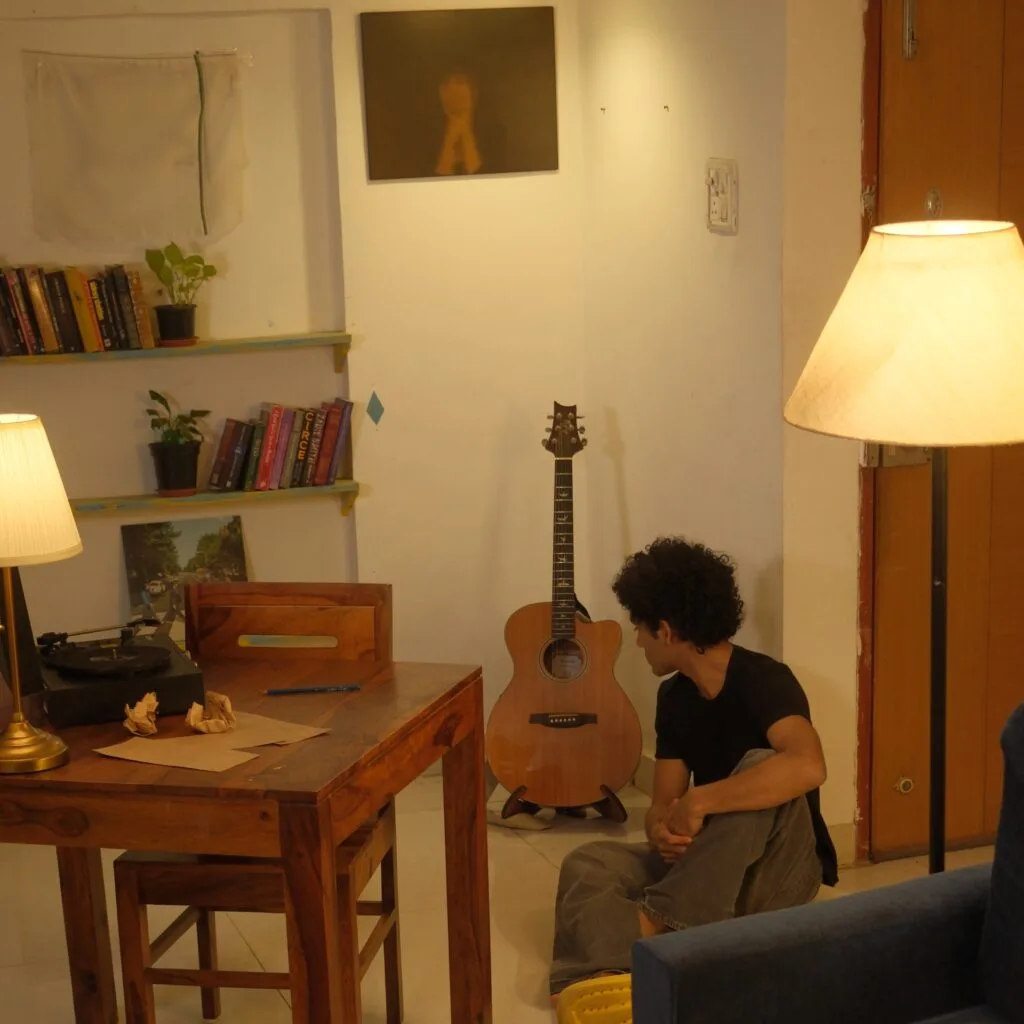
Musically, Evelyn marks the emotional and sonic turning point of the EP. While the earlier tracks remain rooted in sparse acoustic arrangements, this song gradually blossoms into something much larger. Beautiful string arrangements and fuller instrumentation give it a sense of movement and release, allowing himanshu to reveal another side of his musical identity.
Lyrically, Evelyn feels like a conversation between two people who see the world differently. One voice questions, doubts, and searches for direction. The other seems content simply existing in the present.
The repeated invitation to “stay” takes on a different meaning here. It is no longer just about asking someone not to leave physically. It becomes an invitation to remain emotionally present despite confusion and uncertainty.
The song also explores the tension between realism and idealism. References to fairy tales and confusion suggest someone struggling to believe in hope while secretly wanting to. By the end, however, the uncertainty softens into commitment. “I will stay with you” feels less like romantic certainty and more like a conscious choice to remain despite life’s unpredictability.
Why Will I Go Carolina?
The most playful song on the EP also happens to be one of its sharpest.
With its relaxed arrangement and conversational lyrics, Why Will I Go Carolina? begins almost like a joke between friends. The narrator casually references Carolina, London, Venice, Paris, and Canada, only to conclude that heartbreak follows no matter where you go.
Travel, which often symbolizes escape, becomes meaningless here. There is no point flying across continents when the sadness already lives inside you. Whether it is Pune or Paris, grief arrives at the same destination.
The humour scattered throughout the song keeps it from becoming overly heavy. There is wit, sarcasm, and even moments of self awareness, making it feel like someone trying to laugh through heartbreak. It captures the strange way people often process pain by turning it into stories that are funny only because they hurt.
When the Water Was Sweet
The EP closes not with romance but with memory.
When the Water Was Sweet shifts its attention toward childhood, family, and the places that shape us long before we understand their significance. The title itself carries deep nostalgia. Sweet water is not simply about taste but about a time in life when the world felt uncomplicated.
The song remembers grandparents, rainy days, paper boats, old homes, and simple routines that quietly disappear with time. Rather than mourning these memories, himanshu reflects on them with warmth. They become reminders that home is something carried within us rather than something fixed to a location.
There is also an underlying awareness of time passing. The narrator wonders whether he will continue moving forward or continue holding onto memories that shaped him. It is an honest question without a definitive answer, making it a fitting conclusion to an EP built around movement, loss, and belonging.
By ending on family rather than romance, the record broadens its emotional landscape. It reminds listeners that the people who first taught us love continue to shape how we understand it later in life.
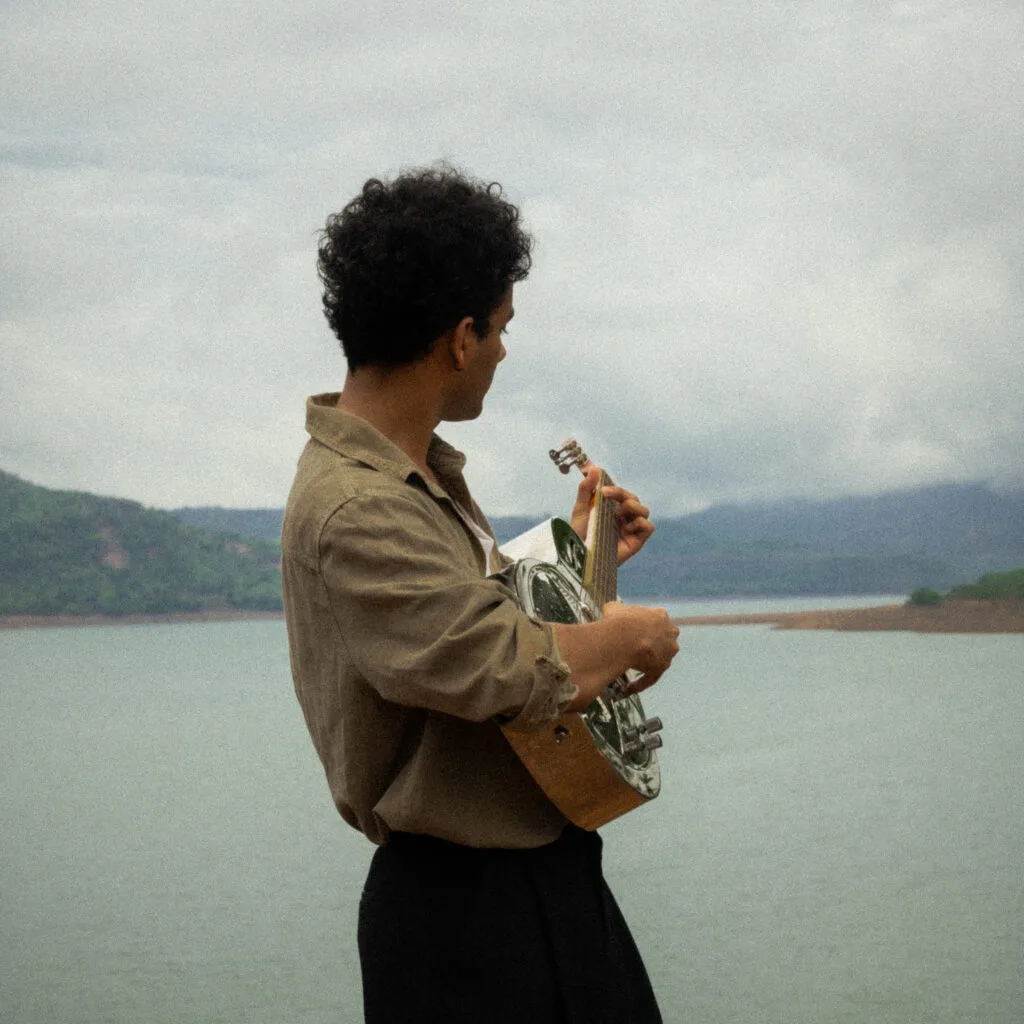
Every song feels connected by the same underlying question: where does home exist after loss?
Sometimes the answer is another person. Sometimes it is a memory. Sometimes it is a city passed through during years of travelling. Sometimes it is simply the courage to keep moving.
For an artist who spent years writing these songs while performing across India, Land of the Free feels less like a debut and more like the conclusion of one journey and the beginning of another. It invites listeners into deeply personal moments, but leaves enough space for them to find their own stories inside the music.
That is perhaps the greatest achievement of the EP. It never tells us exactly what to feel. Instead, it reminds us that the search for belonging is something we all understand.