
















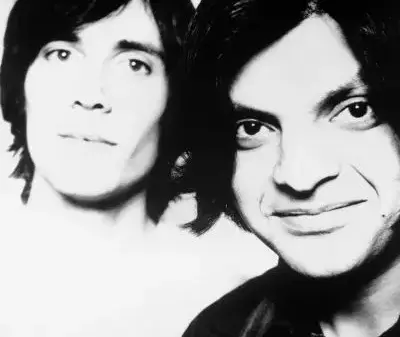




For decades, Uday Benegal has been synonymous with Indian rock. As the frontman of Indus Creed and one of the pioneers of India’s independent music movement, he spent years commanding festival stages, arena crowds, and generations of rock fans. From his early days with Rock Machine to the resurgence of Indus Creed and the success of Evolve, Uday’s career has been defined by powerful guitars, ambitious songwriting, and a restless creative spirit.
But HUMAN BE, his first solo EP, reveals a different side of the musician. This is not the voice of a rock star looking outward. It is the voice of a human being looking inward. Produced by Aria Nanji and featuring some of India’s finest independent musicians, HUMAN BE is built around a simple yet increasingly radical idea: kindness. Across five songs, Uday explores compassion, love, forgiveness, self-awareness, and emotional honesty. The result is what he describes as “peacecore,” music rooted in the heart rather than volume, reflection rather than spectacle.
In a world that often rewards outrage, HUMAN BE chooses gentleness.
Be Kind: The Mission Statement
The EP opens with “Be Kind,” a forty-second acappella piece that feels less like a song and more like an invocation. Layer upon layer of voices enter, creating a sense of collective humanity. There are no instruments to distract from the message. The words are repeated like a mantra:
“Human being, be gentle, humankind be kind.”
Repetition is important because it reflects how wisdom traditions often use simple phrases to inspire reflection. There is no need for complexity in this context. The song serves as a summary of everything that follows. Before the album explores themes of love, loss, heartbreak, or healing, it sets a foundation: kindness begins with gentleness, both towards others and towards ourselves.

Human Be: Choosing Heart Over Noise
The title track expands the central idea of the EP into something larger and more personal. Beginning with a solitary piano before gradually opening into a full band arrangement, the song feels like a journey from introspection to action. Musically, it grows with purpose. Every instrument seems to arrive at the exact moment the message needs greater weight.
Lyrically, the song reads like a series of reminders that many of us desperately need:
“Go easy, love simple, place your heart above your mind.”
This is not an argument against thinking. Instead, it is a reminder that endless analysis can sometimes pull us away from empathy, intuition, and connection. One of the most striking images appears when Uday sings about the child who resides inside us. The song suggests that beneath adulthood, responsibilities, and emotional armour, there remains a vulnerable self that deserves care. The recurring question, “Are you looking for a sign?” feels particularly meaningful. Many people spend their lives searching outside themselves for answers, validation, or purpose. The song suggests that what we seek may already exist within us in the form of grace, compassion, and self-awareness.
The closing chorus transforms this idea into a call for action:
“Human be the change you’re looking for.”
Rather than waiting for the world to improve, the song encourages us to embody the values we wish to see around us. The lighthouse imagery reinforces this beautifully. A lighthouse does not chase ships. It simply shines. The message seems to be that kindness can work the same way.
Afar: Love Beyond Distance
If the first two songs focus on humanity as a whole, “Afar” narrows its gaze toward intimate love. Musically, it carries echoes of the soft rock sound that defined much of the 1990s. There are traces of the emotional openness that characterised many of Uday’s earlier songwriting instincts, making the track feel like a bridge between his past and present.
At first glance, the song appears to be about physical separation. Two people who once shared a deeply meaningful connection are now divided by circumstances beyond their control. The lyric “Till they built a wall between you and me” is particularly interesting because it can be interpreted in multiple ways. The wall could be literal distance. It could be societal expectations. It could be time, circumstance, or emotional barriers. The ambiguity allows listeners to bring their own experiences into the song.
The song suggests that genuine connection exists beyond geography. Love becomes less about possession and more about appreciation. It becomes something expansive rather than restrictive. In that sense, “Afar” is not a song about losing someone. It is a song about learning how to continue loving them.

Man Overboard: When Two People Lose the Same Horizon
The emotional mood shifts dramatically with “Man Overboard.”
Built around a memorable guitar riff and rich nautical imagery, the song explores the collapse of a relationship with remarkable maturity. Rather than assigning blame, it examines how two people can gradually drift apart without fully understanding how it happened. The recurring imagery of storms, ships, stars, and navigation creates a powerful metaphor for relationships. Early in the song, there is a sense that danger was present long before anyone acknowledged it.
One of the strongest lyrical moments comes when Uday sings:
“The lodestar you were looking at was not the same as mine.”
A lodestar is a guiding star. In relationships, it represents direction, purpose, and values. The lyric suggests that the relationship did not fail because of a lack of love, but because both people eventually began moving toward different destinations. Even after the ship has run aground, the narrator’s concern remains with the other person’s well-being. That sentiment transforms the song from a breakup anthem into something more compassionate. The narrator mourns the relationship, but he does not wish harm on the person who left.
The repeated closing lines create a fascinating tension between permanence and impermanence:
“Everything was meant to last. Everything was meant to go.”
The contradiction reflects a difficult truth about relationships. We enter them hoping they will last forever, yet many eventually become part of our past. The song seems to suggest that even endings can carry meaning.
Fireflies: Holding On to the Light
The EP closes with an acoustic reimagining of “Fireflies,” one of Indus Creed’s most beloved songs. Stripped of its rock arrangement, the song feels more intimate than ever. The acoustic guitars create the atmosphere of a late-night gathering, where memories linger in the glow of fading light. Throughout the song, fireflies become symbols of fleeting beauty. They represent moments of joy, innocence, and connection that shine brightly even when darkness begins to gather.
The opening verses are filled with nostalgia. There is a sense of looking back at a time when life felt limitless and uncomplicated. Yet the song never becomes sentimental. It acknowledges that consequences arrive, circumstances change, and relationships sometimes fracture.
Yet despite the pain, the narrator cannot look away from the memories.
“I just can’t look away from those fireflies.”
This is what makes the song so moving. The fireflies are not simply memories. They are reminders that beauty existed, even if it could not last forever. The later verses explore grief with remarkable honesty. There is hurt, blame, confusion, and regret. Yet beneath all of it remains a refusal to erase the past. The song ultimately recognises something many people discover after loss: memories can hurt, but they can also illuminate.
The fireflies continue glowing long after the darkness arrives.
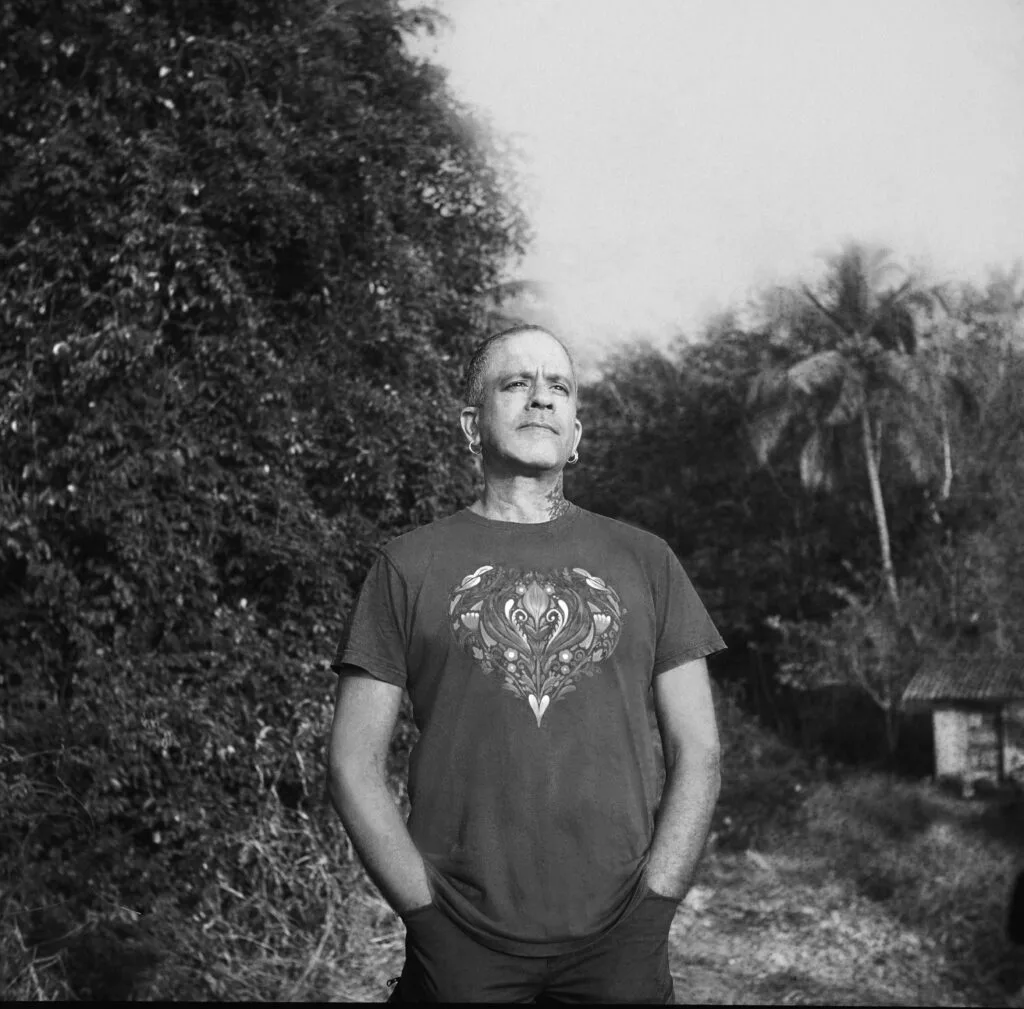
What makes HUMAN BE remarkable is not simply its sound. It is its intention.
At a time when much of popular culture is driven by speed, spectacle, and division, Uday Benegal has created a collection of songs that asks listeners to slow down and reconnect with their humanity. Whether he is singing about self-compassion, enduring love, heartbreak, or memory, every song circles back to the same central idea.
Kindness matters.
Not as a slogan. Not as a trend. But as a way of being.
For listeners who know Uday primarily as a rock icon, HUMAN BE may feel surprising. Yet in many ways, it represents the natural evolution of a songwriter who has spent decades exploring what it means to be human.