

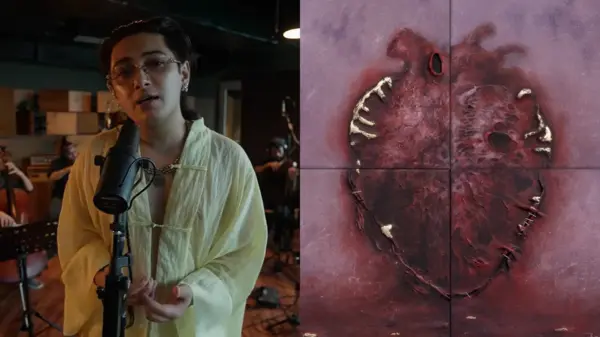
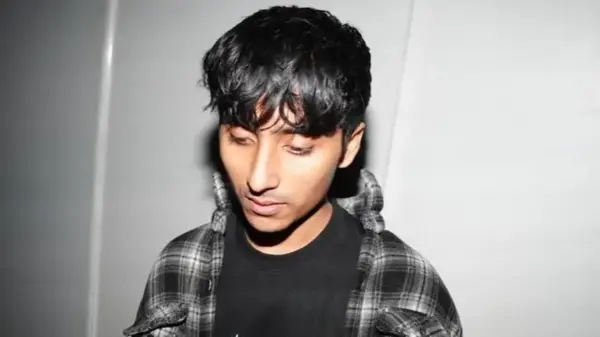
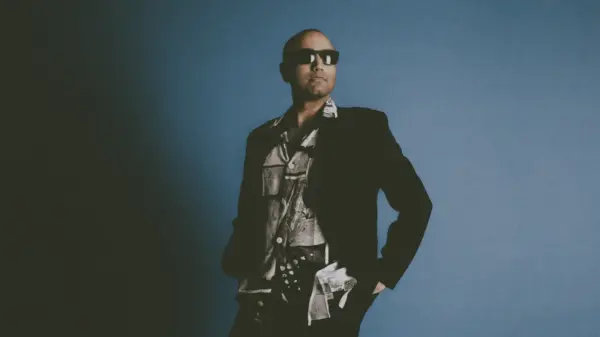
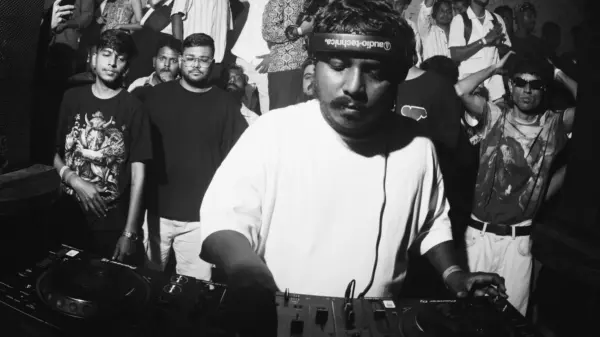

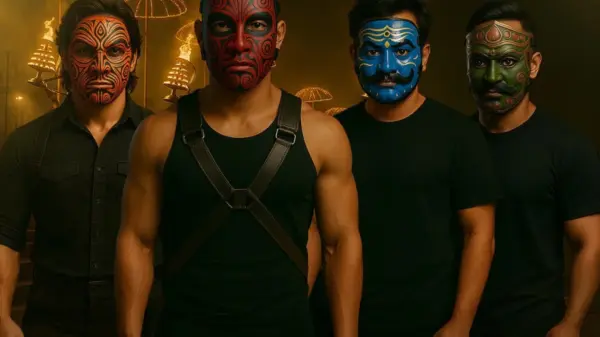
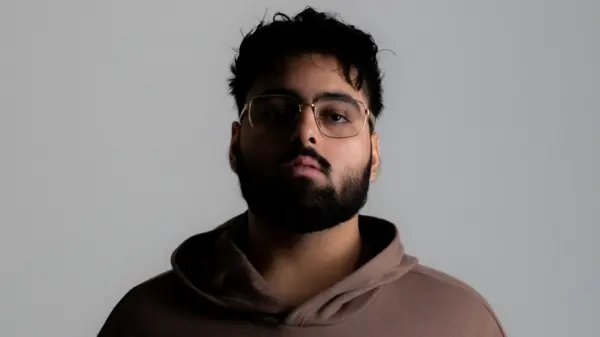
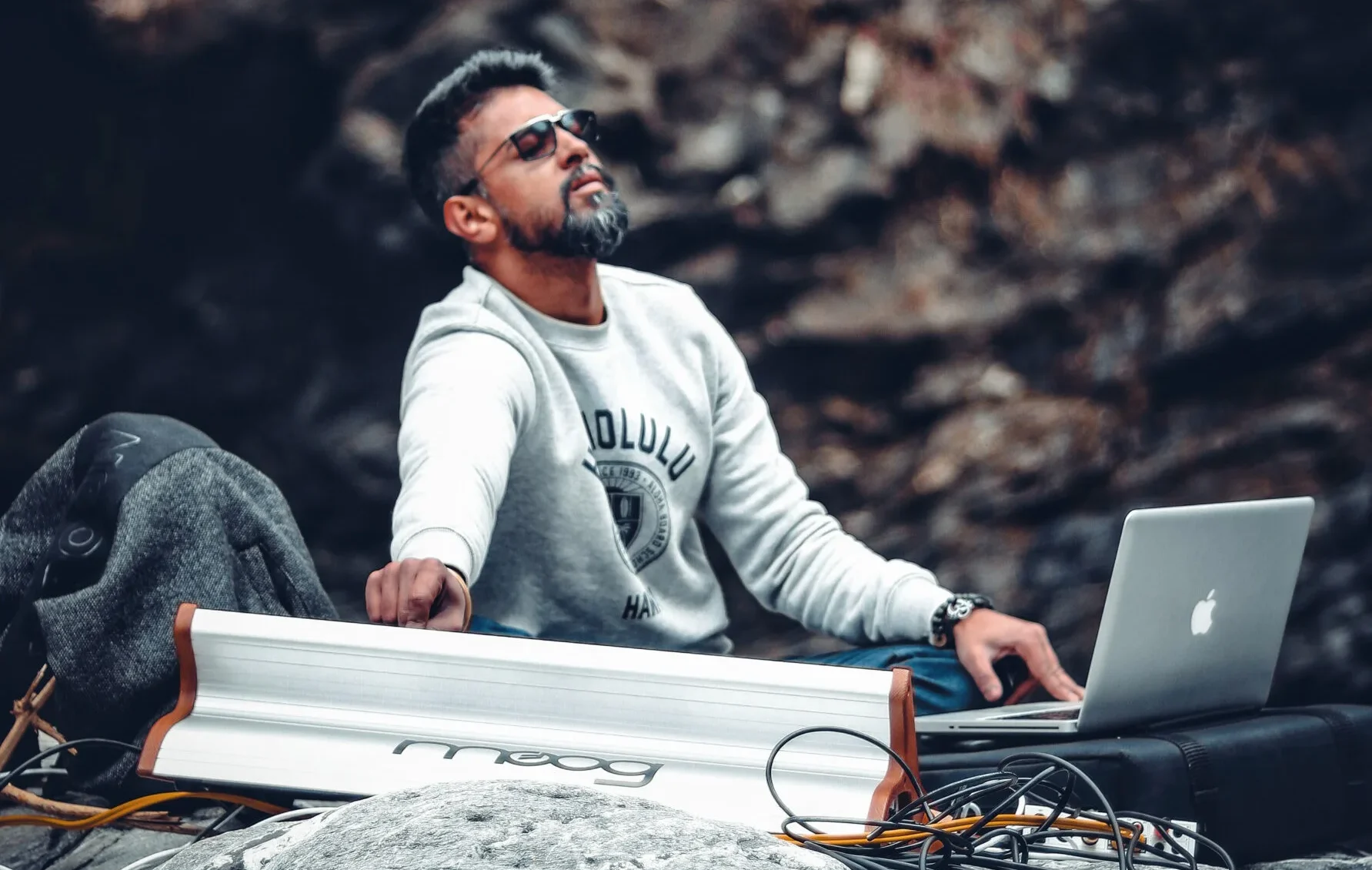

As independent music continues to give an ever-evolving platform to cross-genre experimentation, artists like Albela are redefining what music can convey. By integrating deep-rooted ethnic elements with melodic electronic music, he has created a style that feels both classic and contemporary. With his new release Mora Ghar officially out, we spoke with the artist to discuss the story and vision behind his music.
1. What is the “Albela” origin story? Also how did you realise that music was the path you wanted to follow?
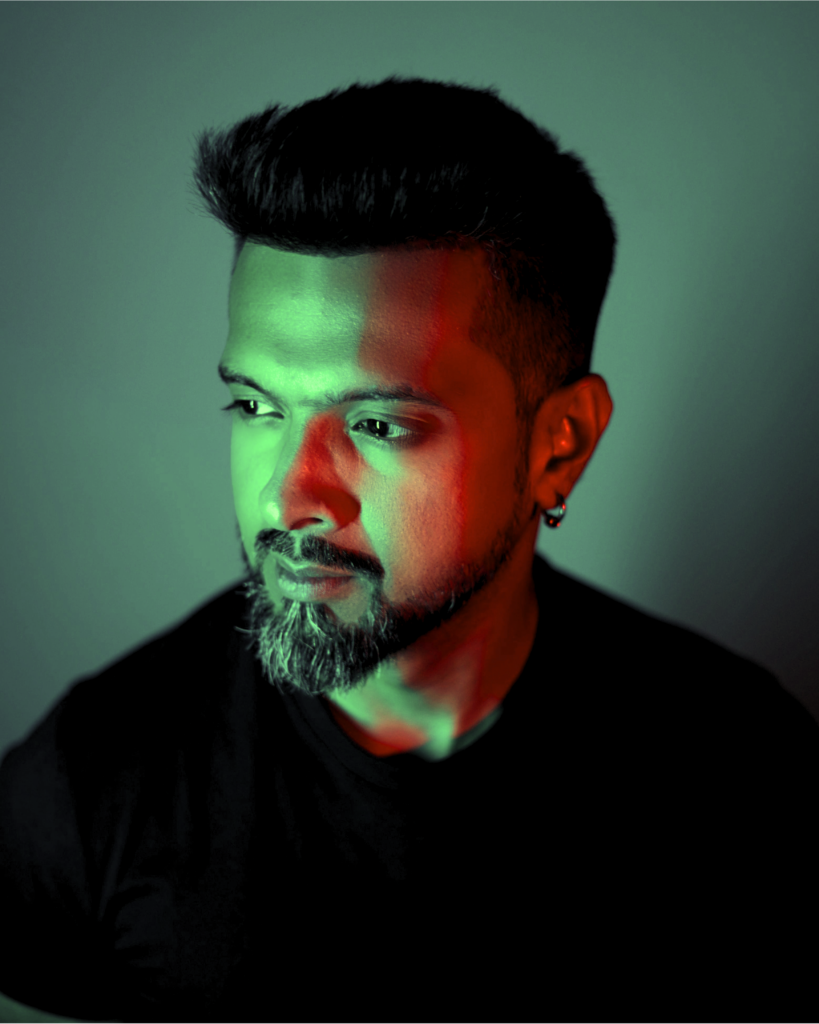
Music was always something that resonated with me from a very early age. I was naturally drawn towards ideas like vibrations, frequencies, and energy, so my mind was already inclined in that direction. Over time, there was a phase where I spent a lot of time in silence, observing, without really trying to create anything. That’s where Albela started to take shape. Music became less about making tracks and more about expressing what I was experiencing internally. I didn’t consciously decide that music was the path, it revealed itself gradually, and Albela evolved through that process.
2. You’ve chosen to blend Indian elements with modern electronic music. What made you realise these two worlds belonged together in your work?
It was a conscious decision, but not from a place of trying to define an identity. Ethnic and spiritual sounds have always been around me, and electronic music became a natural medium of expression over time. At some point, it stopped feeling like two separate worlds and more like a single flow. The idea was never to create a fusion, but to allow whatever feels true in the moment to come through, without forcing a direction.
3. You’ve called Mora Ghar a “complete narrative experience.” What approach did you take while working on its production?
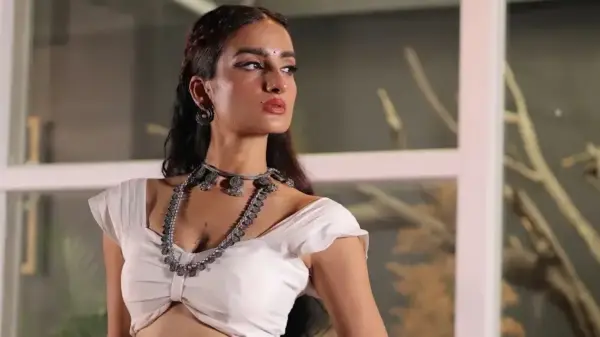
For me, it was very simple. It comes from the understanding that nothing is permanent, everything changes, everything moves, and at some point, everything leaves. The feeling of longing in the track begins from that space, but instead of staying there, it slowly shifts into acceptance and a sense of coming back within. That’s why both the music and the video were important, together they express that journey from holding on to letting go.
The video, directed by Bhavuk Wadhwa, played an equally important role in translating that emotional journey into a visual form. In the end, it reflects the idea that what you’re searching for outside…eventually brings you back to yourself.
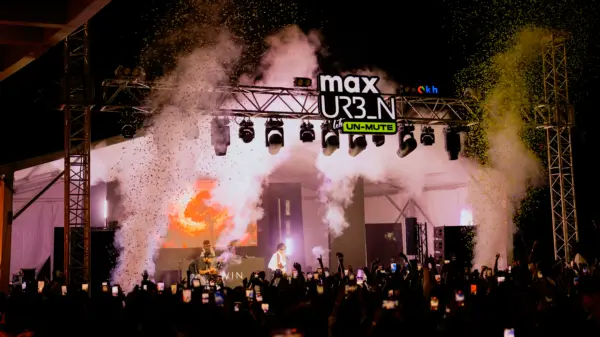
4. How do you feel the Indian audience’s appetite for introspective, narrative-driven electronic music is changing? Are we moving away from the “club-only” mindset?
It’s definitely shifting. For a long time, electronic music in India was primarily experienced in clubs, which naturally shaped the kind of music that was being consumed. But now, listeners are becoming more open to sitting with music, not just dancing to it. There is space for emotion, for storytelling, for something more internal.
With Mora Ghar, the intention was not to choose one over the other, but to bring both together. It carries a narrative and a deeper listening experience, while still holding the energy and drive of the dancefloor. I think that’s where things are heading. The dancefloor and the introspective space don’t have to be separate, they can exist within the same piece of music, just experienced in different ways.
5. Can you tell us about your initiatives – Nasana Culture and Rewire Music Academy and the vision behind them?
Both come from a similar place. Rewire Music Academy, as an Official Ableton India Education Partner, is focused on guiding artists beyond just software or technique, helping them develop their own sound and direction with more clarity.
Nasana Culture extends that vision on the release side, creating space for music that feels more intentional and rooted in expression, while RMA Records supports emerging artists in developing and releasing their work professionally.
The overall idea has always been to build something that goes beyond just making or releasing music and focuses more on awareness, direction, and growth.
6. What are the three most used tools in your studio right now?
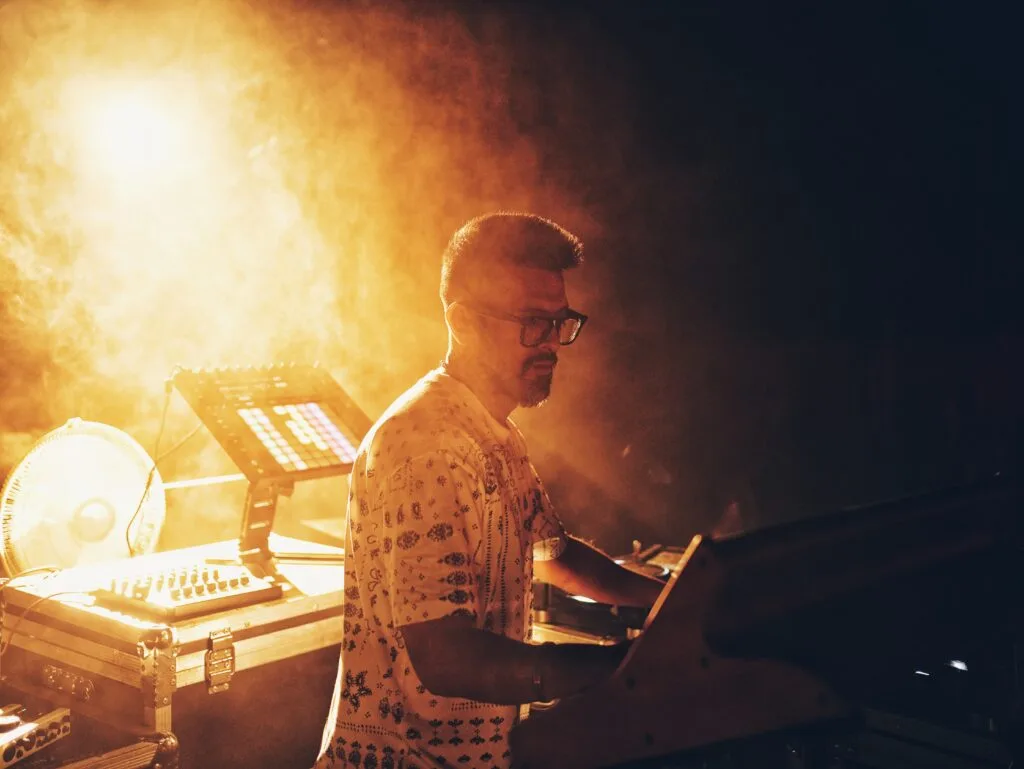
Ableton Live is the core of everything. Beyond that, I rely a lot on simple tools rather than complex setups. A good synth can be a plugin like Diva or Serum or an analog synth like Subsequent 37 for textures, clean monitoring, and a workflow that allows me to stay in the idea without interruption.
For me, it’s less about the tools and more about how quickly I can translate a feeling into sound.
7. After the release of Mora Ghar, is there any new project on your radar?
Right now, the focus is on letting this release reach where it needs to. Mora Ghar has been an important step, especially with the way the audio and visual have come together, and it’s released via Cafe De Anatolia.
At the same time, there is always new music in progress. The direction remains similar, exploring sound as a medium of experience rather than just output.
You can keep an eye on my page, there’s more music on the way.
8. What would be your advice to aspiring artists making electronic music?
There will be a lot of rejection. A lot of no responses. A lot of moments where things don’t move the way you expect them to. That’s part of the process. Over time, you realise that the journey is not defined by one big breakthrough, but by many small moments where things start aligning.
At the same time, it’s important to disconnect from the results. You focus on the work, on showing up, on creating honestly. What happens after that is not always in your control. If it connects, it connects. If it doesn’t, that’s also fine. The only thing that matters is that what you’re creating is real to you.