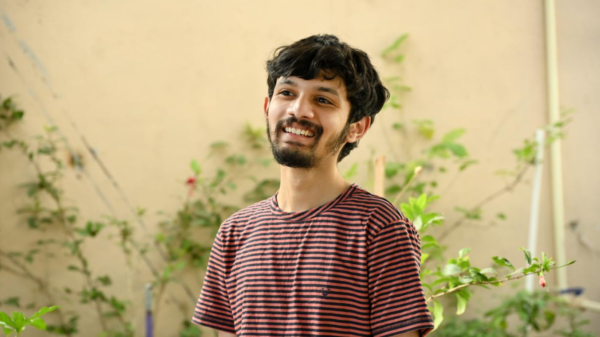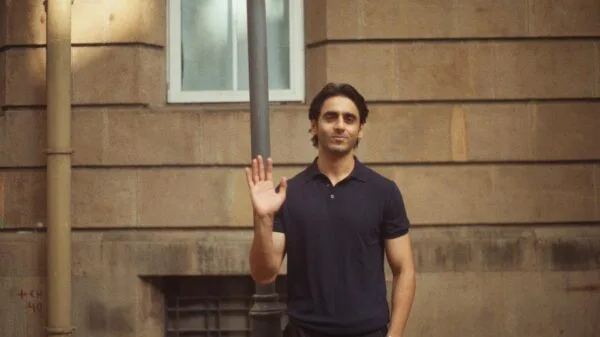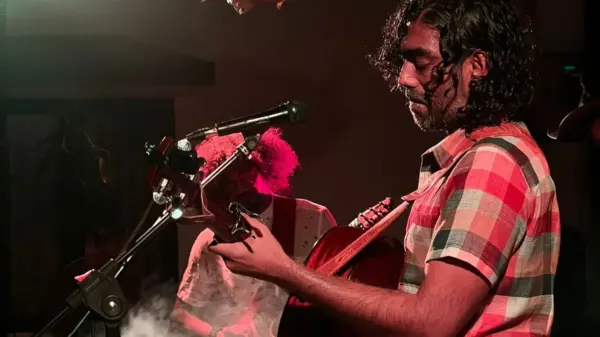



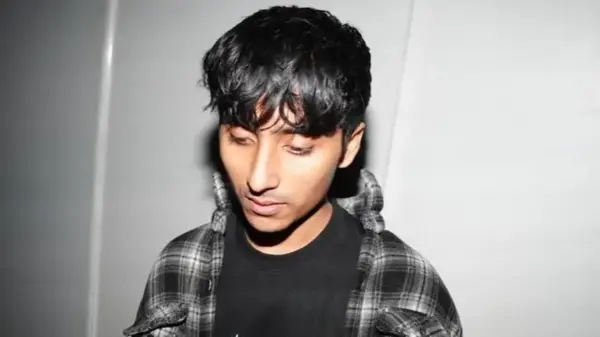
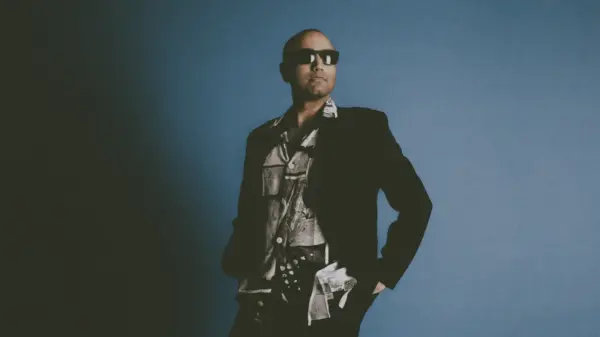
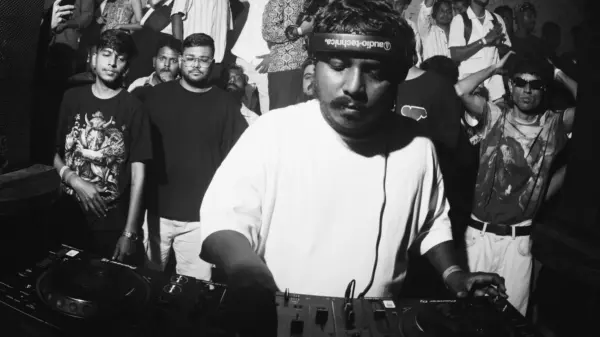
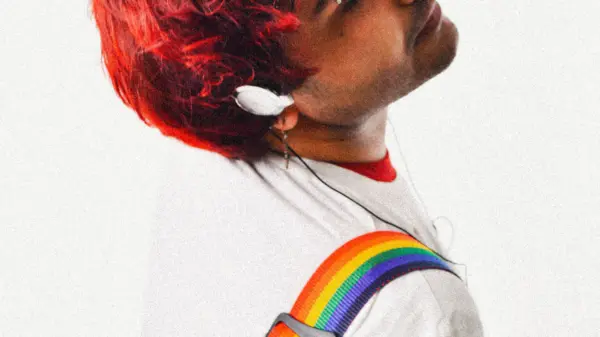
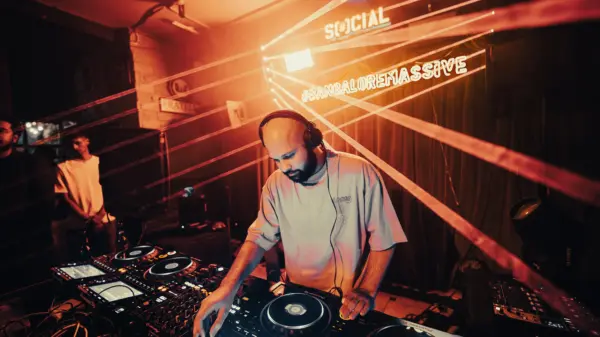


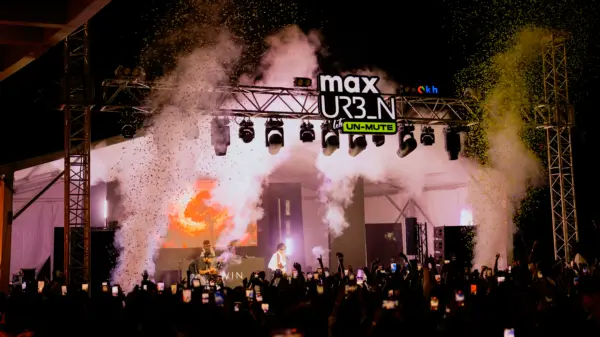
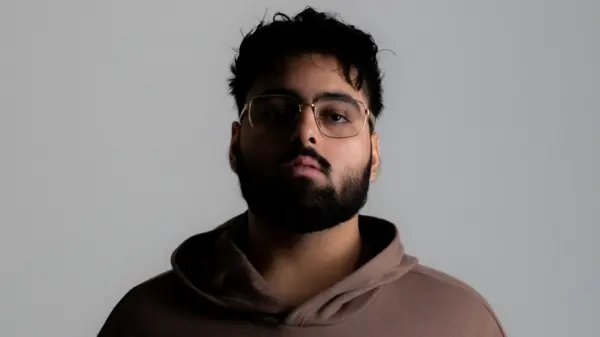
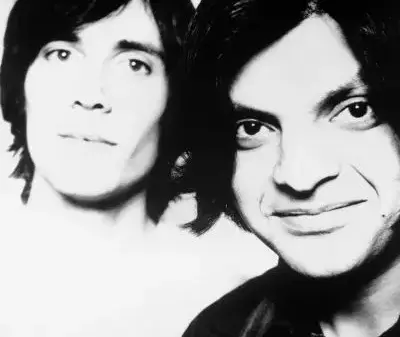
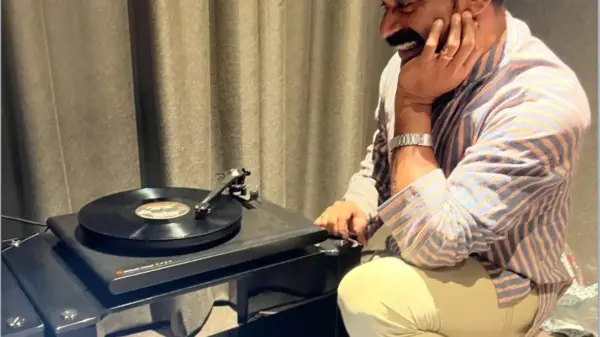

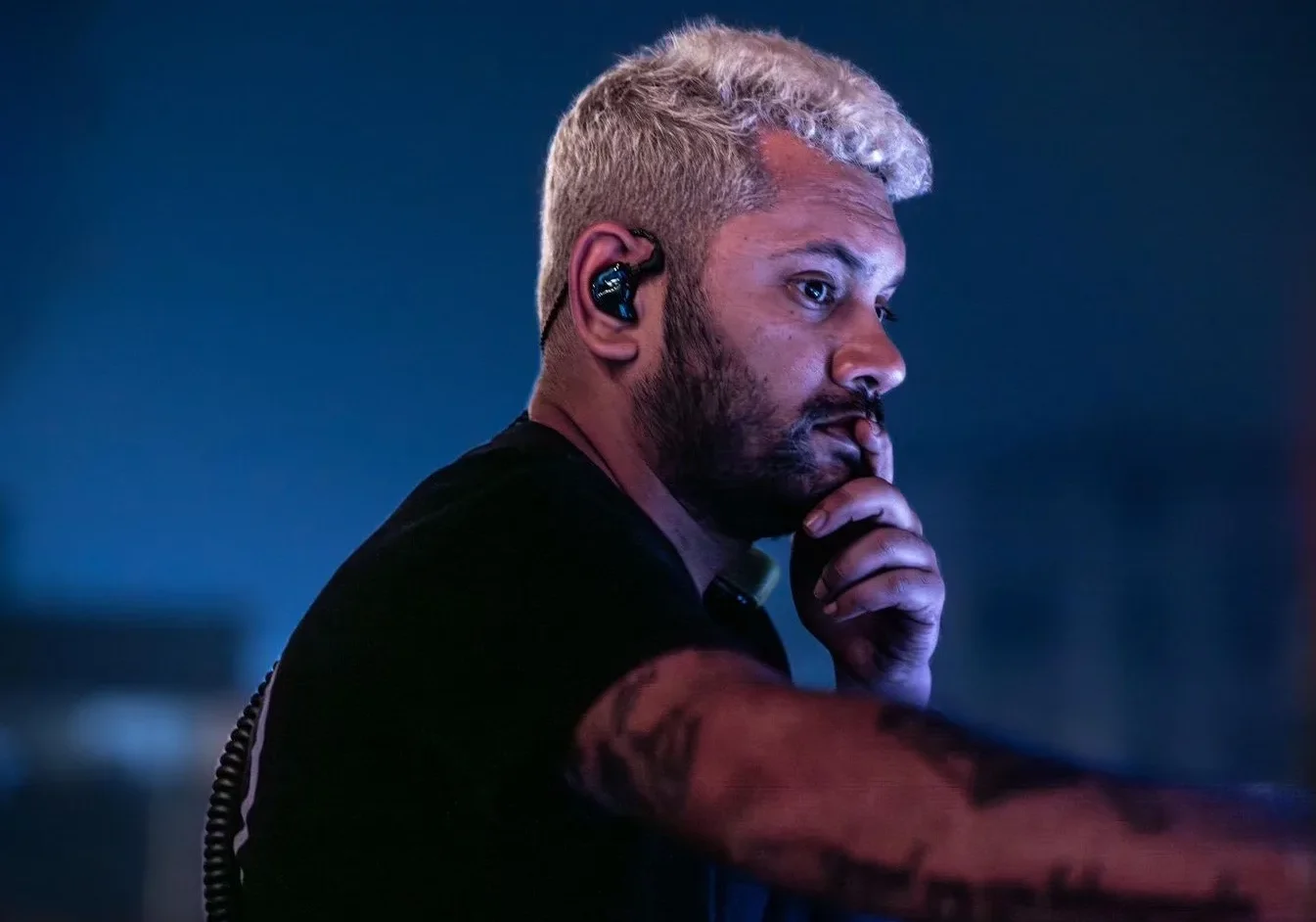

Prathik has been the FOH for Peter Cat Recording Co, The F16’s and many more premier acts. From revealing what it is actually is that a sound engineer does to talking about working with one of his heroes – Tom Morello, he reveals it all as honestly as possible.
What does a Sound Engineer actually do? Where does your work begin and end during a show?
For people outside the industry, I usually describe a sound engineer as the person responsible for how an event feels sonically, not just how it sounds. My job is to make sure every word, note, and cue reaches the audience clearly, consistently, and with the right emotional impact.
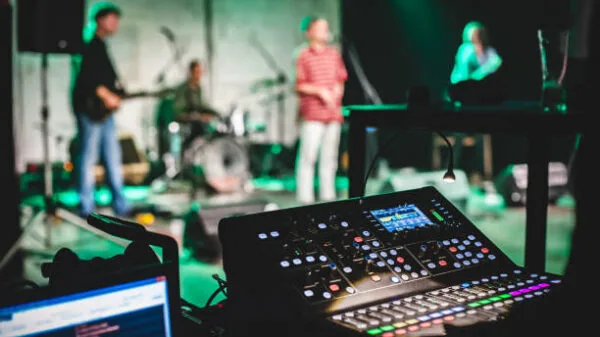
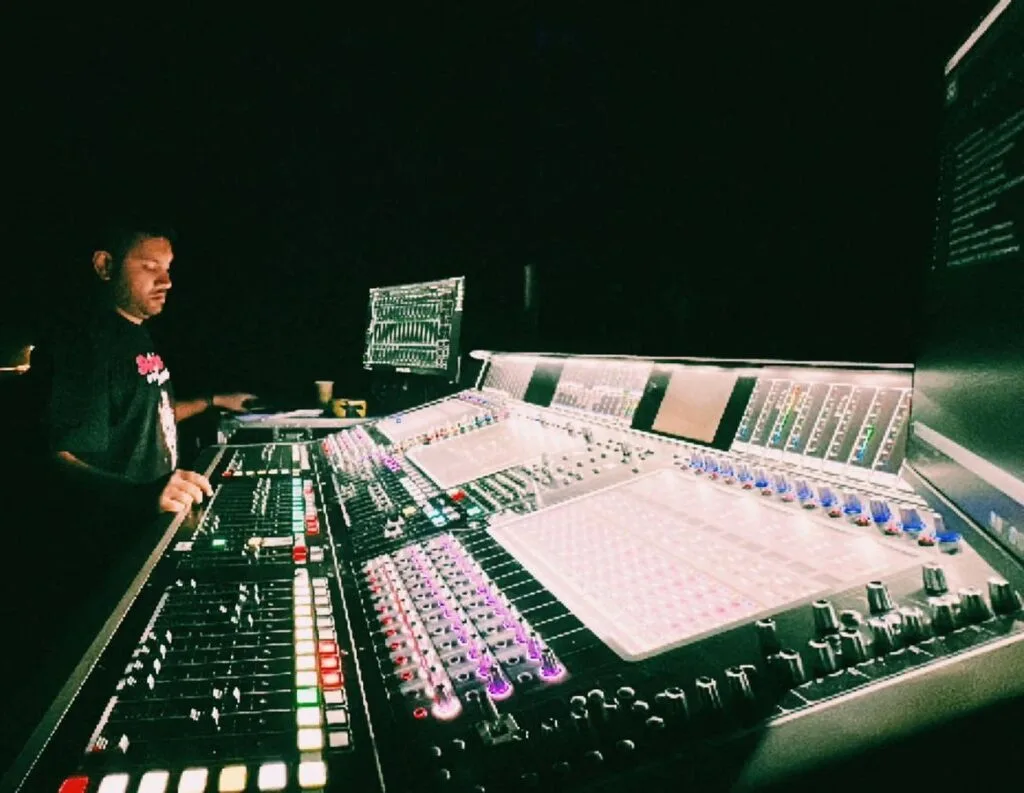
My work actually begins long before the show starts. It starts with understanding the venue, the equipment, and the needs of the performers or speakers. I help plan microphone choices, speaker placement, signal flow, and monitor mixes so that what the audience hears is balanced and what the performers hear on stage helps them give their best performance.
During the show, I’m actively mixing in real time — adjusting levels, EQ, and dynamics, responding to changes on stage, solving problems before the audience notices them, and maintaining clarity from the first soundcheck to the final applause. A big part of the role is anticipation: watching performers, reading the room, and staying a step ahead technically.
My work doesn’t really end until everything is safely powered down, packed, and reviewed. After the show, I often evaluate what worked, what could be improved, and how to make the next performance even smoother.
So, in short, a sound engineer sits at the intersection of technology, acoustics, and performance — making sure the audience doesn’t have to think about the sound at all, because it simply works.
You’re considered one of the country’s most trusted Sound Engineers. Did you grow up wanting to be in music or did this role emerge unexpectedly?
I had no idea I would ever be doing anything in the music. I have my parents to thank for my taste in music cause ever since I was a kid I would be listening to Pink Floyd, Deep Purple, Rainbow, Elton John, Zeppelin, Police, Rush, etc. My musical taste is definitely old school rock n roll meets heavier stuff meets ballads. I started playing a little bit of drums when I was in the 9th grade. I would hang out in the school jam room and mess around while trying to figure paradiddles.
My folks agreed to send me for drum classes and that’s when I slowly started building my love for music. I realized in 2010 there was no real scope to be a full-time musician. It was impossible, you needed a second job.
So that’s when I decided to go and attain enlightenment in the field of sound engineering. Best decision of my life!
What’s the most misunderstood part of being a sound engineer?
The most misunderstood part is that you’re going to be recognized, you’re going to get fame, all of that. But the reality is that you’re pretty much the first person to get in and you’re the last person to leave.
If the band plays well, it’s basically the band that gets the credit. If the band messes up, everybody looks at the sound engineer. It’s the most thankless profession out there.
If people don’t recognize what you’re doing, that means you’re doing a good job at it.
Who are your inspirations?
It’s a mix of both studio engineers and live engineers. I am a studio engineer by degree. I didn’t specialize in studying live sound, but when it does come to live sound, it’s so much more adrenaline pumping.
Anything can go wrong, it’s a different venue every day, your challenges are new. That makes it so much cooler to do and also so much harder to do.
In terms of inspirations, I would say Joe Barresi, engineer for Queens of the Stone Age, Tool.
He’s one of my most favourite engineers out there because his approach is super raw, not over processing, not over producing. It’s so raw that what’s captured at the source of the microphone is basically what you hear most of the time.
What have been your favourite concert moments?
Peter Cat Recording Co. at Red Rocks.
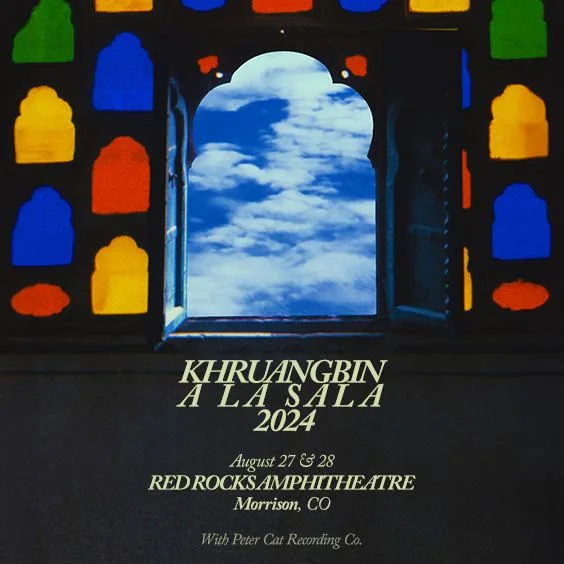
That was surreal because I’ve seen videos of some of my favourite bands in the world play that venue.
An advice you would give to someone who wants to be a sound engineer.
When it comes to relationships with artists, managers… make sure that you don’t make any enemies because it’s a small field. Don’t make enemies because those people are going to get you more work in the future.
Sleep is for the weak in this industry. You get minimum sleep, maximum amount of work. It’s late nights and very early mornings. You’re not going to be around for most of the important events in your life because you’re going to be at a show.
You have to be very confident. The artist is paying you money so that you can give them the best product for their fans. Don’t ever break that trust. Don’t ever undervalue yourself and never agree to do work for free because that indirectly kills this industry that we’re.
Is there a particular artist that stands out and why?
The F-16s!
The F-16s are brothers to me. The first gig I ever did, I got a message from Josh, the frontman, on Facebook saying that, hey, we’re looking for a sound engineer.
I thought it was a prank because I was a fan of the band. Then I realized that, oh, no, it’s not a prank.
I got in touch with them and that’s how I basically started working with The F-16s.
What have been some of the highlights of your career?
Last December, I did the Tom Morello India run, I was his monitor engineer. That was a trip for me because I’ve grown up listening to Rage Against the Machine. I’ve grown up listening to his signature guitar tone, and I got to be part of the crew.
Being able to work with Tom Morello for three shows back-to-back, I got to hang out with Tom Morello, got to hang out with his band. I learnt so much in terms of how the old school guys do it.
What’s the most surprising or unexpected thing you’ve learnt about the music industry by being a sound engineer?
One thing in this field is that skill is very important. But as important as skill would be your people skills, how much you can stroke an artist’s ego.
If you’re bad or your vibe doesn’t click with an artist or a band, the odds are you’re not going to be called back. It’s very important to know how to conduct yourself. It’s very important to know what to say, when to say. As much as it is correct to be honest and say what’s actually in your mind, when it comes to this field, you need to really think a hundred times before you say something because you never know whose ego you’re going to hurt. That can be the end of your career with that artist.
Finding another artist is a pain because you’ve already set yourself up at a specific place with an artist and then you get sacked or thrown out of your job. One of the most surprising things that I’ve seen is that a lot of artists cannot take criticism and what they don’t realize is that the person mixing is your biggest and best critique.
What’s a concert or a festival you haven’t had a chance to work on but would love to?
Download Festival, Hellfest, Resurrection Fest. I’m a huge metalhead although the bands I work with are not metal bands, it would be a dream to magically end up with some act at one of these festivals.
You work closely with Lifafa, Peter Cat Recording Co. and The F16s. What sonically distinguishes each of them, and how does that change your approach behind the console?
All three acts are completely different from each other. Lifafa being an electronic live artist, PCRC being this niche, boss nova, jazz, blues, me being an engineer for the act, I still can’t place the band’s genre. Everybody asks me and I really don’t know. It’s niche in its own way and The F16s being the bizarre, heavy, pop, electro-funk, punk, electro-punk.
The approach varies. For Lifafa, the approach is mastering the entire set live, because the signals that I’m getting is his tracks, which is stereo channel. Then his vocals come separately and I process it based on the venue. I send it back and then he uses live effects on the DJ console itself. I have a live harmonium that comes directly to my console and then I just EQ it and that goes straight to the PA.
So, building a balance for that is completely different from the other acts. For Lifafa, my approach is that I master the entire set live. I use multiband compressors, I use compressors, I use EQ, mainly just multiband compression and there’s also bus compression happening on the entire set.
For PCRC the set is swingy, it’s raw, not overprocessed. So, your kick drum is a bit rounder, your snare drum is fatter. Then you have a hybrid drum kit setup where we have a few electronic elements. The balance of each of those patches on the electronic side of the drum kit is really important.
The band is sorted in terms of their guitar tones. Dhruv Bhola is a beast. He has one of my favourite bass tones in the country. The guy is a class act. If the source is good, my job is easy. The approach per song changes because there are some songs that are really hard hitting.
Memory Box is a very disco song and it’s a pulsating kind of beat. So, your kick drum takes front position in terms of getting people to move. Then your keyboards are very stringy that is at the same time making you move with the kick.
Every song, the balance of instruments change. It’s really important for an engineer to know the songs inside out. My approach for PCRC is keeping it a bit raw but at the same time very clean sounding. Peter Cat is a softer band. The outside mix is not loud. It’s a bit mellow. The not being overprocessed is the key factor.
The F16s is the kind of music I’ve grown up listening to. I relate to the music a lot because it’s heavier. I’ve grown up listening to a lot of old school rock and roll, a lot of metal. The approach is straight up, just have fun with it.
Josh and Booby’s guitars are at the same level, slightly panned left and right because both of them are complementing each other in a lot of parts. If you’re standing in the center of the venue, it sounds very cool to hear Josh’s guitar slightly on the left side and Boobie’s slightly on the right side. Every time they play their parts, it’s just moving from left speaker, right speaker, left speaker, right speaker, which is a cool effect.
Sashank is known for his funky basses. Shank is Shank. The guy is a vibe. We now have Jason that plays drums, absolute beast of a drummer. The consistency of him playing drums is insane. I think every engineer out there would agree that if your drummer is sorted, the band’s sorted.
For The F16s, approach is punchy kick, snare drum hits you in the forehead kind of vibe. And your guitars are up there. We do have a few tracks that are running in the background. There are a couple of synth patches in the back. There are a few guitar parts in the back as well. There’re some percussion elements in the backing tracks as well.
The band’s patches are sorted. The keyboard patches are sorted. We make sure in soundcheck we run through every single patch to make sure everything is balanced. The key to a great soundcheck is not over sound checking.
With The F16s, I’m at a point where we agree on a lot of things. There’s a bond that’s been built. The approach is loud in your face. The music is not overprocessed but at the same time, things are a lot more tighter sounding in terms of instrument.
The idea is for the audience to feel the vibration of the sound coming out of the speaker that is going to make you groove. Josh really likes a very specific vocal sound. We always go back and forth with each other.
Is there a particular show or tour that felt like a turning point in your career?
One of the tours that was a turning point in my career would have been the first American tour that I did with Peter Cat Recording Company. It was like a proper tour where it was more than seven shows at a stretch every single day or every second day.
It was probably the most hectic thing I’ve ever done and it was the first time I was doing it so for me it was an amazing learning experience because it was a different space every day.
So as a monitor engineer with a band like PCRC, where every person on stage has such amazing hearing and such good ears, they can tell even the minutest changes, is challenging but to get to a point where everybody’s happy is really rewarding.
For me, the fact that every venue changes, getting stage-ready in a specific time frame. All of that was a great learning experience.
You probably have one and a half hours to set up the stage, and 30 minutes to load in all your stuff into the venue. The band is on stage, patching power, setting up their own stations, while you’re making sure the lines are running to each console — front of house and monitor consoles.
At the end of the day, it’s a joint effort where the band and the crew are on the same page, because you know you have a limited time and you have to get it done within that timeframe. I think that’s really important.
We travel with our lighting engineer — Abhinav Ketrapal; absolute legend. I remember one day, he and I were talking about this with a couple of others on tour, just discussing how amazing it is to do everything. It’s actually the way to go about it.
Compared to back home, where you have people doing multiple things for you, this really brings in work ethic and dignity of labor. If you give me a chance, I’d say I want to do everything.
Ever since that tour got over and after we came back, even in India, I’ve adapted that. I prefer setting up things on stage myself — mic stands, microphones, all of it. Sometimes people insist on helping, and I appreciate it, but I still prefer doing it myself. It gives me peace of mind, and also — it’s just like, why can’t I do it? Just because someone else is there doesn’t mean I should rely on them unnecessarily.
Another tour I’d mention is the 2018 The F16s tour — I’ll remember it for the rest of my life. It was my first international tour with the band. There were five of them and me — six of us — and it was insane!
We did Southeast Asia: Singapore, Vietnam, Thailand, and Cambodia. We were supposed to do the Philippines and Hong Kong as well. One of the wildest things that happened was that we got detained in Hong Kong and were put in holding cells at the airport for 36 hours.
But honestly, that became an incredible bonding experience. It kind of sealed our bond as a group.
I think those two tours really stand out for me. They were amazing experiences. It’s really important to spend enough time with the band and crew you work with, because that’s when you understand each other’s boundaries.
That kind of time together only really happens on tour. Otherwise, if you’re constantly around each other without that understanding, you’d probably end up choking each other.
But yeah, those two tours stand out. I wouldn’t trade this career, or this life for anything. It’s hard, it’s hectic, sometimes it really gets you and makes you question why you’re doing this but at the same time, it’s the most thankless and the most rewarding job out there.
I wouldn’t trade it for anything.
And I don’t think anyone should second guess themselves if they want to do this. If you know you want it, go out there and take it. Cheers. Thank you.