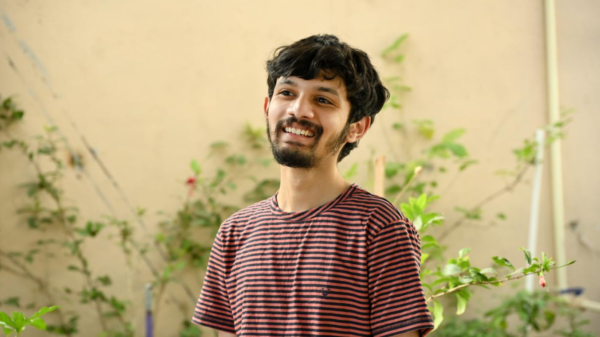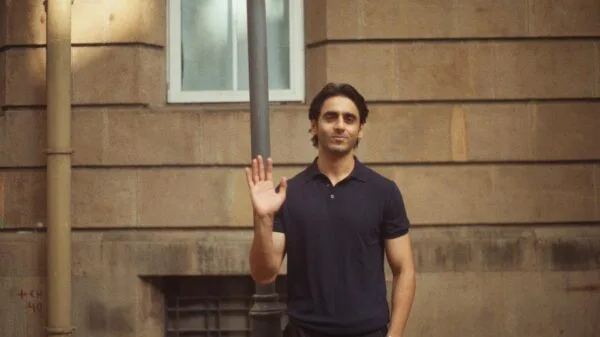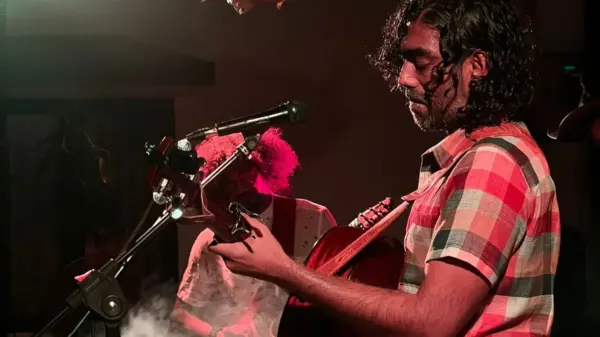







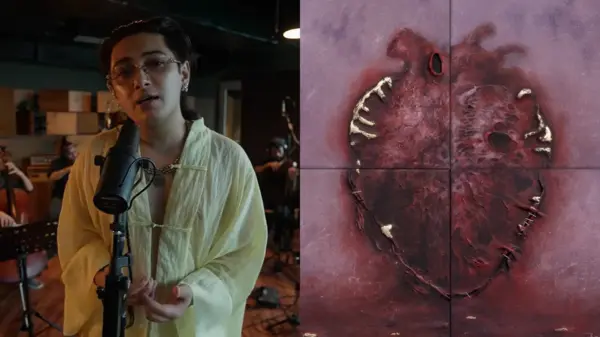










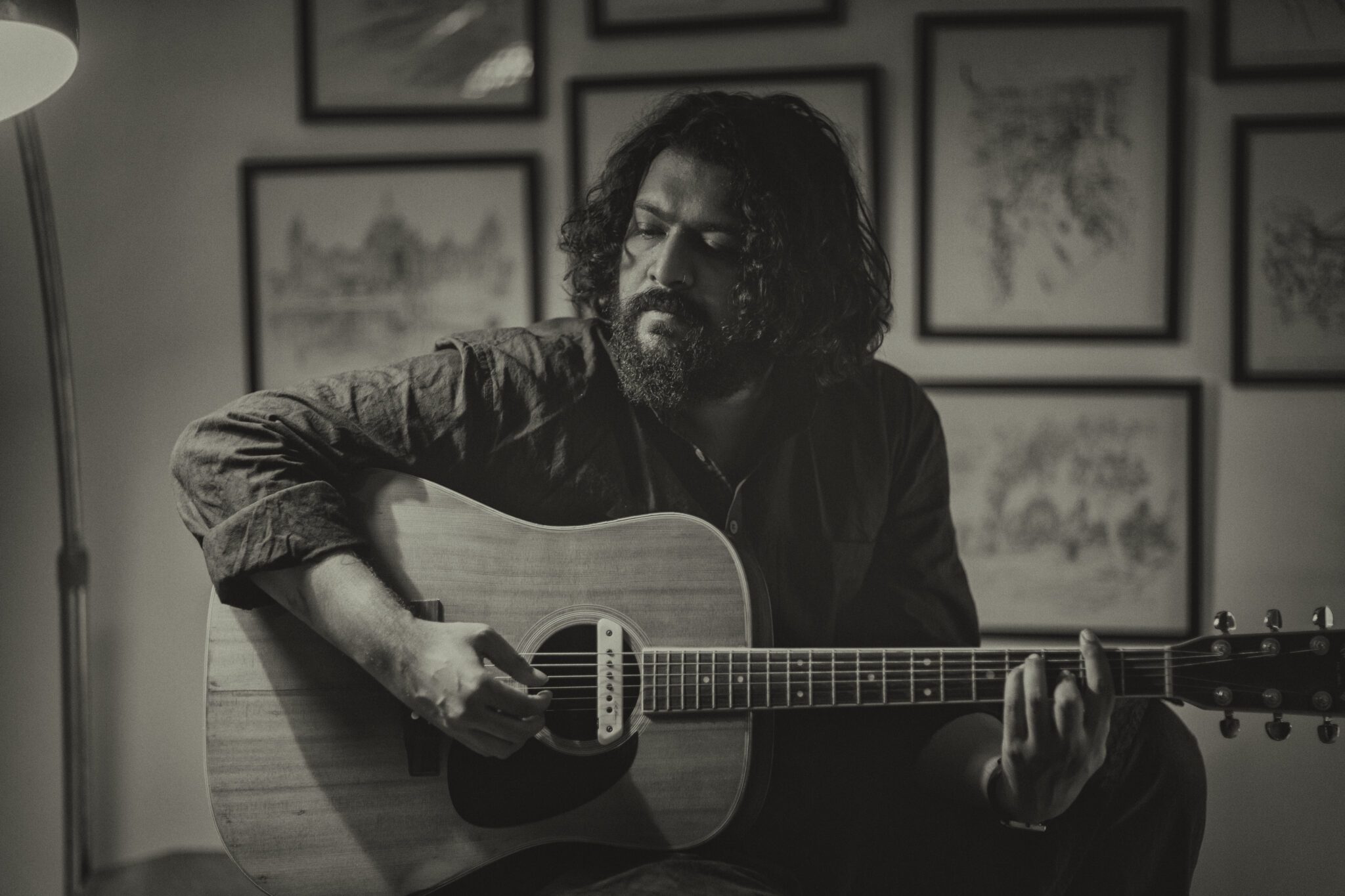

Rono, previously known as Awkward Bong, is steadily carving his niche in Mumbai’s indie music landscape. His sleeper hit “Main Aur Tum” subtly caught listeners’ attention, blending honest songwriting with nuanced Indian sounds. His performances at Bacardi NH7 Weekender and Vans New Wave, along with songwriting stints from Sri Lanka to the Netherlands, solidified his creative credentials.
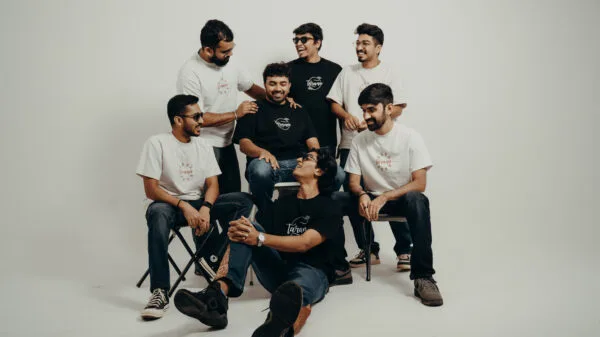
His recent album, “Adhoore Se Khwaab,” emerges from a deeply personal space of loss after his father’s demise. Joined by co-producer Satyajit Chatterji, Rono opts for purely acoustic and analog arrangements, weaving organic textures—nylon-string guitars, analog synths, dotara, mandolin, harmonium, and dafli—into emotionally resonant soundscapes. The featured collaborators—Sabu, Swanand Kirkire, Dear Kokum, Aarifah, along with Rajarshi Das’ violin lines, Sanjay Das’ synth touches, and Swarnavo Datta’s drums—further enrich this album.
The album opens with “Tere Bin” in which hushed acoustic guitar gently underscore Rono’s reflective vocals, setting a contemplative tone. In just a minute, the piece quietly echoes absence, evoking the biting quiet of empty rooms.
“Kar Rihaa” shifts into atmospheric melancholy. Rono’s vocals drift over cinematic violins, stirring emotional release like fog slowly lifting at dawn. Melodies effortlessly drift past, evoking hidden corners of your mind. Sabu’s harmonies complement gently, the arrangement lush yet minimal, leaving ample emotional space.
The third track, “Mehfooz Rakh,” opens with Rono’s soothing vocals ascending gently, soon blending into poetic lyrics. Atmospheric humming and delicate electronic sounds create a soulful backdrop. As Bollywood veteran Swanand Kirkire’s rich voice enters, the song blossoms beautifully, their combined harmonies lending heartfelt comfort. Traditional melodies intertwine with contemporary nuances—soft crinkles, airy hums, and ethereal textures—warm and poignant, it delicately explores life’s fleeting beauty.
“Tera Mujrim” carries midnight regret through delicate acoustic guitar strums and introspective lyrics. Rono delivers quiet confessions—vocal lines cloaked in shadow and uncertainty. Swarnavo Datta’s understated drums add a steady heartbeat, grounding emotions lingering close to the surface.
In “Vaapas Toh Aao Kabhi,” Dear Kokum’s textured vocals sensitively converse with mandolin lines, shimmering softly like twilight fading. Hand percussion murmurs gently beneath lyrical nostalgia, encapsulating bittersweet longing in a serene and measured arrangement.
The sixth track, “Thodi Si,” gently envelops you with shimmering nostalgia and richly poetic verse. Aarifah’s tender vocals blend with Rono’s raw, emotive expression, crafting an evocative interplay. Its composition, sprinkled with airy textures and subtle, breezy instrumentation, resonates deeply, exploring how memories linger and evolve long after goodbyes. The music softly prompts contemplation about love’s purpose and persistence even after relationships end.
“Nange Paaon” enters on a note of raw vulnerability—piano chords landing like shards of scattered glass. Rono’s voice navigates delicate turns, quietly wrestling with denial and resolve. Its lyrical tension makes the listening experience deeply poignant, the arrangement sparse yet vivid.
“Aakhri Safar” feels like a gentle farewell, driven by rhythmic guitars, steady percussion by Datta, and lush violin by Das. An earthy folk sound brings lightness, while Rono’s vocals tenderly express acceptance of lasting grief, fluttering softly like paper prayers carried away on a breeze.
The ninth and final track, “Bas Hawaaein,” layers classical violin lines against Rono’s heartfelt tribute to his late father. His mother’s fragile voice appears beautifully. This piece captures sorrow sliding toward gentle peace, creating a moving and honest conclusion to an album defined intimately by love, loss, and healing.