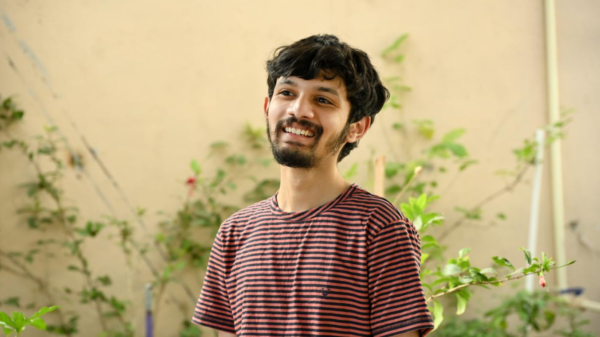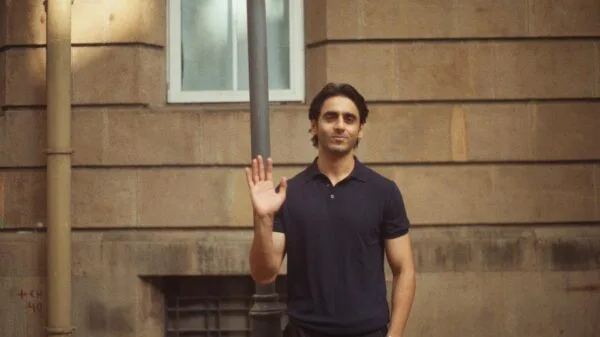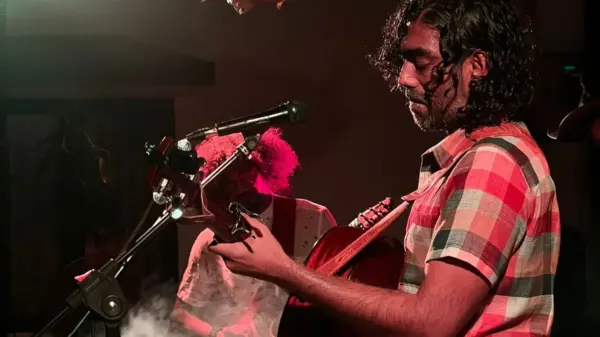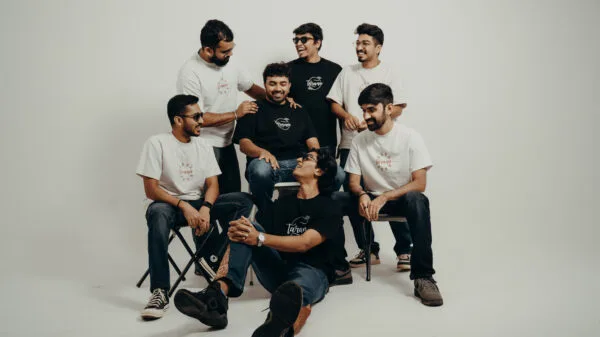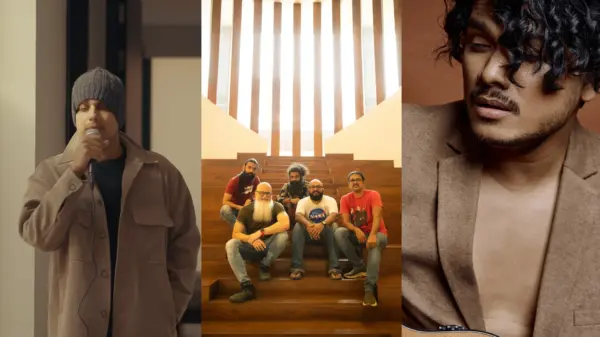






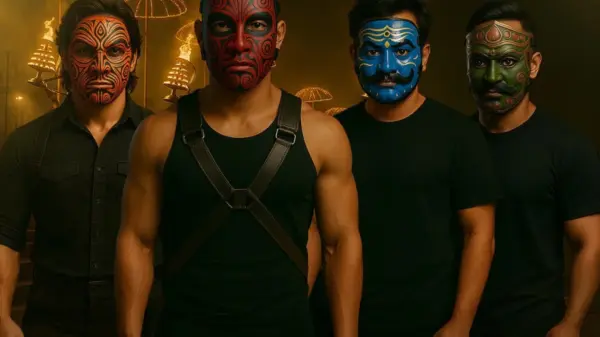


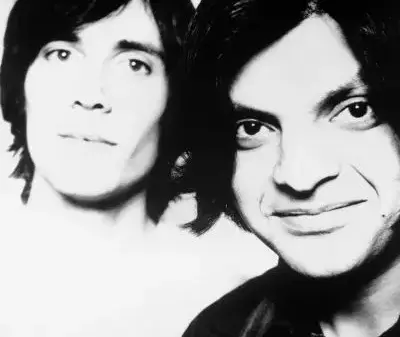

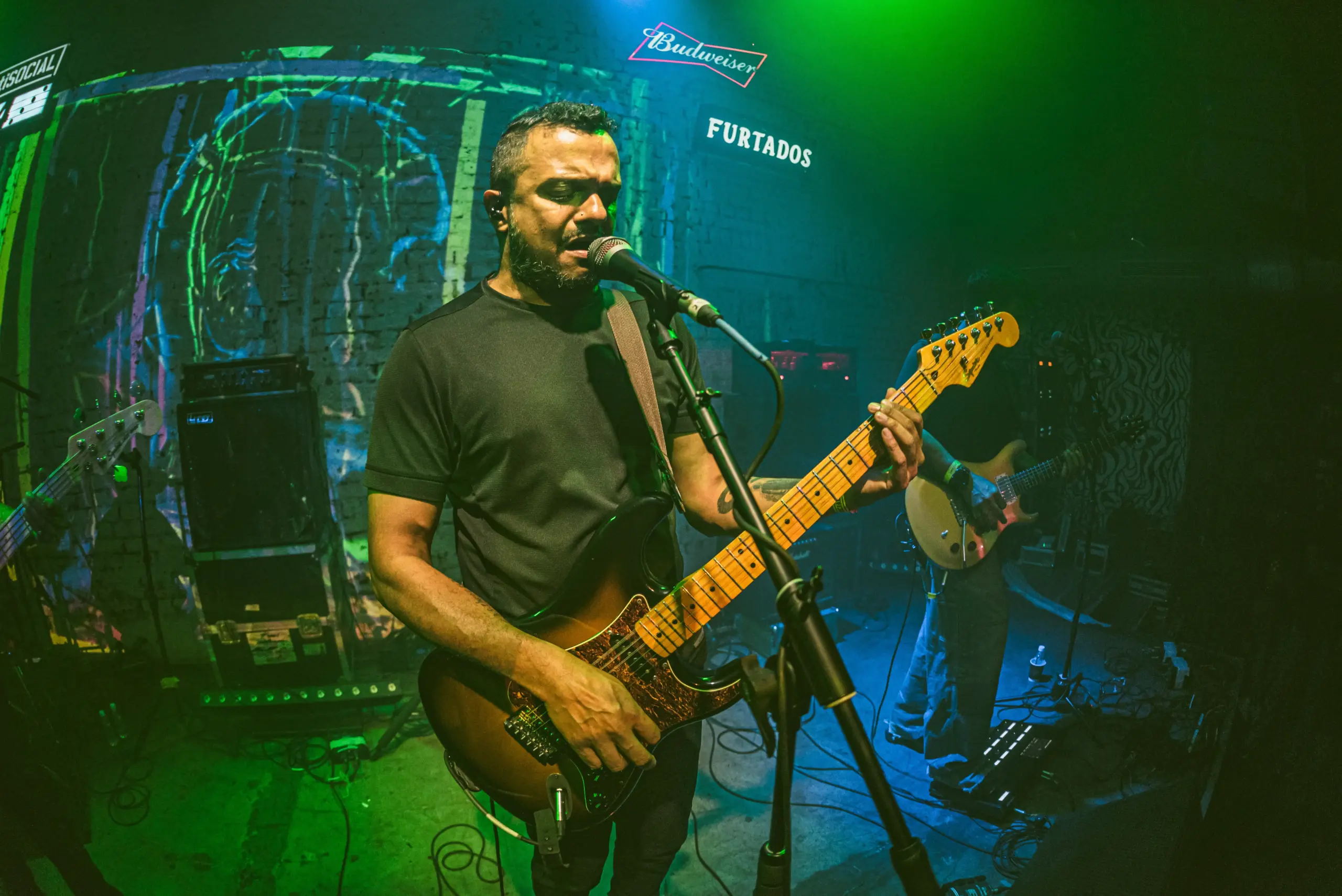

More than a decade after its beginnings in 2013, Runt, the alternative rock project led by Mumbai-bred singer-songwriter and producer Siddharth Basrur, arrives with its self-titled debut full-length, Runt. What began as instrumental writing between Basrur and longtime collaborator Vishal J Singh eventually developed into the 2017 EP Rhymes With and, years later, this nine-track album. Written primarily by Basrur and shaped over several years in his home studio, Runt moves beyond the project’s earlier, more polished alternative-rock sound into something heavier, rawer and more visceral, while retaining the melodic instincts that have always sat at the centre of his songwriting. Across the record, everyday frustrations, creative struggles, delayed payments, approaching forty and self-deprecating humour become material for songs that are personal without being overly serious about themselves. With contributions from Singh and former Runt guitarist Chandan Raina, who mixed the album and added additional guitar layers, Runt captures a project that has had years to evolve into its own sound.
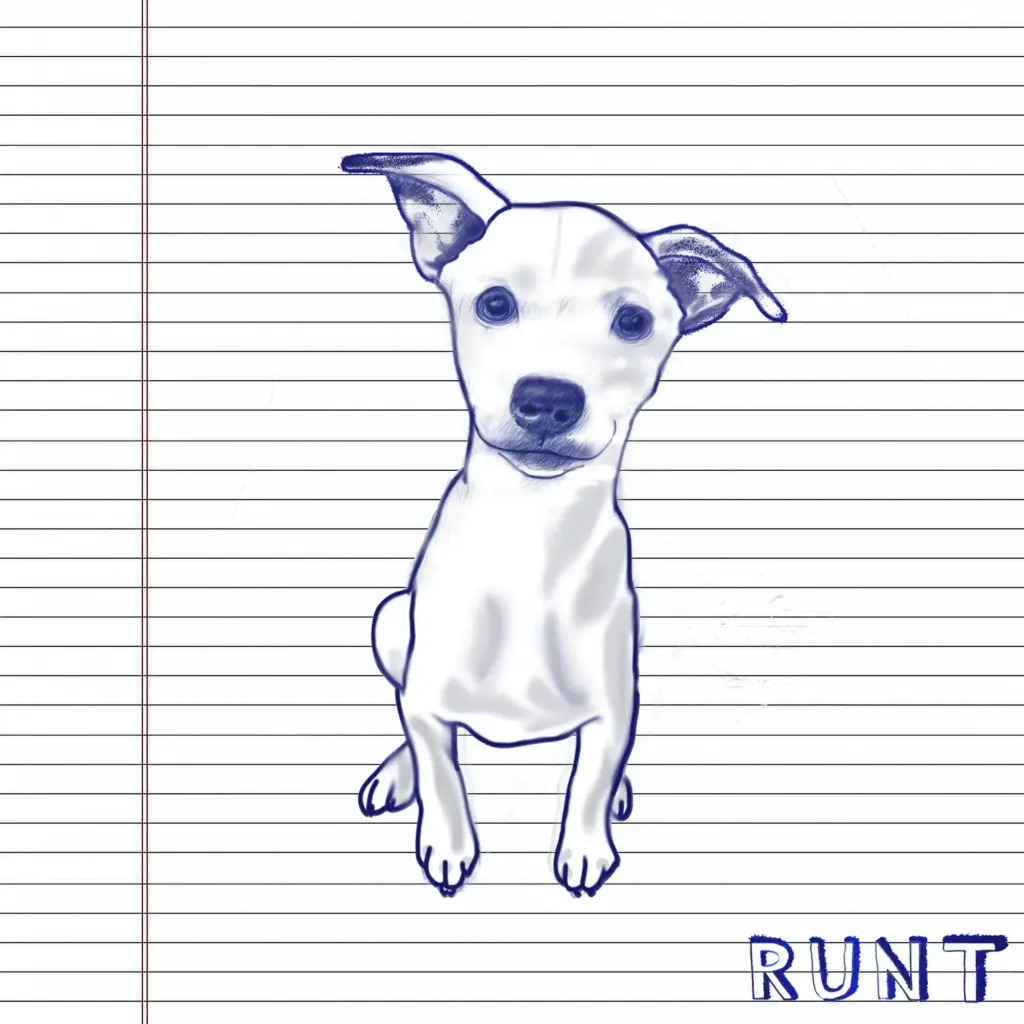
Hop, Skip, Jump opens the record with momentum, as its title suggests. Built around energetic drumming, crunchy guitars and an undeniably groovy rhythm section, it immediately establishes the sound of Runt. There’s something very familiar about the track’s alternative rock foundation, but the groove keeps it from feeling dated. It is an easy song to get into and sets up the album well.
Like Jello, Only Stickier settles into a more traditional verse-chorus structure, but there is enough movement within the arrangement to keep it engaging. The verses build naturally into a hook-heavy chorus, with the change in drum groove and crashing cymbals helping distinguish the sections. Basrur’s clean, melodic vocals sit comfortably against the guitars, while the bridge opens into a guitar-led passage that gives the musicians a little more space. It is a good example of the album’s ability to keep things uncomplicated without making them predictable.
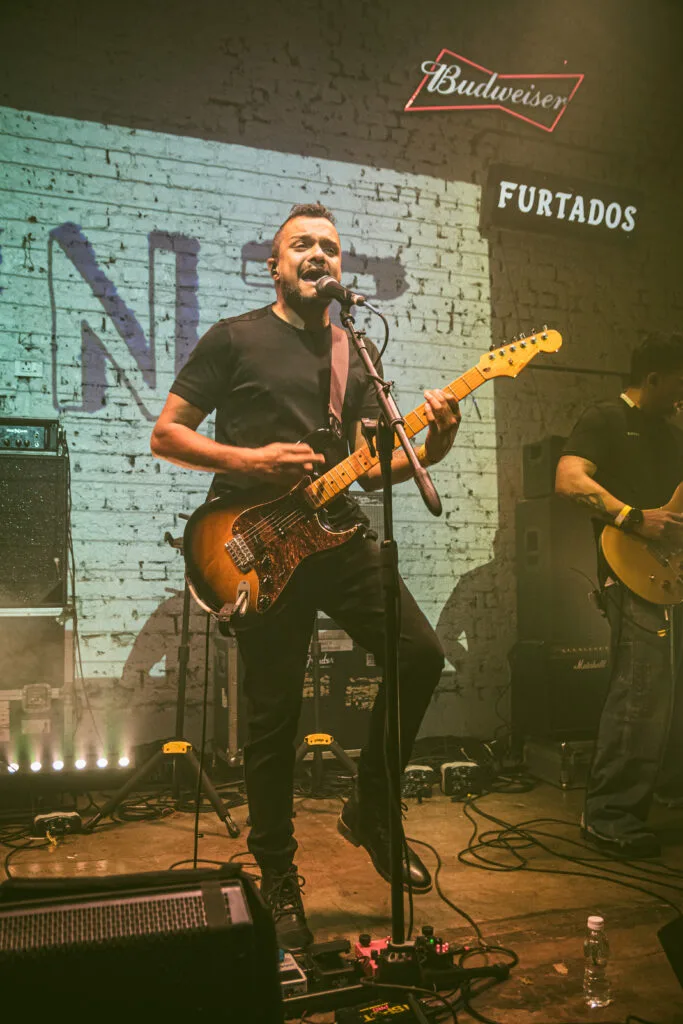
Pay Up, Or Die was one of the tracks that stood out to me more immediately. There’s a sense of youthful rebellion in the sound, but the writing feels more grounded in the frustrations of adult life, broken promises, money and the feeling of having to keep up with everything around you. The guitars and drums keep the song firmly in the heavier side of the album, while the lyrics give it a little more weight than its title initially suggests.
With Press To Cancel, Runt allows itself to get a little messier and more playful. The guitars remain tight, but the vocals become the main source of character. Slurring, subtle screams and changes in vocal texture make the performance feel less polished in the best possible way. It adds a sense of personality to the record by allowing a performance to retain some of its rough edges.
Racecar is the shortest track on the album, but it also feels like one of its most restless. Built around pounding drums, heavier guitars and a more aggressive vocal delivery, the song takes a satirical look at the need for attention and validation in the age of social media. There is a sense of urgency to the track that fits its subject, and its short runtime works in its favour, it feels deliberately brief, almost like it has no interest in slowing down to explain itself.
Smashing Souls takes a step back from that aggression. Its structure is relatively straightforward but the emotional weight comes from its sense of disconnection. There is something recognisable in the feeling of simply not wanting to engage with someone anymore. The song doesn’t need a dramatic arrangement to communicate that feeling, and its restraint works in its favour.
Solitaire is where the rhythm section particularly caught my attention. The double-bass opening gives the track a distinct character while still keeping it within the album’s larger sonic world. More importantly, the song introduces a different emotional shade. After some of the frustration and confrontation earlier in the record, Solitaire feels more vulnerable and introspective. It is a subtle shift, but an important one as the album begins moving towards its conclusion.
Too Smart brings the energy back up with aggressive instrumentation and a chorus that is particularly easy to sing along to. The guitars and drums retain the heaviness of the album, but the vocal melody gives the track a more accessible quality. That balance between heavy instrumentation and a catchy vocal hook is something Runt does particularly well, and this is one of the clearest examples of it.
The album closes with What It’s Like, arguably its biggest departure from the formula. Rather than coming in with the drum-heavy energy that defines much of the record, the song begins quietly and gradually builds towards a heavier chorus. The vocals remain relatively soft even as the instrumentation expands, creating a contrast that gives the track a more reflective quality. After an album that spends much of its time pushing forward, the decision to end on something more restrained feels fitting.
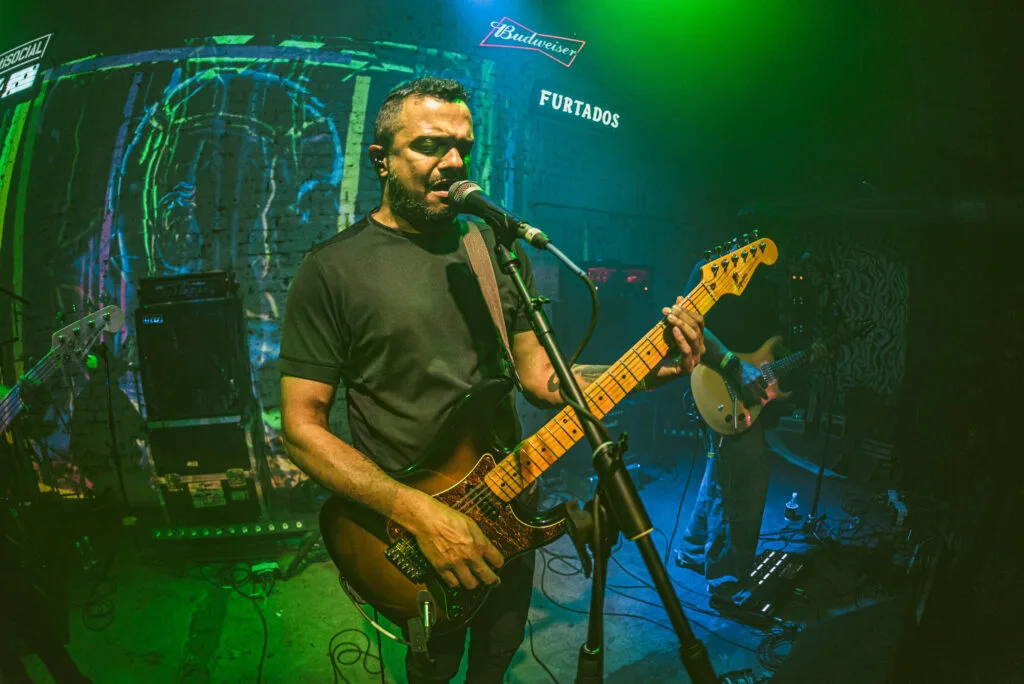
What makes Runt particularly effective is the tension between its accessibility and its aggression. Basrur’s vocal melodies remain immediate and singable, but they sit against some of the project’s heaviest instrumentation yet, giving tracks such as Pay Up Or Die, Racecar and Too Smart, a sense of urgency without losing their hooks. Other songs reveal a more reflective side of the record, giving the album room to breathe without disrupting its momentum. The result is a debut that feels accumulated rather than manufactured, years of unfinished ideas, musical influences and everyday observations finally finding their place on one record. Runt turns rough edges into part of the album’s character, making this a release that feels as suited to a loud room and a live crowd as it does to the quieter moments that inspired it.