






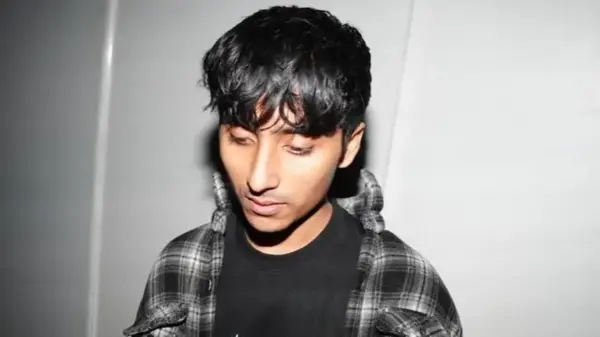








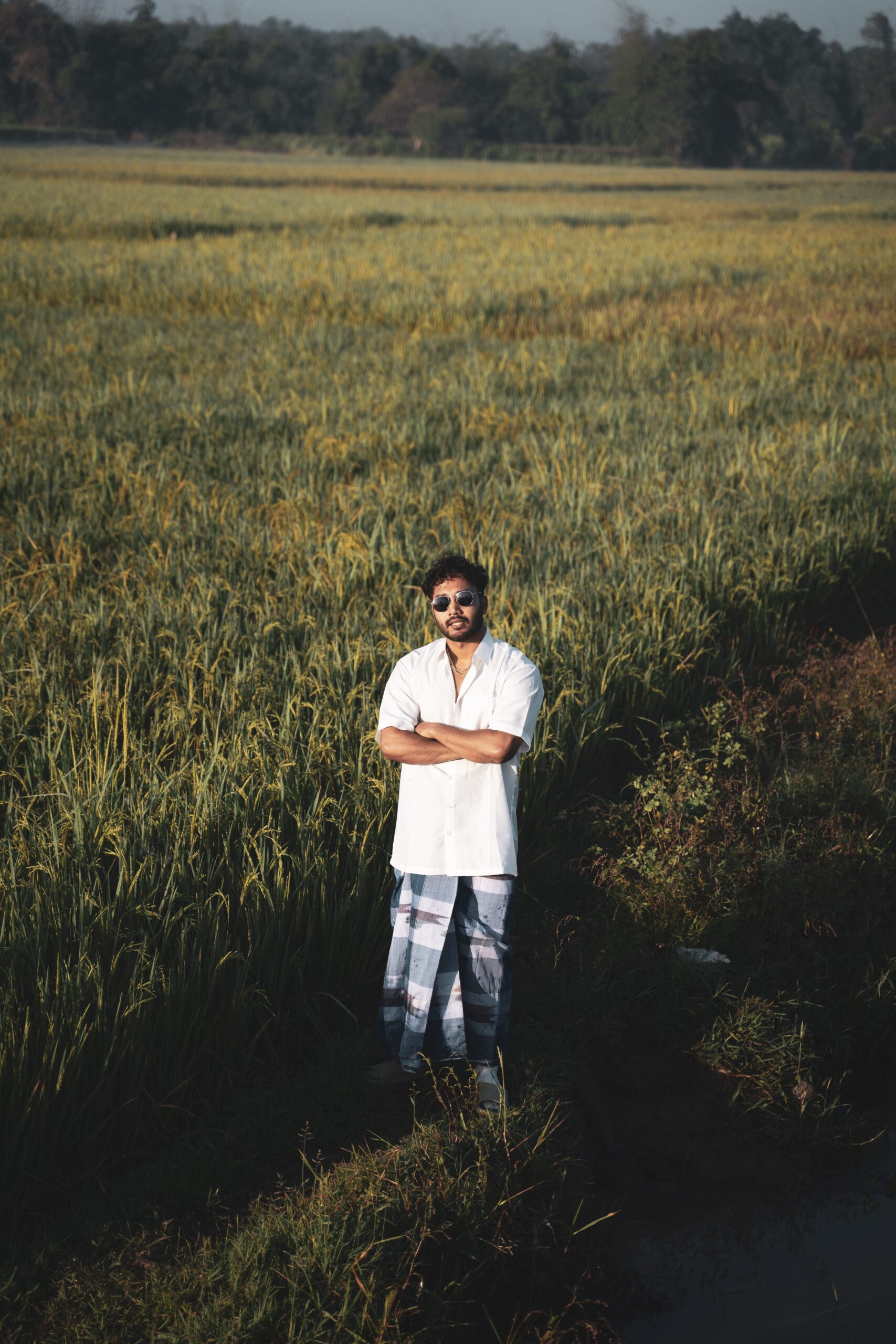

Freakyy is an upcoming name in Indian hip-hop, hailing from Tripura and bringing with him a fresh sound inspired by his own experiences. His debut album Kabaddi, now streaming on Spotify, is an eight-track dive into themes of identity, survival, and the chaos that comes with growth.
Freakyy threads his story through the metaphor of the game—push, pull, fall, rise. Whether it’s the bounce of “EK EK EK” or the cultural undertow of “MAAFI,” the production is tight and the hooks hit hard. It’s not too serious but an artistic expression of a kind. In this review, we’ll unpack what Freakyy is bringing to the table with this latest addition to Indian hip-hop.
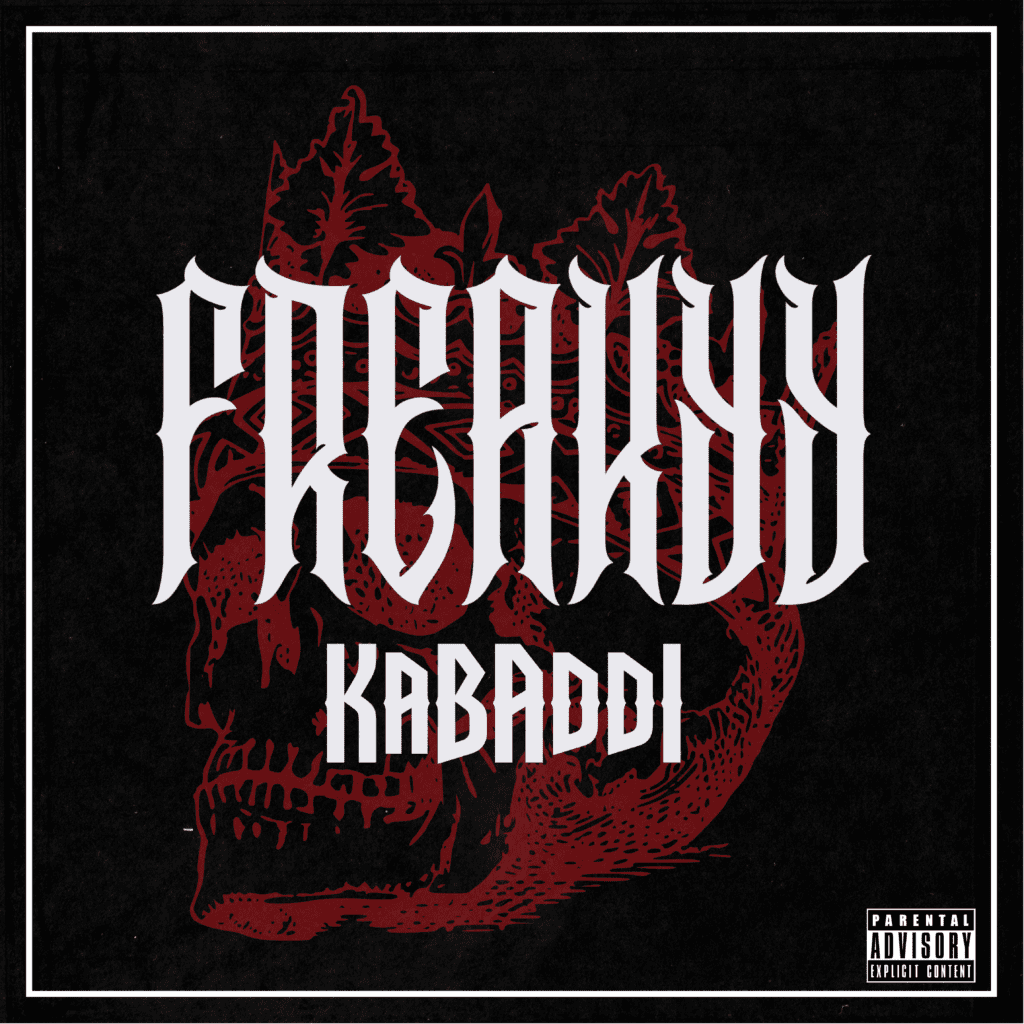
The album opens with the title track Kabaddi, a moody, late-night cruise of a song wrapped in electronic textures and ambient haze. Freakyy delivers his verses with a soft punch, using the game’s rules as metaphor for life’s constant cycles of chase and escape: “पकड़ में आये तो शाबाशी, छूट कर निकले तो तबाही.” There’s restraint in the delivery, but strength in the writing. It sets the album’s tone: poetic, modern, and quietly disruptive.
The second track १११ (Ek Ek Ek) starts slow with gentle piano keys and a meditative pace. It’s a slow burn and more of a journal entry than anthem. It digs into the everyday grind and the quiet weight of societal pressure. Freakyy raps in Hindi calling out the double standards we live under, yet holding on to hope. The vibe is soft, dreamy, empathetic and introspective.
cannabis turns the mood around. Built on bouncy, trap-style beats and submerged in smoky reverb, this one leans into classic chill-hop territory. Featuring Lil Lucey and HMNXSU, it’s a half-Hindi, half-English head-nodder that blends slick bars with trap-house aesthetics. The track calls out hypocrisy (doglapan) with sharp wit but no rush. It’s gritty, chill, and built for after-hours.
Then comes माफ़ी, a track that plummets into emotional depth. The production goes cinematic with layered synths and an almost distant, atmospheric vocal mix (a hint of pre-delay reverb adds that ‘faraway’ feel). It’s existential, anxious, and brutally honest asking whether the artist can survive the weight of the world. Freakyy paints a haunting picture of artistic burnout, and it lands heavy.
The fifth track, Bati Chalan is sung entirely in a Tripuri Bengali dialect, this one’s a raw cultural flex. It opens with husky vocals over mellow keys and shimmering synths, but it soon swells into something anthemic. Even if you don’t understand the lyrics, the emotion hits. The performance is jagged, real, and electric.
Khud Se, the sixth track, is the album’s philosophical apex. Kicking off with immediate energy, it dives into the mental wars we wage with ourselves. Freakyy raps in Hindi, packing the verses with layered symbolism and grounded struggles. There’s groove, grit, and flow here perfectly matched to the beat. It’s poetic but accessible, and the emotional pulse is high. This is hip-hop that cares.
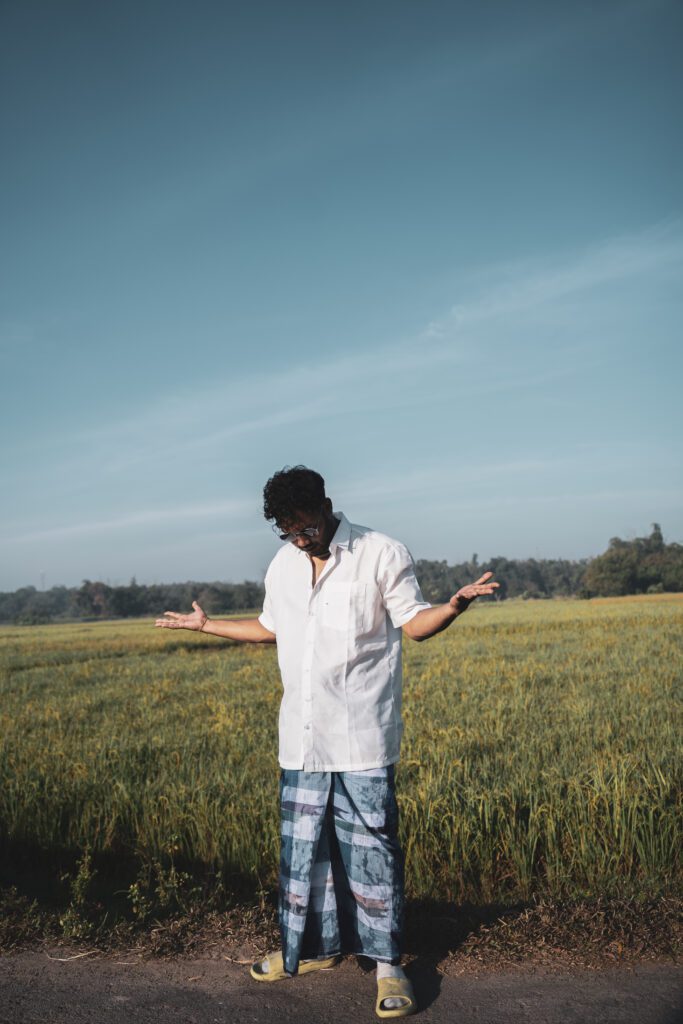
Bheege Bheege, the penultimate track, feels like a hearty conversation with a best friend. With tinkling melodies, radio static, and a gentle, rhythmic flow, it blurs the line between rap and poetry. Freakyy’s voice is compassionate and close, offering consolation without pretense. The song touches on everyday struggles, self-doubt, and the search for meaning yet remains hopeful, like rain that cleanses more than it clouds. It’s moody, introspective, and quietly powerful, tying together the emotional threads of the album with sincerity and grace.
The final track, Jodi Ami Apachanda, closes the album with a jolt of color. Featuring SYETR RAPS and HMNXSU, the bilingual track is punchy, proud, and fast. With festive beats and sharp flows in Bengali and Hindi, it feels like a celebration of self. The message is clear: embrace your individuality, express freely, and leave no apologies. It’s a joyful rebellion and a perfect curtain call.