







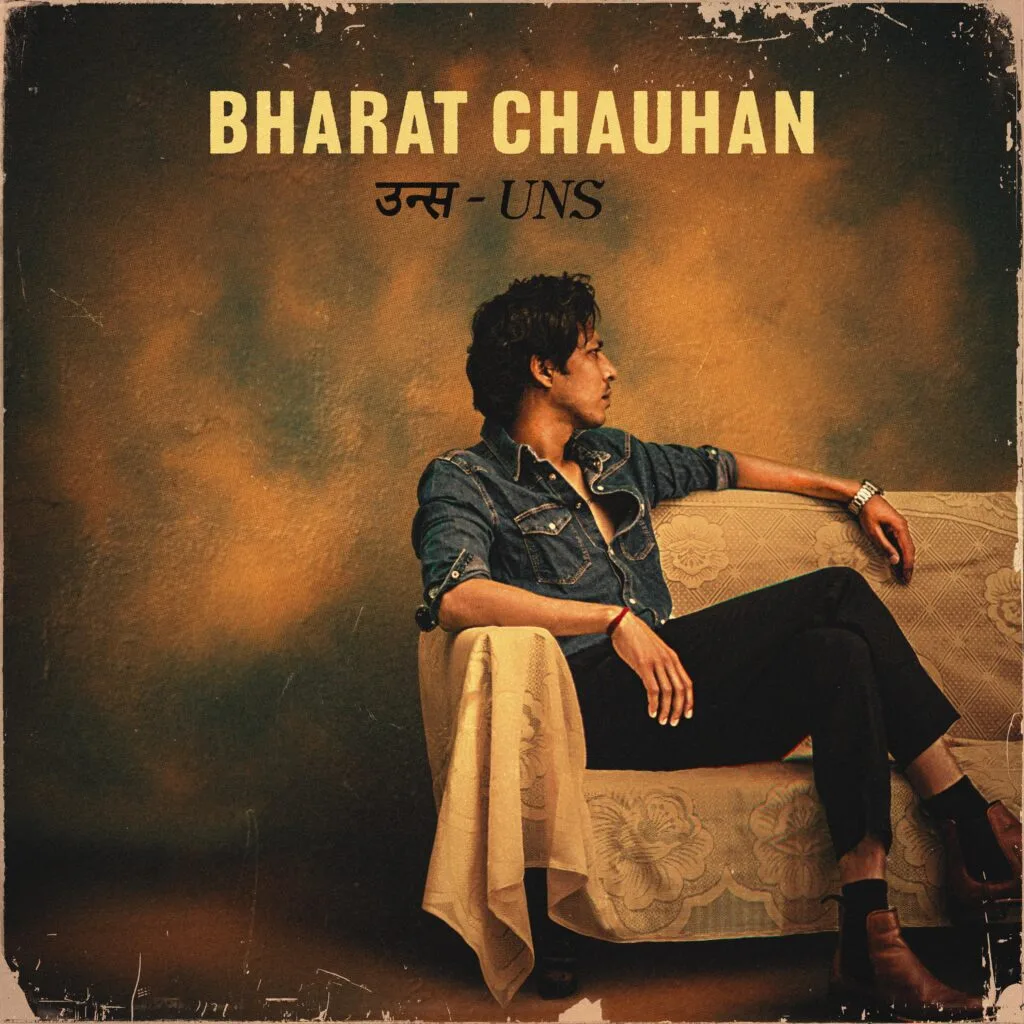
It has been four years since Qurbat, but the gap has done Bharat Chauhan no harm at all; if anything, his second album came out with more people waiting than he has ever had. Qurbat was heartbreak, written the way he writes it, with the words carrying almost everything and the music holding a steady undercurrent. UNS is after something considerably harder.
The title is the Urdu word for the stage of love that comes after the falling and before the burning: the ordinary, mundane closeness of two people. It is the least dramatic thing love does, and by a distance the most difficult to build a song around, because there is no crisis in it to write towards. Built around twelve tracks, written and composed by Chauhan and produced by Ritwik De, it is the second of the seven albums he has said he intends to make, and the first real test of whether he can write about calm as well as he writes about loss.
The opening stretch of the album moves considerably slowly and takes its time getting to you. It asks for a patience most records this year would not risk asking for, and if you come to UNS wanting something immediate, you will give up before it has done anything for you. Past the midpoint, it starts to gather. The song choices in the back half are simply better; the sequencing is tighter. And the long walk uphill makes the view worth it.
A third of this album has been out for years. Chann Chadheya was a single in 2023, Kareeb and Mujhsa Agar Mile in 2024, Summercoat in 2025, and on most albums that would make for a collection rather than a record. Here they have been placed well enough that they belong together.
Cinema Chowk is the one people have gravitated towards most, and it earns its praise. It carries the feeling of an older kind of Hindi film, two people locked inside a moment, talking with their eyes, and Chauhan writes it as a place rather than a feeling, which is why it works, because the rooms and streets we loved are always the last things to let go of us. “Aasaan hota toh kahani na hoti“, he sings, and the line does what his best writing always does, which is to take something everybody already feels and turn it into poetry.
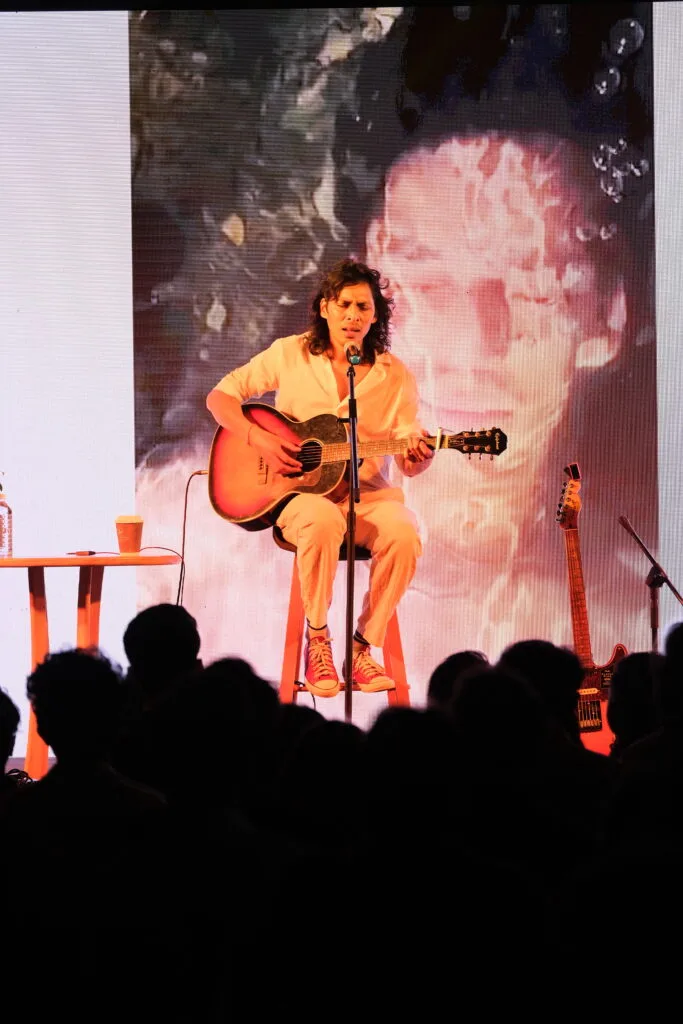
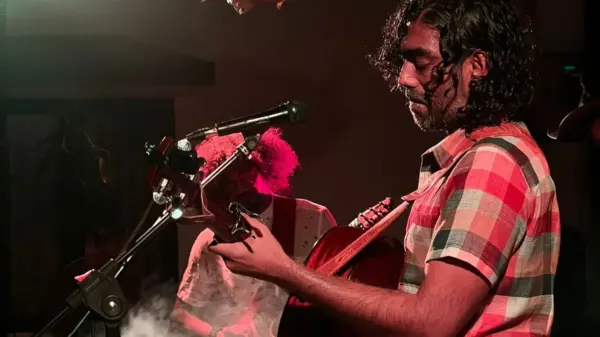
A good part of what holds all this together is the guitars; Ritwik De’s work does a lot without making a show of it. The riffs on Daag, Charaag, Payaam, and Bazaar are worth the close listening.
Bazaar is the one song that UNS could have gotten better, and it stings more than it otherwise would because of how much was riding on it. The Seedhe Maut collaboration was the most anticipated thing on the album, a return after their 2024 single Shaayar, and people had been waiting months. The writing seems to be there. The trouble is that you cannot hear it, the beat sits so far forward that the verse disappears underneath, and whatever the duo brought reaches you as texture instead of as words.
That is one song out of twelve. What surrounds it is an artist who has stopped trying to devastate you and started trying to keep you company, which is the harder job. The question UNS set itself was whether Chauhan had a musical language for the softer, more peaceful part of love, and the answer is that he does: modern production underneath, old-fashioned writing on top, neither one fighting the other. Two albums down, five to go, and I’d say the climb is worth staying on.