



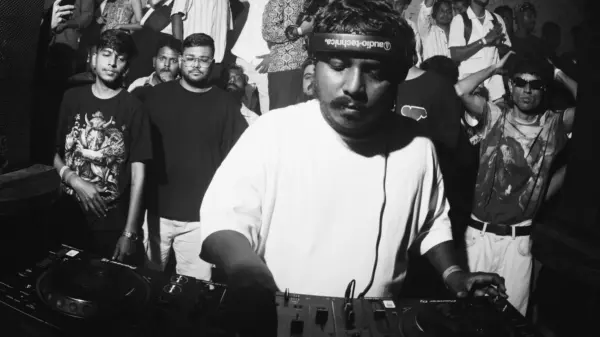










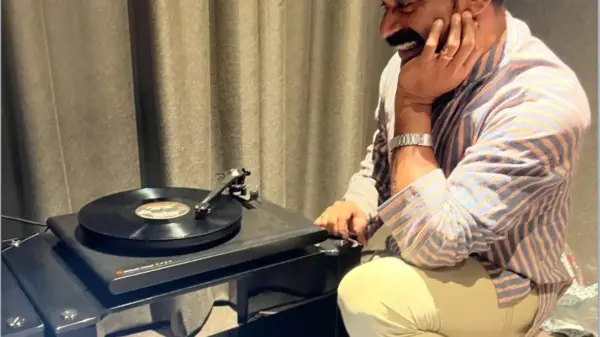



Zain Calcuttawala has spent a big chunk of his working life in the parts of the music industry that sit just outside the limelight. He started out as an artist manager and gig programmer at BlueFrog and OML, working with acts like Megadeth, Imogen Heap and T-Pain, and since 2014 he has been producing for artists across the indie scene, including Dot., Tejas, Irfana and Akshath, while also teaching, designing an artist development programme and founding the mental health podcast Marbles Lost & Found.
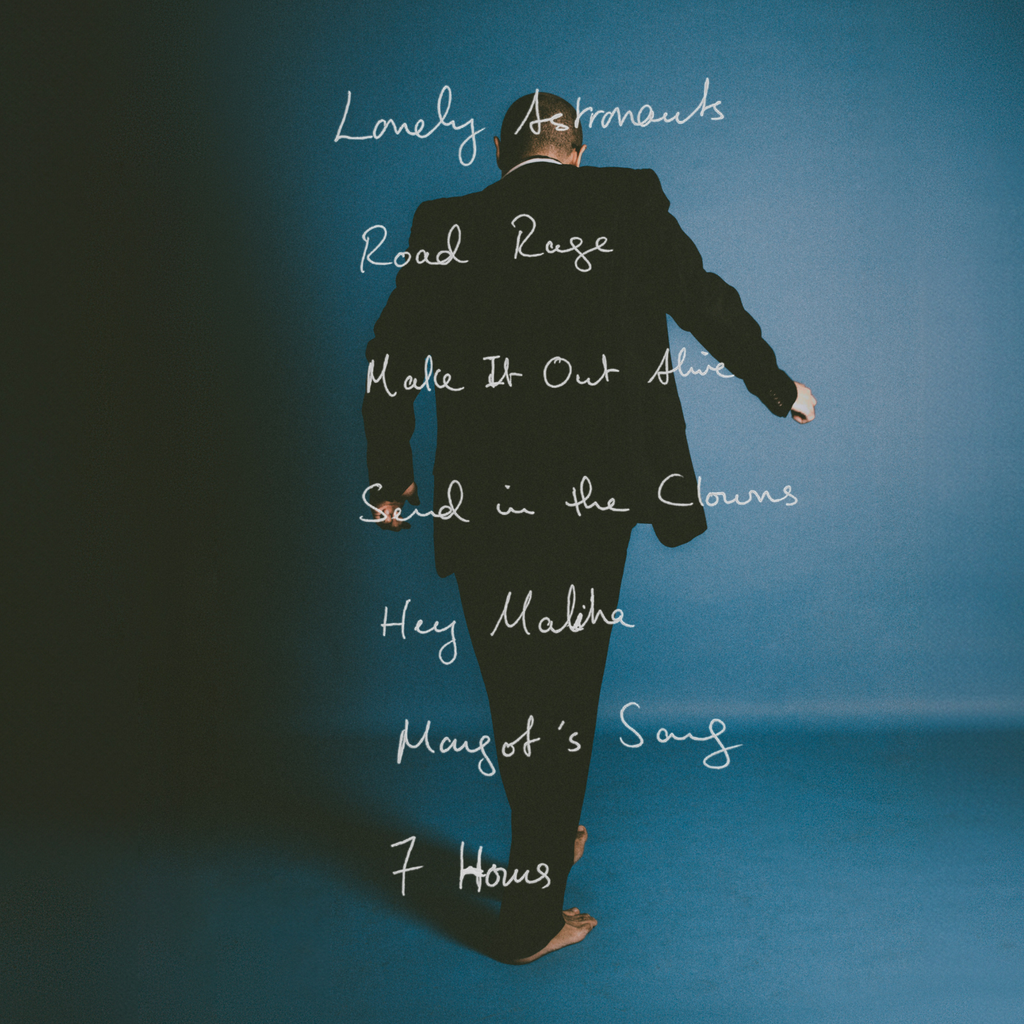
His debut album as Bulli Bainbridge, Seasons, came out in January 2023 and was listed among Rolling Stone’s top ten indie albums of that year, and yet, with all of that behind him, he says he never quite had a body of work that felt like his own. The self-titled record he released this September is his answer to that, a seven-track album drawn from true stories in his life and shaped in the sounds and textures of the 70s and 80s he so loves still.
From Seasons to something of his own
“After the years of production and collaboration, I didn’t have something that felt like mine,” he says. Seasons had been made in a very different way, with each song beginning as one of his instrumental compositions that a songwriter would then interpret, writing lyrics and melodies around their own experience of the lockdown years, so that the record’s thoughts on nihilism, mental health and escapism were voiced largely by other people. This time the lyrics, compositions, production and mixes are his, and the emotional range has widened along with the ownership, moving through what he describes as “everything from heavy to romantic to fun to jaded to loving to nostalgic to dreamy.”
Getting there took time. Work on the album began towards the end of 2024 and carried on for about a year, during which he wrote around eighteen songs before narrowing them down to seven, and the shape they finally took owes a lot to Ankit Dayal, the singer-songwriter behind Tropical Snowglobe, who came in to co-write and refine the melodies and vocals. Zain doesn’t think of himself as a singer, and his voice sits layered beneath Ankit’s for most of the album. “There were nuances he picked up on that just helped the melodies blend better with the instruments,” he says, adding that small changes to a word here and there sharpened the rhythm and phrasing in ways he “couldn’t have done without him.”
A groove with something heavier underneath
The album wears its influences openly, with Daft Punk, Jungle, The Midnight, Nujabes and Michael Jackson all named as touchstones, and it leans into disco grooves, analogue warmth and a little Studio 54 glamour. What keeps it from feeling like dress-up is how much Zain tucks inside that shine, and “Road Rage,” the first single, is the clearest example of it. On a first listen it plays like a smooth, easy dance track, and it is only when you sit with the lyrics that you notice they are about corruption, classism and inequality, delivered with a tired kind of irony. He modelled that contrast on songs like OutKast’s “Hey Ya!” and Foster The People’s “Pumped Up Kicks,” where the sound and the words pull in opposite directions, and he wrote it from a place he sums up as, “I can either laugh or cry, and I cried plenty already.”
The song has also changed for him since he wrote it. As the CJP movement and the anti-government sentiment around it grew, “Road Rage” began to feel like “a song of rebellion and suppressed anger coming to the surface,” and he talks about watching his relationship with it turn into “something more hopeful.”
“Road Rage” isn’t the only song with something heavier beneath its surface. “Send In the Clowns” looks at what it means to make music in a time of reels and shrinking attention spans, where Zain admits he has chased numbers himself, and “Lonely Astronauts” borrows the vastness of outer space and the look of Daft Punk’s Interstella 5555 to write about the overthinking spirals that come with living with OCD, holding on to hope as the one thing that can escape the black hole. “Make It Out Alive” is more uncomfortable, a song about self-blame that ends in a plain apology to the people he has hurt, while “Hey Maliha” and “7 Hours” bring the lightness back, the first remembering a New Year’s kiss with someone he had just met at a party in Goa, and the second a date that felt like Before Sunrise, a conversation that ran for seven hours before they both realised the magic belonged to that night alone.

Honorable mention goes to If “Margot’s Song”, which looks somewhere much closer to home. Zain wrote its first verse and then left it alone for months, until a series of events he calls uncanny brought him back to it. The song is tied to his aunt, who passed away twenty years ago, and he admits he doesn’t remember grieving for her in the usual way at the time. Finishing it gave him a sense of completion and gratitude, neither of which he expected when he started, and he says he still tears up when he listens to it.
Why the past still sounds right
The retro styling across the record comes from a simple feeling that design today has become “way too sterile,” while the era he keeps returning to had more experimentation and character. He grew up on old Disney films and 80s Hollywood action movies, loves the grit that film grain adds to an image, and laughs that his friends already call him an uncle. “No doubt I’ve romanticised it in my head,” he says, but that time still feels more like him than the present does. Asked how he kept the album from sounding like a tribute to his heroes, he says there was no grand plan, only three questions he asked of every song: “Does this sound good to me? Am I vibing? Would I want to listen to this again?” If the answer to all three was yes, the song was on the list.
That same intuition is the glue of the record, more than any single sound or reference. Zain says he listened to the songs constantly in the weeks before release, not to pick them apart but because he genuinely enjoyed them, which he had never felt so strongly about his own music before, and somewhere in the process of making it he found out more about who he is. “I can say with confidence that this is the first album that truly and completely showcases Bulli Bainbridge the artist,” he says, and after years of helping other people find the shape of their songs, it is good to finally hear what his own sounds like.