

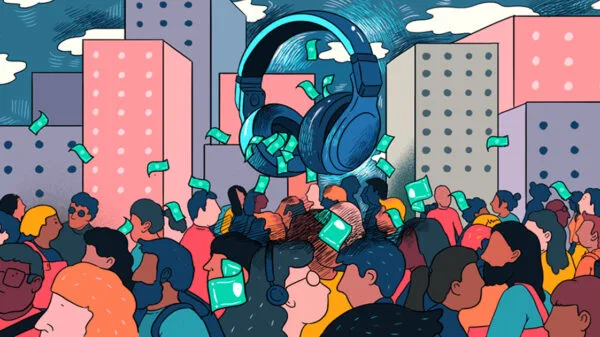



In a first-of-its-kind effort for India’s music ecosystem, Global Music Institute (New Delhi) and TATVA, in collaboration with Goldsmiths, University of London and UK-based data specialists Creative Empirical, have launched ‘It’s Time to Talk’ — a nationwide survey aimed at understanding the scale and nature of mental health challenges faced by musicians and music industry professionals in India.
The research seeks to uncover how factors like workload, financial instability, creative pressure, and stigma impact the mental well-being of those working in music — from performers and producers to managers, educators, and crew. The initiative’s goal is simple but urgent: to gather credible data that can help build a safer, more empathetic, and sustainable ecosystem for Indian musicians.
A First Step Toward Systemic Change
For years, mental health conversations within India’s music community have remained fragmented — confined to individual experiences, social media posts, or isolated support efforts. ‘It’s Time to Talk’ represents a collective step forward. At the end of the study, the team plans to host roundtable discussions with industry stakeholders to co-create tangible, data-driven interventions and resources tailored to India’s diverse music landscape.
Globally, similar studies have led to the formation of dedicated mental health advocacy bodies. This survey hopes to do the same for India — laying the foundation for an independent, representative body that can advocate for the rights and well-being of musicians and professionals in the creative industries.
Industry Voices Behind the Initiative
The research is guided by Shilpi Gupta (Cultural Curator and Co-Founder, Amplify Music Incubator; ex-Red Bull India/Wizcraft/MTV India) and supported by key partners including Indian Performing Right Society (IPRS), Women in Music India, Amplify Music Incubator, and Aurora Collective.
Megha Balani, Executive Director of Global Music Institute, explains:
“At GMI, we believe in nurturing musicians beyond technical training — supporting their emotional and psychological well-being. This research is an extension of that vision. It brings together music, psychology, and academia to address one of the most urgent and under-researched issues in our industry.”
Kripi Malviya of TATVA adds:
“We’ve long witnessed how mental health struggles show up in the Indian music industry. This data will shape policy, improve access to care, and highlight lived experiences that deserve visibility.”
Meanwhile, Dr. George Musgrave of Goldsmiths, University of London, notes:
“The opportunity to learn more about mental health in this dynamic and vibrant music economy — and drive meaningful change through global collaboration — is incredibly exciting.”
Why This Matters
The need for such an initiative is evident. Studies abroad show that musicians experience anxiety and depression at rates up to three times higher than the general population, and have among the highest suicide rates of any profession. In India, artists like Kamakshi Khanna, Hanita Bhambri, and Swarathma have begun voicing their struggles through music — but the lack of data, infrastructure, and institutional support continues to be a serious gap.
By collecting and analysing insights from across the country, ‘It’s Time to Talk’ hopes to bridge that gap and catalyse a shift in how the Indian music industry addresses mental health.
How to Participate
The survey is open to all musicians and music industry professionals aged 18 and above, living and working in India. Participation is voluntary, confidential, and anonymous, and takes approximately 10–12 minutes to complete.
The research team is particularly interested in hearing from those working within the independent and non-film sectors of Indian music — areas often underrepresented in mainstream studies.
By taking part, respondents contribute to shaping the future of India’s music ecosystem — one where emotional well-being and creative sustainability go hand in hand.
🧠 Take the survey here: itstimetotalk.in
📱 Instagram: @ItsTimeToTalkSurvey
🎨 Supported in part by the Hyundai ‘Art for Hope’ grant