


















Chaar Diwaari is one of the most magnetic forces in the current music scene, the kind of artist you find yourself drawn to without even realising it.
The Delhi-based musician is known for crafting intensely layered soundscapes, unapologetic in his experimentation and unafraid to embrace. imperfection. With precise production, striking concepts, and raw storytelling, his work carries a surge of emotion and honesty that defines his sonic identity.
But beyond the sound lies a cinematic universe he has been steadily building throughout his discography, one shaped by emotion, intention, and evolving narrative. It is this seamless blend of music and moving imagery that makes his artistry not just heard, but felt, and nearly impossible to ignore.
What stands out most about him is the emotional breadth. Joy spirals into longing. Chaos settles into stillness. Vulnerability sharpens into defiance. Each emotion isn’t just referenced; it’s explored, given weight, and allowed to breathe across his releases.
In this exploration, we witness Chaar Diwaari’s music and visuals through the prism of Navarasa, following the currents of feeling that flow through his art. But to truly understand how those nine emotions take form, we first need to step inside the universe he’s built, one where sound and image are inseparable.
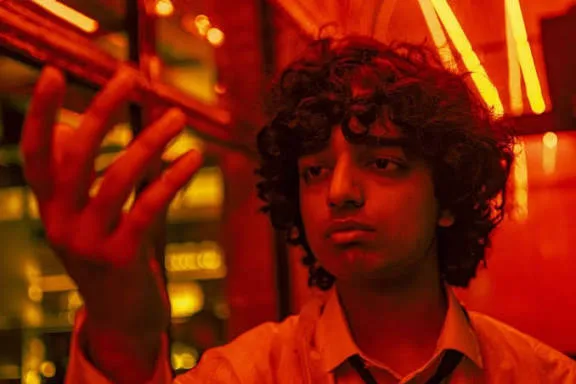
Transforming Sound into Feeling: The Alchemy of Music
Chaar Diwaari operates as a sonic architect and an emotional experimentalist. Rather than following standard structural conventions, he approaches sound as a raw material to be textured, layered, and manipulated until it resonates with the listener on a visceral level. Every track he crafts feels like a shifting landscape, a space where rhythms, harmonies, and abrasive textures collide to mirror the chaotic beauty of human emotion.
By deliberately breaking sonic patterns and challenging listener expectations, he builds environments that are entirely his own, leaving his audience in a state of stunned reflection
Constructing the Abstract: A Psychological Phenomenon – “In the hands of Chaar Diwaari, music becomes a chemical reaction”.
He is a genius of the abstract, using sound elements to trigger something deep within the human psyche.His creations are a masterclass in grit and desertion, where jagged harmonies and dense layers are suddenly punctured by a haunting calmness. This contrast mirrors the complexity of human sight and thought—the friction between the external world and the internal mind.
By following a theme of constant deconstruction, he breaks the traditional mold to manufacture something entirely new with every release. His art is not just heard; it is a visceral experience that leaves the audience raw, shocked, and stunned, forcing them to feel and rethink their own emotional boundaries simultaneously.
From Collaboration to Cinematic Vision
The Evolution of Intensity : His body of work serves as a roadmap for this experimental journey. From the early curiosity found in“kaunMera?” and “Rang,” to the darker, more claustrophobic explorations of his EP “Teri Maiyat,” there is a clear thread of signature intensity. This progression continued through releases like “Jhaag” and “Thehra,” “LOVESEXDHOKA”alongside collaborative efforts such as “Bhool Jaa,” “Roshni,” and “IDENTITY THEFT”
A pivotal moment in this evolution is Diwaari’s recent streak of impactful collaborations, which showcase his ability to bridge the underground with the iconic. From the gritty, fugitive-like energy of “Farebi” with Raftaar to the unexpected, soul-stirring fusion of “Iss Tarah” with the legendary Sonu Nigam, Diwaari is proving that his sonic language can translate across generations and genres.
His work on “Banda Kaam Ka “with Sanjith Hegde further cements this, blending his avant-garde sensibilities with infectious, rhythmic precision. These aren’t just features; these are artistic masterpieces that explore the friction perception and internal reality, setting the stage for his highly anticipated EP, Parvana.
It is impossible to talk about Chaar Diwaari without acknowledging him as a filmmaker. His music videos reveal an artist who understands visual language as deeply as sonic composition. Each video carries a unique identity, built on experimental theories and layered storytelling that challenge conventional music video aesthetics. His approach to filmmaking mirrors his sonic philosophy—textured, deliberate, unafraid of complexity. He takes on creative challenges that most wouldn’t attempt, like crafting an entire one-shot music video that demand technical precision and unwavering vision. His work operates as total cinema, where sound and image don’t just complement each other but fuse into a singular artistic statement. The result is a body of visual work that stands on its own, proving that for him , filmmaking isn’t an accessory to his music it’s an equal pillar of his artistic identity. Absolute cinema.
The Framework of Navarasa
In the ancient Indian performing philosophy of art, this way of creation has a name. It is called Navarasa, the nine core emotions that together form the complete spectrum of human experience. For centuries, artists have used this framework to create work that doesn’t just express feeling, but maps it fully. That is exactly what Chaar Diwaari’s discography achieves. Whether intentional or instinctive, his work moves through joy, sorrow, fear, courage, anger, disgust, wonder, peace, and love, not as isolated moments, but as threads in a larger emotional arc.
Shringara (Love/Beauty/Desire) : Thehra
Shringara Rasa, traditionally centered on attraction and the charged gaze between lover and beloved, finds a distinctly modern expression in Thehra. In today’s world—where love is often mediated through screens, curated images, and aesthetic self-presentation Chaar Diwaari’s deliberate styling becomes significant. The jewelry, metallic textures, and sharp silhouettes reflect alankara, the classical idea of adornment, but in a contemporary context they also echo how desire is now constructed and performed. To be desired today is to be visually intentional.
Yet Thehra is not only about being seen; it is about wanting to be truly recognized. The title itself suggests emotional suspension—a pause in a hyper-fast world. In an era of instant messaging and fleeting connections, the idea of stillness feels radical. The track embodies Vipralambha Shringara, where longing and waiting intensify love rather than weaken it. The emotional pause becomes a form of resistance against disposability.
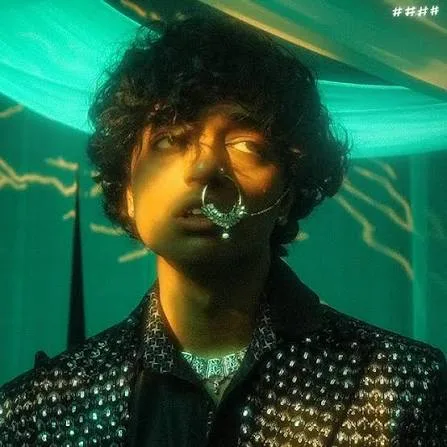
The music video reinforces this modern tension. Lovers are shown running, fighting, and resisting forces that pull them apart. These sequences mirror contemporary relationships, where love often exists under pressure—whether from ego, ambition, insecurity, or external judgment. The conflict does not negate desire; it amplifies it. Attraction today is rarely calm; it is layered with anxiety, urgency, and the fear of loss.
In this sense, Thehra reinterprets Shringara for the present generation. It captures a form of love shaped by self-awareness and image culture, yet still rooted in the timeless need for connection. Desire becomes both aesthetic and emotional part performance, part surrender. Love is no longer just about union; it is about choosing to stay, even when running away might be easier.
Adbhuta (Wonder/Amaze) : Rang
Rang captivates with Adbhuta’s core of astonishment, unraveling a philosophical quest for identity that leaves listeners marveling at the self’s infinite layers. Chaar Diwari paints a world where color symbolizes elusive selfhood, echoing ancient ideas like the Ship of Theseus each verse questions what remains when life’s “rang” fades, evoking wide-eyed wonder at human reinvention.
The track plays with this idea sonically. The production feels atmospheric and suspended, almost weightless, creating the sense of existing in open space. Within that spaciousness, textures shift and tones intensify, mimicking the sudden emergence of vibrancy in an otherwise neutral field. The music does not overwhelm; it unfolds, allowing surprise to build gradually rather than erupt instantly.

Visually, the music video shows a dream-like story—a man chained up breaks free and runs through bright flashbacks started by a mother’s gift of a red rose. This change from black-and-white emptiness to colorful life brings a deep sense of wonder at emotional change.
Rang, channels the element of Adbhuta Rasa for the contemporary audience. In a world oversaturated with constant visuals, the track reframes wonder not as excess, but as discovery within void. It suggests that awe does not come from noise alone, but from recognising colour in what once seemed blank—finding expansion within the invisible fabric of space itself.
Bibhatsa (Disgust/Aversion) : Jhaag
Jhaag captures Bibhatsa’s essence of disgust through its scathing critique of superficiality and fake personas in modern society, evoking a visceral loathing for hollow trends. Chaar Diwari dissects the “foam” (jhaag) of fleeting fame and toxic influences, mirroring the rasa’s aversion to moral decay and self-deception that turns the stomach.
The sound design oozes unease: dark, fizzy synths paired with thick, sticky bass create a foamy mess that swells into sickening beats, while rough voice effects scrape like an itch you can’t scratch. This grimy audio layer highlights the song’s gross core, pushing you to face the nasty truth square on.
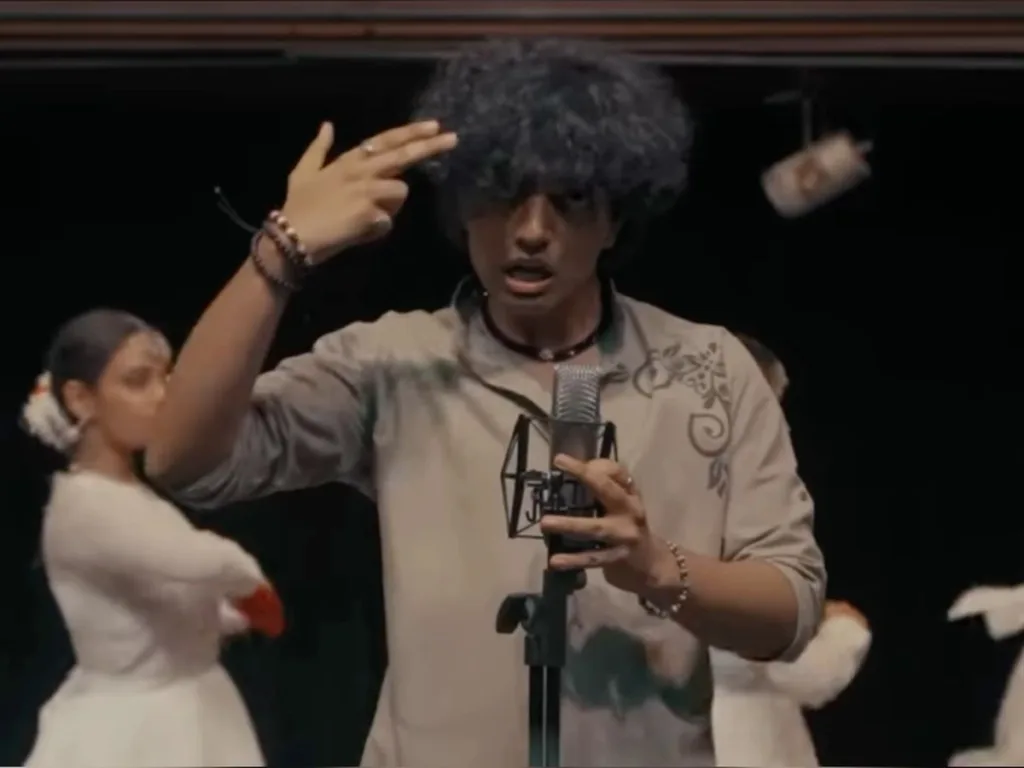
The narrative dives into scorn for status-seekers and backstabbers, using lyrics that mock the “jhaag” as it swells and pop, sketching pictures of disloyalty and empty pride that twist your mouth in contempt, just like pulling away from something spoiled.
Bibhatsa aligns perfectly since “Jhaag” flips sharp criticism into a purging sense of revulsion, connecting with Chaar Diwari’s gritty style and pushing listeners to ditch the distasteful for real genuineness.
Bhayanaka (Fear/Horror) : Kaun Mera?
Bhayanaka is the cold touch of dread. In “Kon Mera?”, fear is derived from total isolation and the erosion of the self. The track is an existential horror story, where sparse arrangements and echoing silence evoke the feeling of standing on the edge of a void.
The video is gore-streaked and claustrophobic. High-contrast lighting and heavy shadows unsettle the viewer, making the imagery of physical distortion a metaphor for mental trauma. Diwaari projects the terror of being hunted by his own reflection.

Production deepens the terror with barren lo-fi beats and whispering vocals that fade into nothingness, crafting a soundscape of abandonment where every pause feels like the walls closing in. Chaar Diwari’s raw delivery heightens the track , turning personal paranoia into a shared nightmare of losing one’s anchor in the world.
Bhayanaka locks in perfectly with “Kaun Mera,” alchemizing raw vulnerability into gripping terror that echoes Chaar Diwari’s genius for unmasking the soul’s darkest corners, leaving fans gripped by introspective chills.
Hasya (Mirth/hilarity ) : Enjaay
Hasya erupts in gleeful mockery as “Enjaay” lampoons the manic pursuit of fleeting “energy” highs that inevitably flop, capturing life’s comical overreaches. The song’s core meaning centers on satirizing contemporary hype culture. endless quests for ephemeral thrills that collapse like deflated hype transforming exasperation into unrelenting amusement.
Audio antics fuel the laughs with erratic hi-hat flurries mimicking stumbled steps, warped vocal warbles resembling muffled chuckles, and bouncy bass wobbles suggesting a jester’s fall. These elements form a soundtrack of whimsical folly, where each glitchy drop hits like a precise comic tumble, heightening the exuberant disorder.
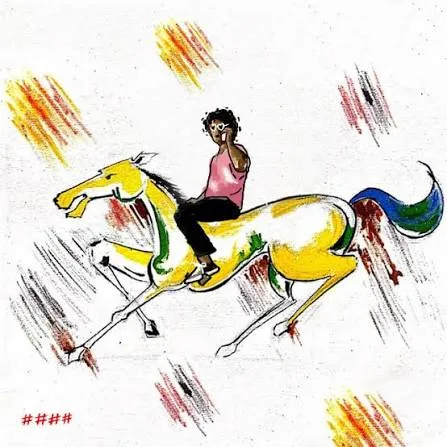
The music video intensifies the comedy via a barrage of overstated blunders: figures skid on absurd obstacles amid mock dance battles, contort faces during vain poses, and pursue elusive “enjaay” in a vibrant, distorted playhouse. These amplified antics illustrate the track’s motif of inflated excitement unraveling, aligning visual mishaps with words to elicit hearty laughter at universal folly.
Hasya crowns “Enjaay” by masterfully blending its zany audio tricks, satirical bite, and visual antics into a joyous explosion that immortalises life’s bloopers, sparking endless chuckles long after the music fades.
Raudra (Fury/Anger ) : Garam
Raudra is the explosive heat of rage. “Garam” encapsulates this boiling point with aggressive basslines and high-pressure vocals. The track is built on an industrial-punk skeleton, utilizing heavy distortion and a fast-paced tempo that feels like a heartbeat under extreme duress.
Visually, the track is saturated in an aggressive, high-contrast palette that suggests thermal intensity and raw friction. The music video uses hyper-kinetic editing and extreme close-ups, creating a claustrophobic pressure-cooker effect. This mimics the feeling of internal combustion, where the artist is setting the very air on fire through sheer force of presence.
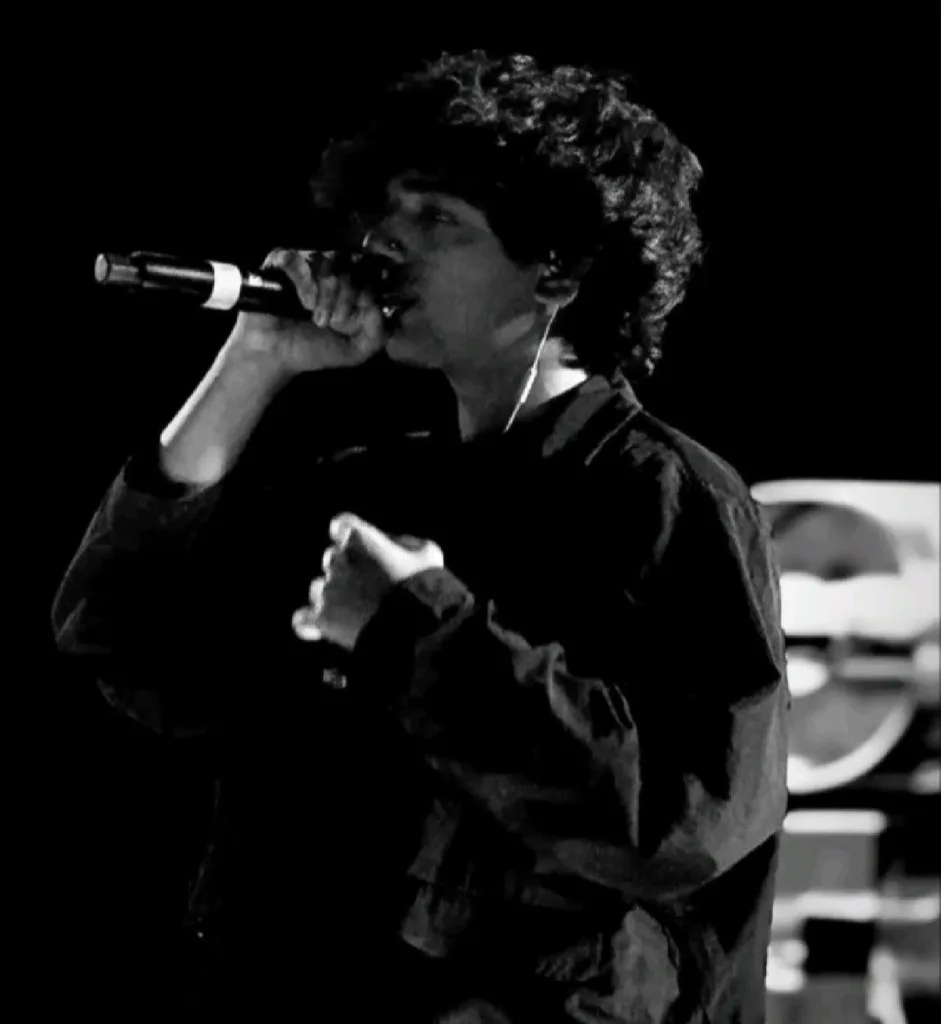
This is not rage for spectacle. In their hands, anger transforms into a purifying, creative force. The heat reflects the struggle embedded in Delhi’s streets, embodying the grit of urban survival. Chaar Diwaari’s textured delivery and Rawal’s abrasive tonal edge work in friction against the beat, creating a soundscape that is intentionally confrontational and raw.
Lyrically, Chaar Diwaari introduces a striking structural device counting backward from twenty to one. This reverse chronology is not a gimmick; it functions as narrative architecture. As the numbers descend, he reflects on life choices, milestones, and achievements mapped to specific ages. The countdown mirrors escalation—the closer it gets to one, the greater the tension. It feels like a ticking detonator, transforming Raudra from chaotic rage into a calculated explosion. The anger here is measured, intentional, and self-aware.
Karuna (Sorrow) : Teri Maiyat Ke Gaane
Karuna is the soul’s response to the transience of life. In the EP “Teri Maiyat Ke Gaane” (Songs for Your Funeral), Chaar Diwaari transforms the concept of sorrow into a sprawling, multi-chapter exploration of grief. Rather than a single track, this entire body of work serves as a funeral rite for the self, exploring the weight of loss and the inevitability of the end.
The project is steeped in a melancholic, misty atmosphere, where the metaphor of the “mitti” (soil) acts as a recurring theme of return. Lyrically, the EP navigates the stages of mourning from the initial shock of absence to the quiet, heavy acceptance of decay. This project has a deep empathy for the fragility of the human condition, making the listener a participant in his own wake.
four tracks—“Mera Saman Kahan Hai?”, “Kya”, “Aankh Band”, and “Mitti” ft Arpit Bala, Mc kode, & Yashraj form a cohesive narrative arc of existential grief. It is a “rage-fueled trip into a broken man’s psyche,” where sorrow is not a quiet tearsheet but a violent, gritty deconstruction of the self.
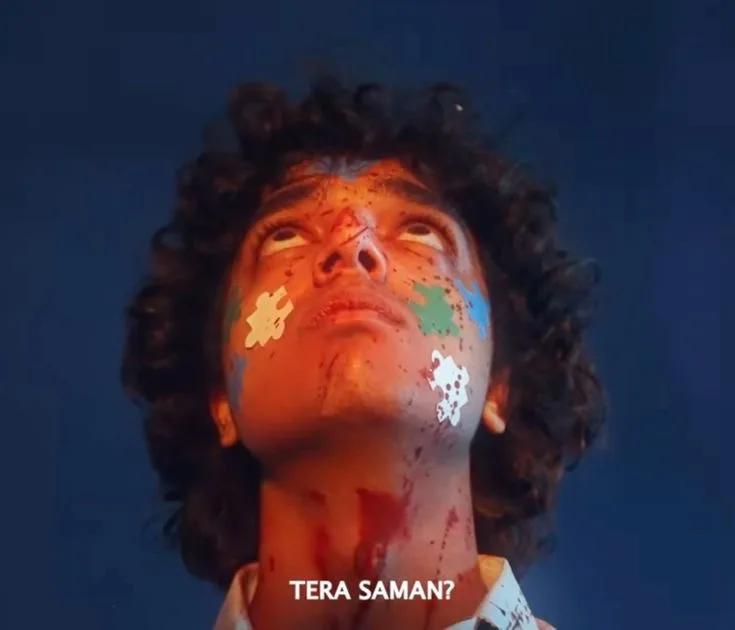
The EP concludes with the masterful “Mitti” (featuring Yashraj), which serves as the final burial. The metaphor of the earth is central here—the realization that everything eventually returns to the soil. The music video for “Mitti” captures this perfectly with its misty, melancholic atmosphere and imagery of burials, turning the physical act of return into a spiritual statement.
Ultimately, Karuna in this EP is about the dignity found in acknowledging decay. By conceptualizing his debut as “Diwaari honors the end of one version of himself to make room for the next. It is a cinematic experience that leaves the audience raw, reminding us that the deepest sorrow often carries the most primal, creative energy. In the finality of the “mitti,” the artist finds a shared humanity that is as heavy as it is healing.
Shanta Rasa (Peace) : Mujhko Mila
Shanta is the clarity found when the noise stops—the ultimate state of detachment and spiritual rest. In “Mujhko Mila,” a standout collaboration with Karun from the Qabool Hai era, Diwaari’s signature jagged deconstruction gives way to a grounded, serene composition. The track represents a rare moment where the “Chaar Diwaari” persona breathes, moving through open, uncluttered sonic spaces to find relief in what was once lost.
The production, led by Arsh Sharma , provides a lush, atmospheric bed that is a stark departure from Diwaari’s usual frantic energy. It is a masterclass in restraint, where the soul finally connects with a peace that feels as vast as deep space. The melody doesn’t fight for attention; it floats, allowing the listener to settle into a state of meditative calm that is usually absent from the Delhi underground’s chaos.
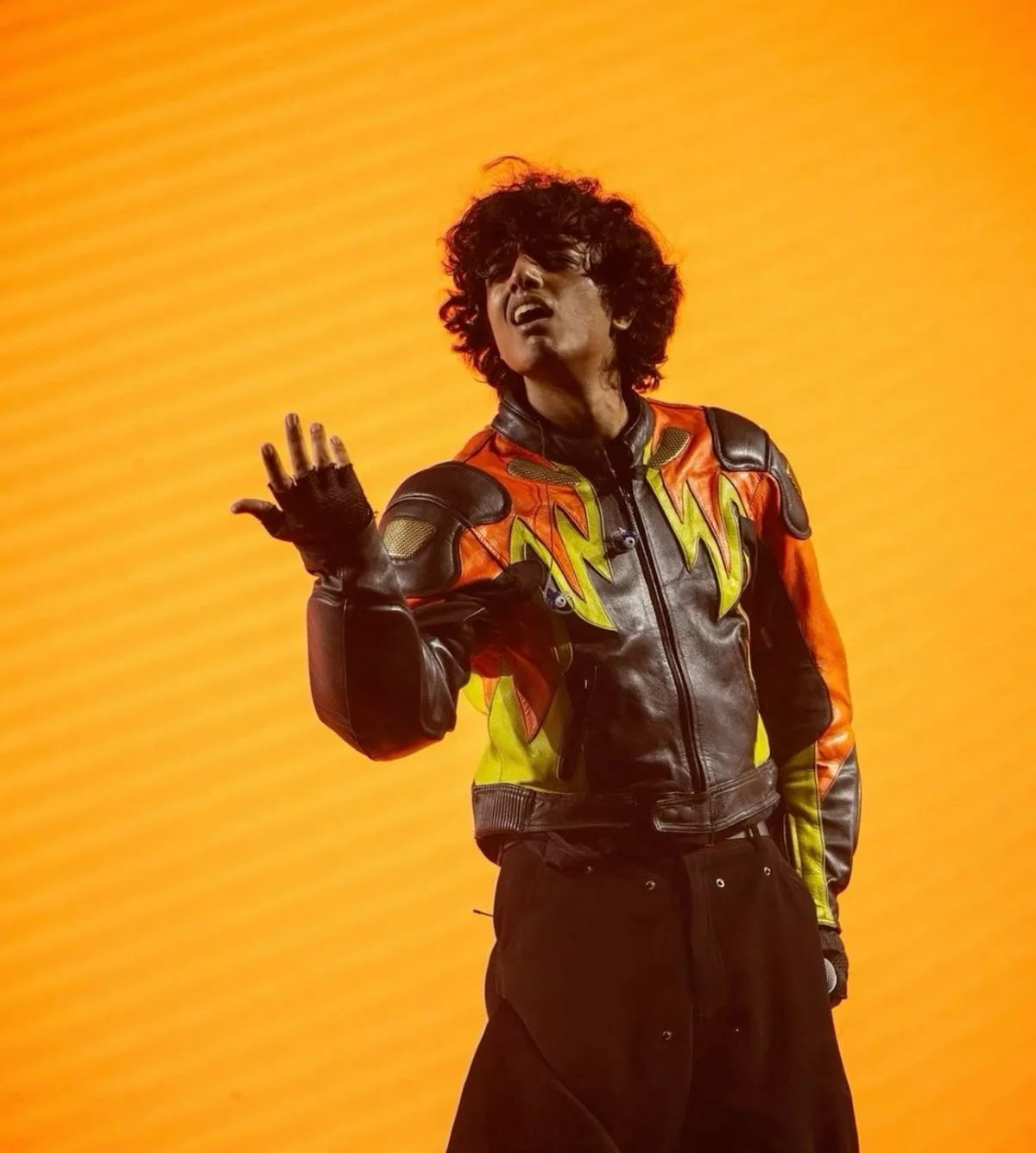
Lyrically and vocally, the collaboration with Karun adds a layer of vulnerability that is open rather than defensive. The chemistry between the two artists creates a “safe house” within the music, a place where the listener can retreat after the emotional exhaustion of the other Rasas. Diwaari’s delivery here is hushed and melodic, stripping away the mask of the industrial-punk rebel to reveal a creator who is finally at home with his own thoughts.
This sense of resolution is no coincidence; “Mujhko Mila” serves as the final, closing track on Karun’s landmark album, Qabool Hai. This placement reinforces Shanta as the destination of an emotional odyssey—the definitive calmness that arrives only after every internal storm has been weathered. It proves that peace isn’t simply the absence of noise, but the intentional integration of silence. It remains his most profound study in the beauty of detachment, reminding us that even the most volatile spirits require a moment of absolute, undisturbed clarity to survive.
Veera (Heroism) : Violence
Veera Rasa emerges from utsaha — the courage to act, confront, and stand firm. In “Violence,” Chaar Diwaari and Gravity channels this rasa not through physical combat but through verbal confrontation. The lyrics are direct, unapologetic, and unfiltered. There is no attempt to soften the blow. Instead, the artist openly calls people out, challenges hypocrisy, and asserts his stance without fear. This fearless articulation becomes the modern embodiment of Veera — bravery expressed through speech.
The lyrical construction itself carries a tone of dominance and control. The lines are not written from a place of hurt or victimhood; they are delivered with certainty. This is where the distinction between Raudra and Veera becomes important. While anger may exist within the track, it is structured and purposeful. The courage lies in naming realities publicly, in refusing to hide behind metaphors, and in standing by one’s words without hesitation. That unwavering clarity is central to Veera Rasa.
Both artists carry the aura of central protagonists — neither retreats, neither submits. Their energy reflects two heroes standing face to face, challenging each other openly and fearlessly. This clash does not dilute Veera Rasa; it intensifies it. The track transforms into a battleground of ego, pride, and courage, where both figures embody bravery in their own right, fighting not out of weakness, but from strength and self-assurance.
The push-and-pull dynamic that keeps the tension alive throughout the track. The interesting part is that the collaboration between them appears more like a strategic face-off, where both artists are fully aware of their presence, reputation, and impact and lean into it without hesitation.
Together, Gravity and Chaar Diwaari create what feels like a duel of equals. Neither overshadows the other; instead, they heighten the tension through competition and conviction. The track becomes a battleground of reputation and self-belief, where courage lies in speaking openly, naming opposition, and accepting consequences without fear. In this way, “Violence” translates classical heroism into a contemporary context where bravery is defined by fearless articulation and unapologetic
The Full Spectrum Of The Origin
The theory of Navarasa finds its roots in the Natya Shastra, an ancient Indian treatise on the performing arts attributed to the sage Bharata Muni. It posits that there are nine fundamental “essences” or flavors that dictate the human experience. While these concepts are thousands of years old, they remain startlingly relevant because the human psyche, at its core, hasn’t changed.
Chaar Diwaari’s brilliance lies in his ability to instinctively align with this ancient emotional architecture. He doesn’t just make music; he creates an emotional ecosystem. By mapping his discography to this “Navarasa theory”we see that his “experimental” sound is actually a highly sophisticated study of the 2,000-year-old Indian art philosophy which happens to be the core of performing art and expressions.
Closing statement
As we conclude this journey through the nine emotions of Diwaari, right now, the central focus in his Artistic journey is his upcoming EP Parwana
It will be interesting to witness this next evolution, as the Parvana is set to take off this month. With two songs—“Banda kaam ka “ and “Iss Tarah”—already out and reshaping the sonic landscape, the momentum is undeniable.
The EP is based on the infamous theory of Shama and Parvana where The parvana (moth) is famously drawn to the flame, a symbol of ultimate sacrifice and intense, singular focus. Having navigated the storms of fury, fear, and sorrow, Diwaari seems poised to enter a phase of total creative immersion with this upcoming project.