







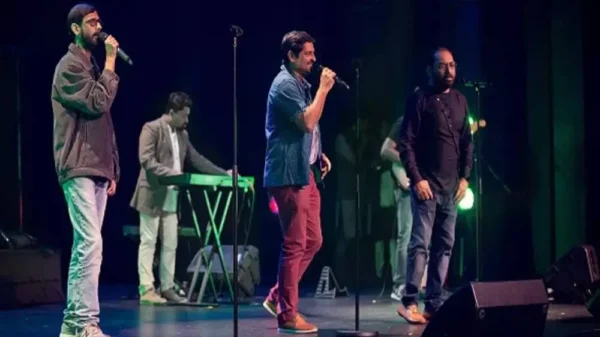

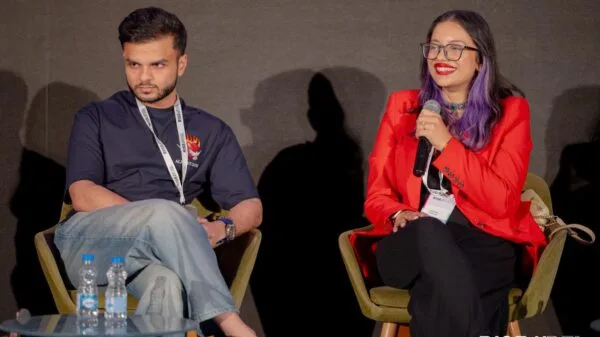

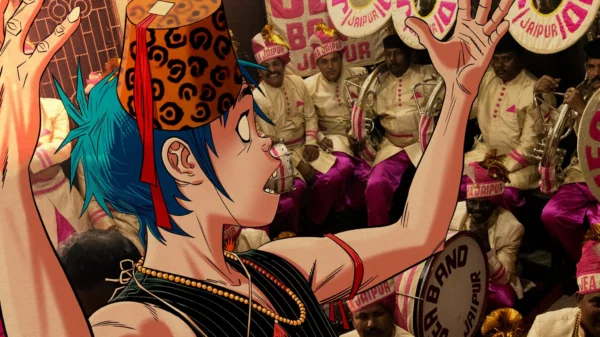

The Indian indie music scene today is a fascinating mix of rebellion, reinvention, and rediscovery. In a country where Bollywood has long dominated the sonic landscape, the rise of independent music has been like a breath of fresh air that’s raw, experimental, and deeply personal. But as the scene grows, an important question continues to linger: are Western influences shaping Indian indie music a sign of cultural imperialism, or are they simply a form of creative collaboration?
To understand this, it helps to look back. Western music did not arrive with YouTube or streaming platforms; it has been filtering into India since colonial times. The British brought orchestras, hymns, and military bands, and later, rock and pop found eager listeners through radio and cassette tapes. But it was the liberalization of the 1990s that truly broke open the gates. With MTV, VH1, and easier access to instruments and technology, young musicians were suddenly surrounded by a new sonic world. Anyone with a guitar and a laptop could now experiment with sounds that felt both foreign and liberating.
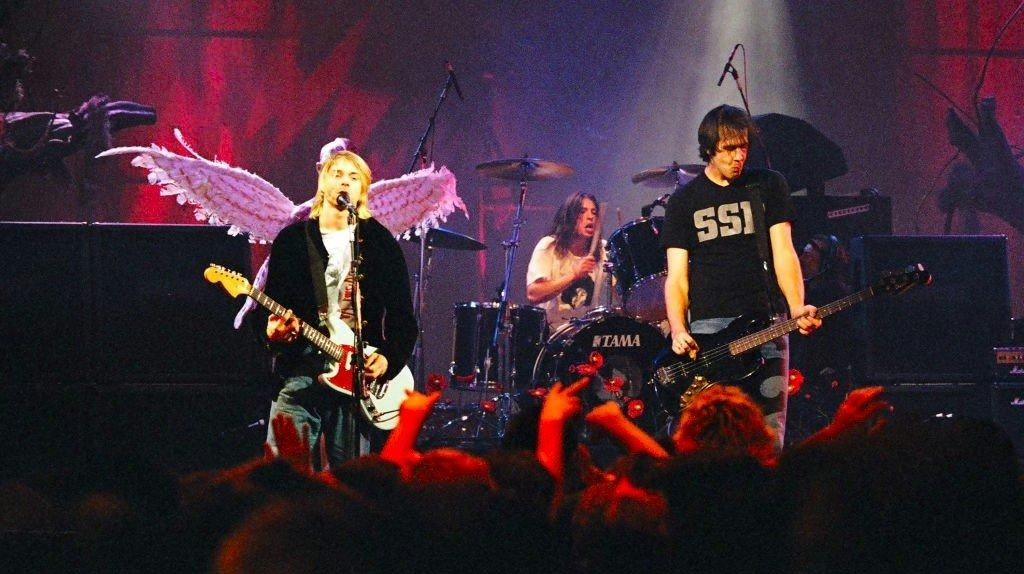
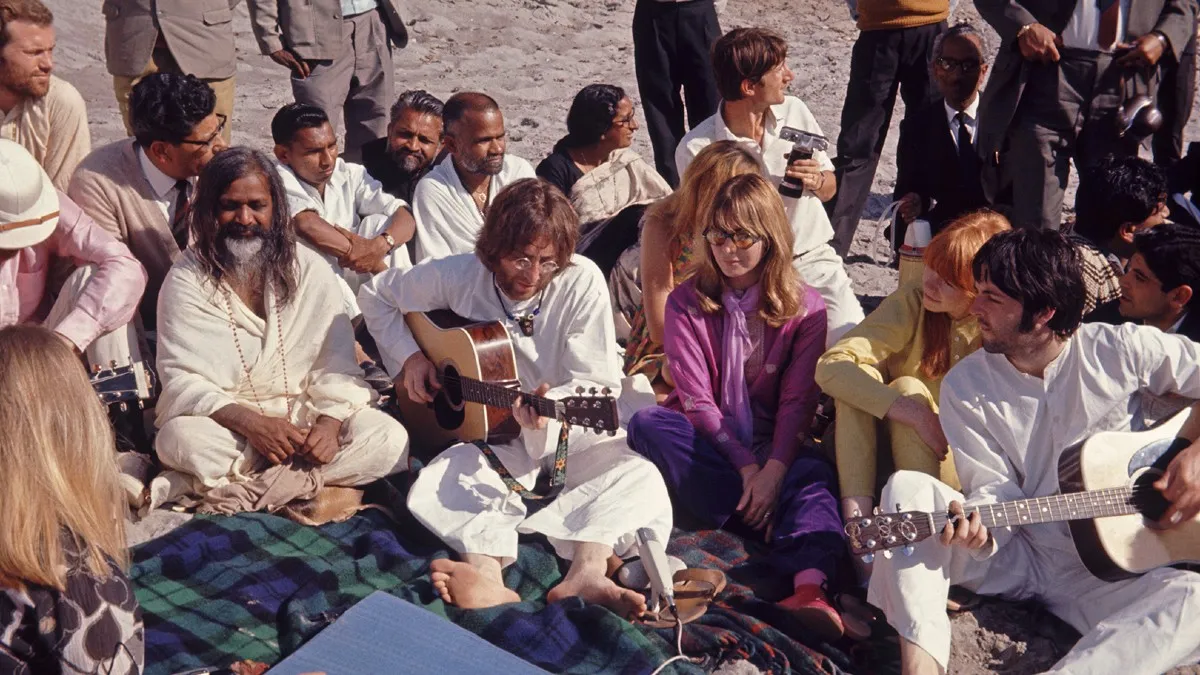
The first generation of Indian indie artists grew up on a steady diet of The Beatles, Nirvana, and Radiohead, and it showed in their sound. Many early bands began by covering Western rock classics before evolving into more original projects. Even today, the traces are unmistakable; English lyrics, guitar-driven arrangements, and Western production techniques dominate much of the scene. Yet, it would be unfair to dismiss this as blind imitation. In fact, what we are witnessing is less a case of cultural imperialism and more an act of translation where Indian artists are taking the language of Western music and giving it their own accent.
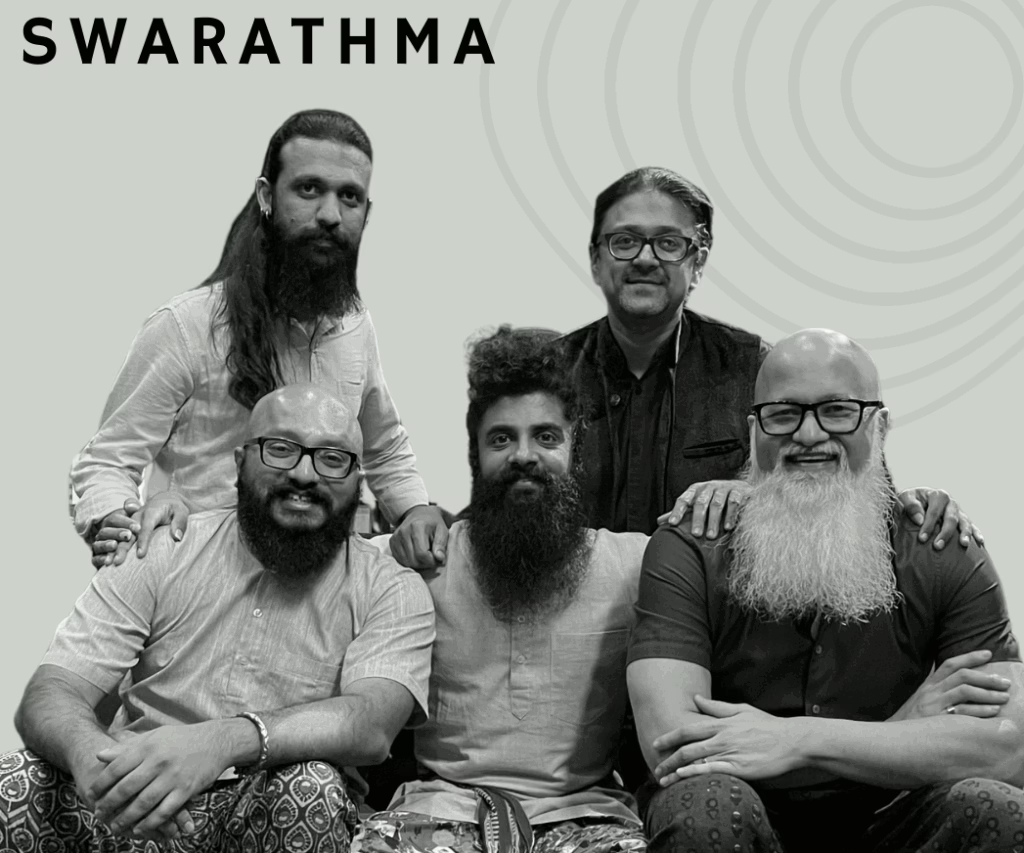
Take a band like Swarathma, whose music blends Indian folk and classical elements with rock, reggae, and blues. They don’t simply “add” Western elements to Indian sounds; they fuse them in a way that feels organic, emotionally resonant, and deeply rooted. Similarly, indie artists across the country are experimenting with bilingual lyrics, regional folk melodies, and even classical ragas within Western frameworks of production. This hybrid approach doesn’t erase local identity. Rather, it amplifies it, making Indian indie a space of collaboration rather than domination.
Here, it’s worth mentioning acts like Jatayu and Parvaaz, who push this hybrid identity even further. Jatayu blends Carnatic ragas with prog-rock, jazz, and funk to create music that is unmistakably modern yet deeply tied to South Indian musical grammar. Their guitar phrasing mirrors Carnatic vocal improvisations, while their rhythmic structures draw straight from classical tala cycles. On the other hand, Parvaaz takes Western psychedelic rock and blues influences but merges them with Kashmiri and Urdu poetry, creating a soundscape that feels both global and rooted in regional storytelling traditions.
That said, the conversation around cultural imperialism isn’t misplaced. There’s no denying the structural imbalance in how Western music circulates globally. Western music industries have historically held more economic and symbolic power, with larger labels, better marketing, and greater visibility. Indian artists often find themselves having to appeal to global algorithms that privilege Western pop aesthetics. Platforms like Spotify and YouTube, for instance, often push tracks that already fit global sonic trends, influencing what “works” and what doesn’t in the indie space. This can subtly pressure artists to sound a certain way and cater to international palates.
Still, it’s important to remember that culture has never been static. Indian music has always been an evolving dialogue between influences, whether it was Persian sounds during the Mughal era or jazz inflections in Hindi film music of the 1960s. What’s happening in the indie scene today is part of that same song, just in a different key. Artists are not passive recipients of Western norms; they’re active participants, choosing what to adopt, what to reject, and how to reframe it. In doing so, they challenge the very idea of cultural purity that the term “imperialism” implies.
Interestingly, the indie scene has also become a platform for reasserting regional and linguistic diversity. Artists from across India are singing in Tamil, Telugu, Assamese, and Marathi, often pairing these languages with Western-inspired soundscapes. It’s a powerful reversal that is taking a global form and filling it with local stories. This blending of worlds is perhaps what defines the spirit of Indian indie today: it’s not about where the sound came from, but where it’s going.
In the end, the question of whether Western influence on Indian indie is imperialism or collaboration may not have a single answer. It exists in a gray space, one where imitation meets innovation, and adaptation becomes identity. Yes, Western genres have shaped the sonic grammar of the Indian indie scene, but Indian artists are rewriting that grammar every day, inserting their idioms, histories, and voices into it.
Rather than viewing this as a one-way flow of influence, it might be more accurate to see it as a creative conversation, one where cultural borrowing becomes a form of dialogue, not dominance. And if that’s the case, then perhaps the Indian indie scene is not a victim of cultural imperialism at all, but a testament to how collaboration can lead to entirely new forms of expression in a globalized world.