


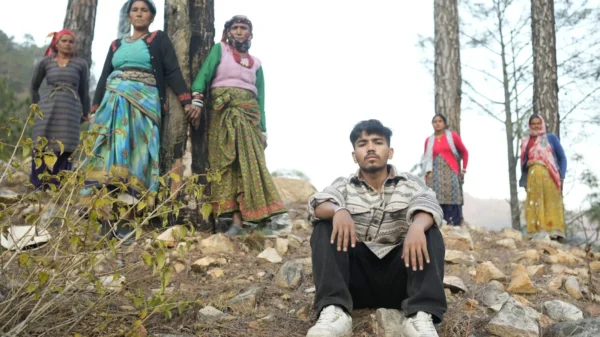










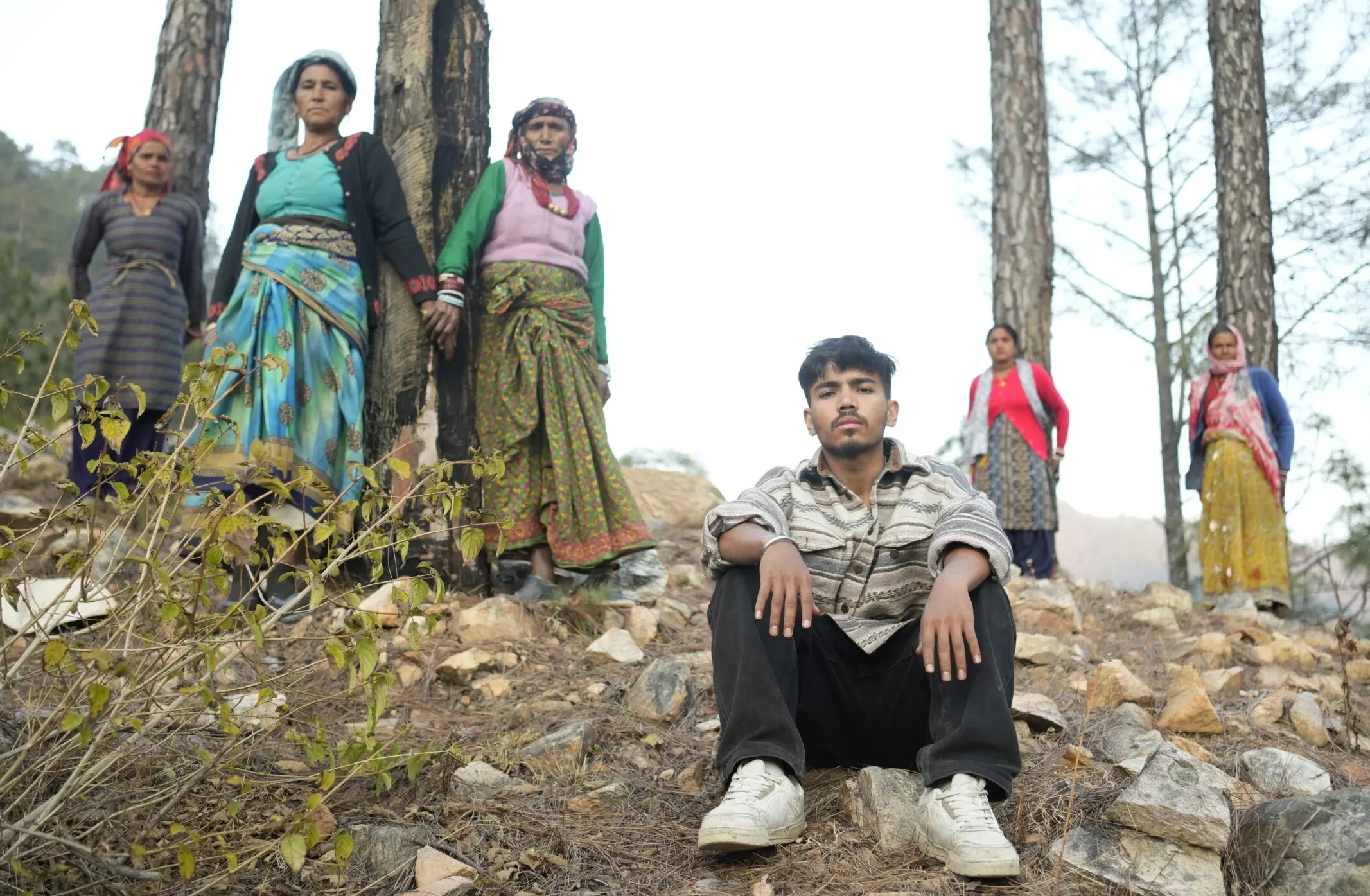

Regional hip-hop projects in India often carry predictable expectations: to celebrate the language, showcase the pride, translate local identity into something nationally consumable & accessible musically. Tarun’s debut project Garhkumaon does something more demanding. Far from shying away, the album stares down politics, youth culture, and crisis in a state split into two identities, and insists they belong in the same conversation.
The 14-track debut runs a tight 42 minutes. The title alone pulls a lot of weight. By merging “Garhwal” and “Kumaon” into a single word, Tarun gestures toward unity within a state that is culturally intertwined yet historically segmented. This is an act of joining, and the entire album is built on this foundation.
The project alternates between intensely personal solo entries and collaborations, widening its emotional and linguistic range. Artists like Lukka Bawa, Priyanka Meher, GHILDIYAL, Flawed, Nikkisha, Saksham Dhyani and Aadiswara appear across the record, contributing immensely to the sound & structure of the project. Production reflects a similar collective ethos. Tarun shares sonic responsibilities with collaborators throughout, and the distributed creative weight gives the album texture.
Walking the State
At the centre of Garhkumaon lies an idea: that of a love that refuses to look away.
Across the record, Tarun writes about migration, institutional neglect, addiction, environmental anxiety, and generational drift. The emotional anchor is the quiet disappearance of what he frames as the “middle generation.” Young people leave for education and employment. Elders remain. Children grow up in villages increasingly shaped by absence.
On the title track, he stitches together images of tenders, violence, addiction, crumbling services, and ecological vulnerability. Yet its chorus insists on unity, repeating “garh kumaon” as an invocation. Division, the song suggests, has become a luxury the hills cannot afford.
The opening track, “Askot Arakot,” frames the album’s architecture in a very meaningful way. The phrase is associated with a once-a-decade foot journey traversing remote villages to understand mountain life up close. By choosing it as the album’s entry point, Tarun situates his project as a traversal.
This sense of movement matters because Garhkumaon is constantly negotiating between memory and change. The hills are evolving geography. Roads expand, forests thin, economies shift. Forest fire incidents have surged across Kumaon in recent years. When Tarun alludes to ecological anxiety, those references land with lived urgency. Throughout, the album beautifully stayss anchored in storytelling.
Sound of the Album
One of the album’s most compelling achievements is its sonic hybridity. Tarun resists treating regional instrumentation as decorative sampling. He integrates texture into structure. “Bisht Ji, Bass and Bagpipes” is the clearest example. The track pairs heavy low-end hip-hop production with a bagpipe element that feels so refreshing and makes for an earworm tune.
So much of the production relies on the intricate layering of classic instruments over modern beats, and the balance is what makes this album feel unlike anything else coming out of the Indian hip-hop scene right now. Bagpipes hum alongside heavy bass. Folk rhythms pulse beneath programmed drums. Ceremonial textures sit inside tracks that knock hard enough to work in any playlist.
Curated Features
The collaborative tracks expand the album’s emotional range with purpose. “Kaamkaji Balak” with Lukka Bawa introduces a working-class lens. “Thoda Aur” with Shrey and Jai deepens the introspective mood. “Hunkaar” with GHILDIYAL and Jai channels collective energy.
The title track features an impressive ensemble with UNIYAL, Soumya Rawat, Nikkisha, and Flawed, each bringing the best of their strong suits into one sucker punch of a head-nodding hit. The production bounces between weight and melody, and the verses stack on top of each other with a momentum that makes the six-minute runtime feel heavenly. It’s one of the album’s most replayable tracks.
“Mero Mann” stands out. Featuring Priyanka Meher alongside Flawed and Aadiswara, the song bridges generational and stylistic divides. Meher’s voice carries familiarity for listeners in pahadi music circles, and its pairing with Tarun’s rap cadence feels wholly organic. The song opens emotional space within the album’s heavier political passages, reminding listeners that longing, romance, and vulnerability coexist alongside civic frustration. The softer songs give the album room to breathe between the heavier ones.
A Debut with Weight
As a debut, Garhkumaon shows unusual discipline. Production stays varied yet tonally aligned. Lyrically, Tarun balances anger with affection, infusing the album with a love story that is adult in its complexity and largely relatable to inhabitants across the state.
At its core, this is a record about staying present. It argues that art can function as a witness and archive the times we’re living in with a critical view. By not romanticising the mainstream allure but at the same time catching all by it’s incredible sound & rhythm. By the time it closes, you carry a sense of having travelled through contested terrain, a long walk grounded in lived experience, shaped by collaboration, and sharpened by political awareness.
In bringing Garhwal and Kumaon into one word, Tarun offers us a conversation starter and 42 minutes of proof that the conversation is worth having. This is a debut that knows exactly what it wants to say, and says it without flinching.