












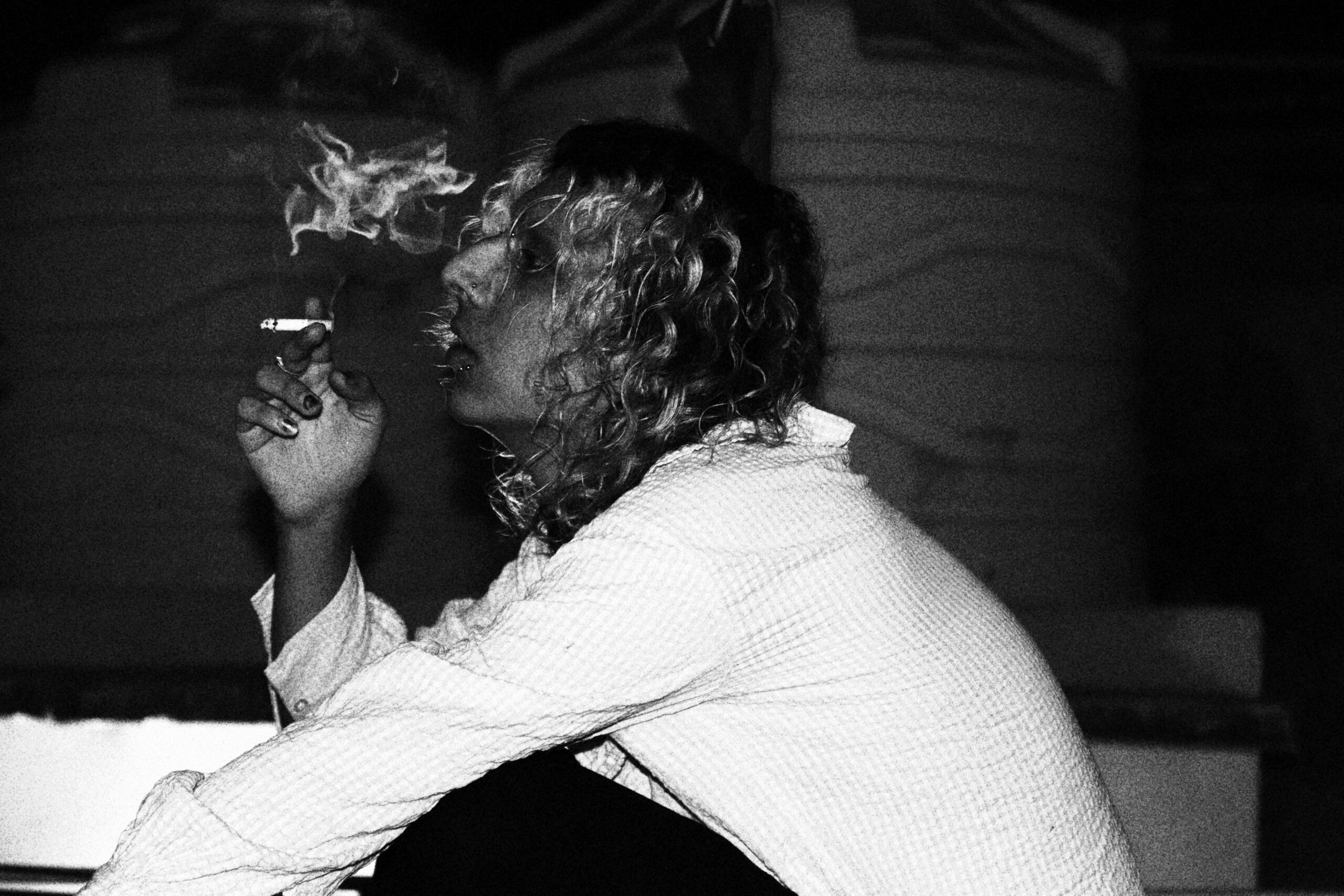

In the press material for keichyna, the artist describes the project to be “a conceptual record rather than a traditional debut, RHAPSODY OF THE EXILED explores identity, power, displacement, and survival through a sound that moves between experimental pop, industrial, alt-rock, and ambient minimalism.” The project is 7 tracks long, spanning 21 minutes, and uses an influx of distorted, textural electronic soundscapes to drive home the artist’s cognitive dissonance with their sense of presence, within the self and the social.
A first listen clarifies and manifests to one what the artist has to opine about their record, “This body of work was not assembled in a straight line. It grew in fragments, in spaces that felt constrictive, in nameless hours and inside silences that felt heavier than sound. It travelled with me through doubt, through quiet revolutions and moments that dismantled more than they revealed. I don’t know if this is an ending or a beginning, only that it is honest. And that it carries every version of me that survived long enough to bring it into existence”. It does not take much for me to understand what the vision is, for the record — there is a sense of visceral claustrophobia which the artist is trying to conjure for their own self, and to manifest into a more tangible form, perhaps to grant it a kind of reality beyond the bounds of the mental.
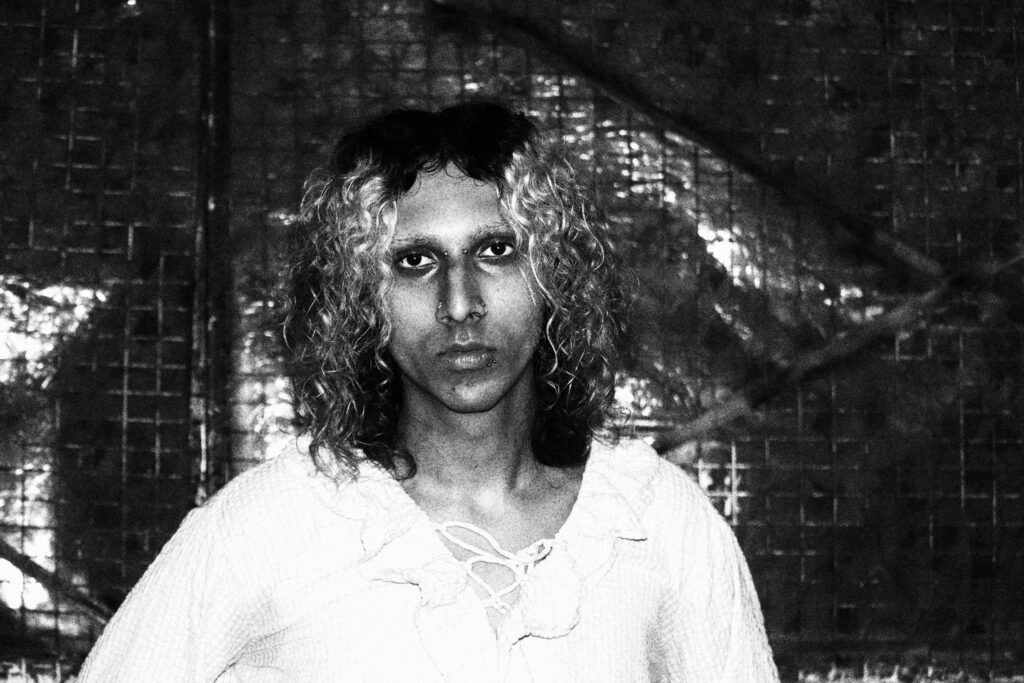
The production and the lyricism are jarring to me, at least in the beginning — with keichyna using iterations of hyperpop, and pairing them up with languidly delivered Hindi penmanship, with references to Masakali and Haseena Parkar, in a drawn out, mostly exhausted voice. The nausea that the artist is trying to build mostly works — especially with a number of repetitive tonalities. One of the most interesting tracks on this album is the opener — SACRED DISOBEDIENCE, which has the producer-songwriter let the production flow unchecked, and not in favor of hooks, and also overall has the most interesting tricks in favor of the audio.
There is a dichotomy to this record — in the sense that its thematic nature also impairs it, slightly. By which, I mean that the entire record keeps with the established idea of conflict, with the sound which you know from the second track on will persist throughout — however, functionally, this entire album could also be one long song — with rhythm breaks and production turns every now and then. A lot of keichyna’s strength lies in the production of the song which is in sharp, almost brutal contrast with the lyricism, with the latter in some places holding them back from completely unleashing the spirit of their sound, which is unarguably their greatest strength.
The record is a good start, and keichyna’s voice and lyricism are integral to the kind of art they are creating — they just have to find a balance where either component does not undercut each other and blend together as true wholes, instead of segmented halves or sections. One can easily surmise that this is not a traditional debut, as keichyna insists, but it is a declaration of aesthetic and ideological territory. A refusal to be sonically domesticated. The next step will require a sharper calibration between text and texture — but the core is undeniably present, and it is promising and powerful for certain.