









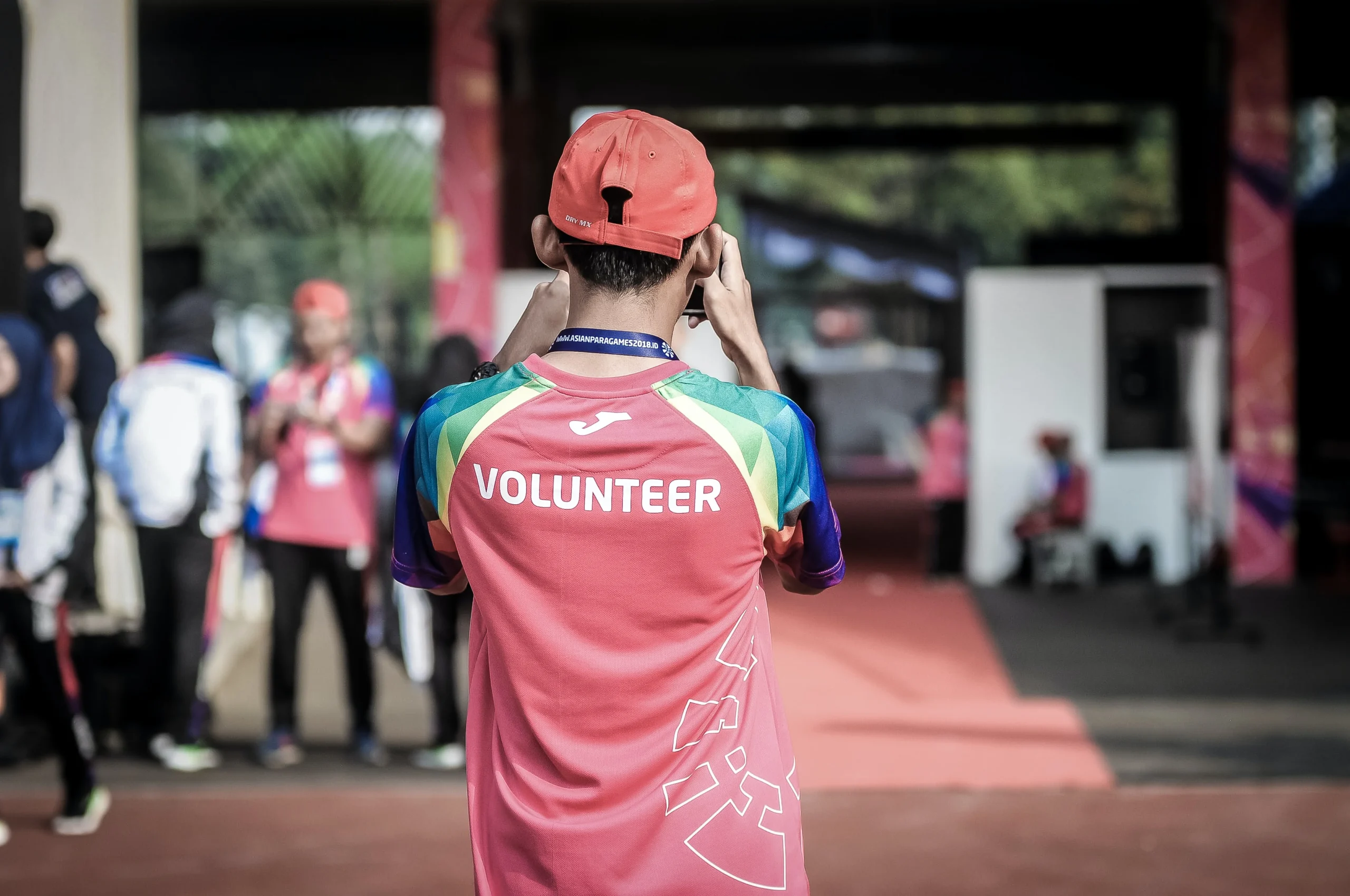

Every festival season in India begins the same way. Lineups drop. Group chats explode. Tickets sell out. And somewhere in the middle of all that excitement, a quieter announcement appears on Instagram stories and Google Forms.

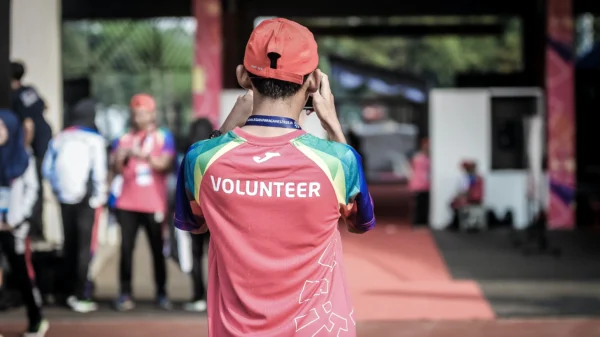
Volunteers needed!
For many young people who want to work in music, this feels like the first real doorway. You imagine being close to the stage, watching soundcheck, maybe even networking with artists or crew. You tell yourself this is how you get in. This is how experience begins.
But talk to enough volunteers, and you start hearing a different story. One that feels less like a stepping stone and more like a test of endurance.
Across the world, volunteers are often described as the heart of festivals. Articles celebrate them as the people who make events possible. One industry feature even calls them the “unsung heroes” of cultural celebrations. And that is true in many ways. Festivals do not run without them.
The problem begins when appreciation turns into dependence.
In India, volunteering at shows and festivals often means long hours on your feet. Ten hours. Twelve hours. Sometimes more. Managing entry gates in the heat. Handling crowd questions. Running errands across large grounds. Carrying materials that you did not expect to carry.
Many sign up thinking they will assist with artist relations or backstage coordination. Instead, they find themselves directing parking, cleaning spaces, or being placed in high-pressure crowd control situations with little training.
One Reddit user who volunteered at two festivals as a student reflected on the experience honestly:
“I volunteered at two festivals with 12-hour work in exchange for a pass. Honestly, I barely got to see anything. By the time my shifts were over, I was exhausted.”
Another wrote:
“Your job will likely just be pointing people towards where to park or picking up trash around the festival grounds. Usually, they let you choose your shift so you can hopefully catch a set.”
There is nothing wrong with any of these tasks. Every event needs them done. The question is not about the work itself. It is about the exchange. It is also about how this exchange is sold. Volunteer calls are often presented excitingly, promising insider access, industry exposure, and chances to connect with artists. The difficult parts of the job are rarely mentioned clearly. What is advertised as being part of the music culture often turns into basic operational work once the event begins, creating a gap between what volunteers expect and what they actually experience.
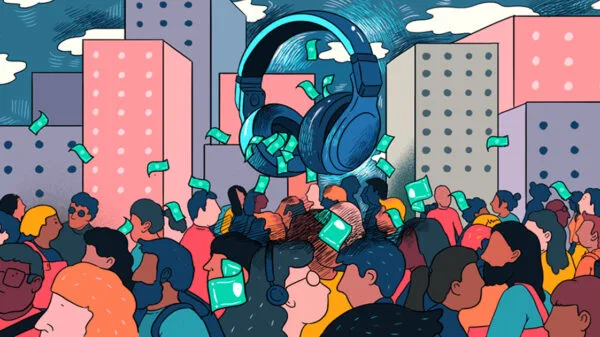
In creative industries, especially music, we have normalised a certain phrase. Experience and exposure. It sounds generous. It sounds like an opportunity. But very often it becomes a substitute for fair compensation. Industry discussions outside India have raised concerns about volunteer roles slowly replacing paid positions. The Ticket Fairy, writing about festival compliance and fair practices, points out that unpaid roles should not substitute essential staff work. When volunteers begin performing core operational duties without pay or protections, the line becomes blurry. In India, where labour conversations in the live music space are still evolving, that blur often goes unchallenged.
This problem also reflects a larger reality within the industry. Many people working in live music already feel overworked and underpaid, from technicians and stage crew to coordinators and junior managers. Tight budgets and long working hours create pressure at every level, and that pressure often moves downward. Volunteers, who are at the bottom of this structure, end up carrying heavy workloads with the least support.
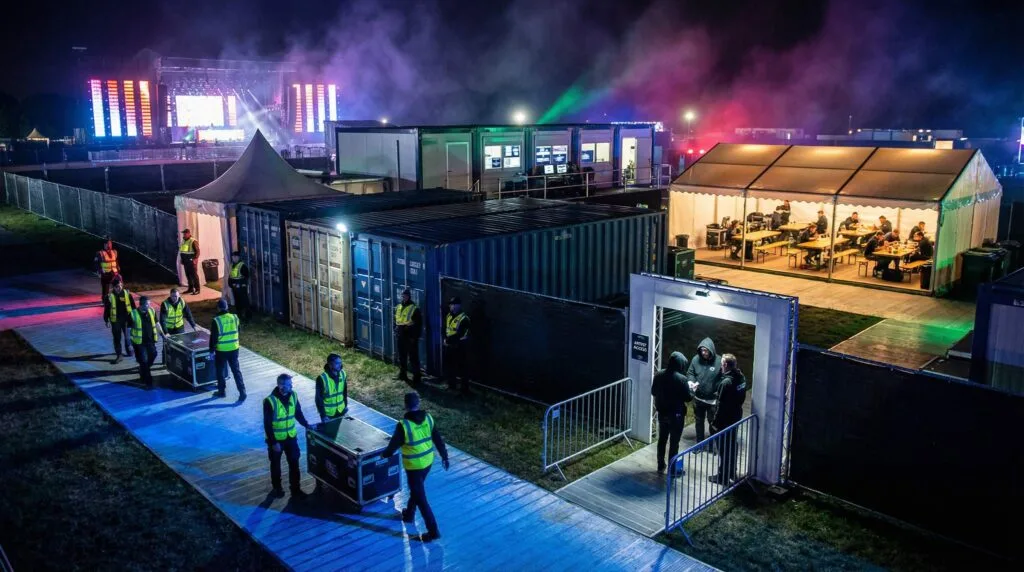
One production designer who volunteered at multiple music events recalled:
“I once walked almost 40 kilometers during a festival, unpaid, according to my Fitbit. Basic things like food, water, or even a small souvenir would make people want to come back. Everyone knows the artists, but nobody knows the people actually building the event, like production and stage teams. I’ve worked without pay many times, mostly for passion and the chance to meet artists who inspire me. But volunteers keep changing because payments are delayed or unclear, and we usually cover our own travel and stay. We handle logistics, stage, hospitality,everything and sometimes we do get to talk and collaborate with artists, which makes it feel worth it. But honestly, there should be some proper selection system and better coordination between departments. Most of the extra stress comes from communication gaps. Sometimes I feel if all volunteers organized a festival themselves, it would be revolutionary. After a point, there’s just no motivation to do it again. It’s not that teams aren’t working hard… but the sad part is, many people behind the scenes are barely getting their bread.”
Many of these festivals are not small community gatherings. They are brand-sponsored, ticketed, and commercially successful events. Yet the people handling guest issues, artist movement, and logistical support are frequently students working for a wristband and a certificate. Beyond the physical workload, there is something else volunteers talk about more quietly. The way they are treated. Stories circulate about unclear instructions, last-minute changes, and coordinators speaking sharply under stress. One account from a large fan convention in Chennai described chaotic management and being publicly reprimanded without proper guidance. The volunteer eventually walked away mid-event, feeling disrespected and disposable. When there is no formal orientation, no clear reporting structure, and no system to raise concerns, volunteers become the easiest pressure valve. If something goes wrong, it rolls downhill.
A volunteer shared their experience regarding their treatment:
“The monetary compensation was quite minimal, but I chose to do it mainly for networking opportunities. I was satisfied with what I gained from the experience because it led to job opportunities and helped me learn a lot about the industry. I believe that when you volunteer, you should be aware that it’s something you willingly sign up for, so expecting guaranteed returns may not always be realistic. That being said, I still feel that volunteers deserve better compensation and recognition for the work they contribute.”
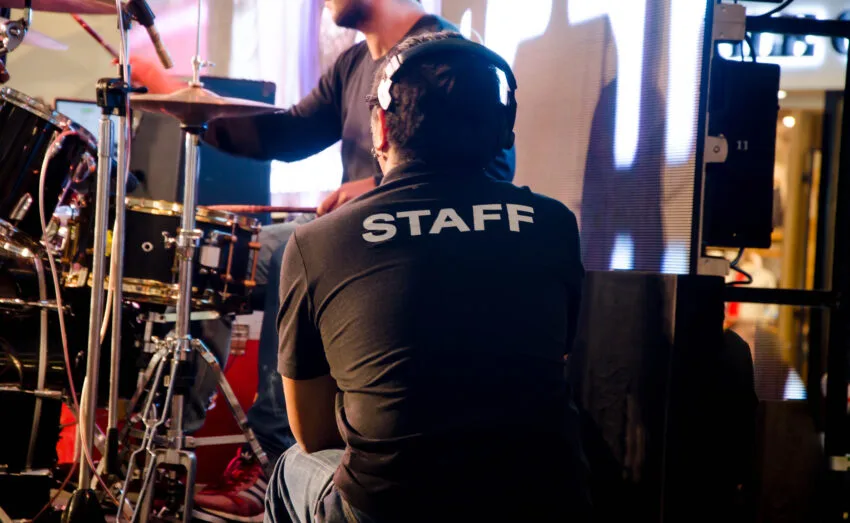
There is also a subtle mindset that shapes these situations. The work given to volunteers is often seen as “less important” work, the kind that managers or senior team members feel too important or too busy to do themselves. Tasks like directing crowds, cleaning spaces, or running logistics are essential for any event to function, yet they are often treated as invisible labour. This creates hierarchy instead of teamwork, even though festivals depend on everyone equally.
The deeper issue is structural. India has a massive number of young people who want to work in music. That passion fuels the industry. It also makes it easy to replace anyone who complains. For every volunteer who leaves disappointed, several more are ready to sign up, hopeful that their experience will be different. And sometimes it is. Some festivals treat volunteers well. Some organizers genuinely mentor, ensure reasonable shifts, and provide food, rest, and clarity. Where that happens, volunteering can be meaningful. It can build confidence and real skills.
But that should be the standard, not the exception.
If India’s live music ecosystem wants to grow sustainably, it cannot rely on goodwill alone. Transparency about roles matters. Clear shift limits matter. Respectful communication matters. If a role looks like paid labour, then it deserves to be treated like paid labour. Loving music should not mean accepting exhaustion and disrespect as rites of passage. Festivals are built on community, shared energy, and collective joy. Volunteers are part of that community. They are not invisible scaffolding. Behind every seamless show is someone who skipped meals to manage a gate, who stood in the sun directing crowds, and who absorbed frustration so the audience could have a good time.
Maybe it is time we start asking whether “exposure” is enough. And maybe it is time the industry listens to the people holding it together from the ground up.