







We often hear that change is the only constant, yet when you pause and look around, it’s hard not to notice that some things stubbornly refuse to evolve. Take music, for instance. The industry has transformed dramatically from vinyl to streaming but one issue has endured across formats, platforms, and eras: getting paid/getting paid on time.
For decades, artists have fought for fair compensation while systems struggle or refuse to keep up. The persistence of this problem raises an uncomfortable question: Have we failed to fix it, or have we simply learned to live with it?
This question surfaces repeatedly in conversations with musicians who do this for a living. Behind the haze of stage lights, smoke-filled rooms, and weekend gigs lies a reality layered with frustration and compulsion, one that often begins to resemble a toxic relationship. There is love, unquestionably, but sometimes it costs more than it heals.
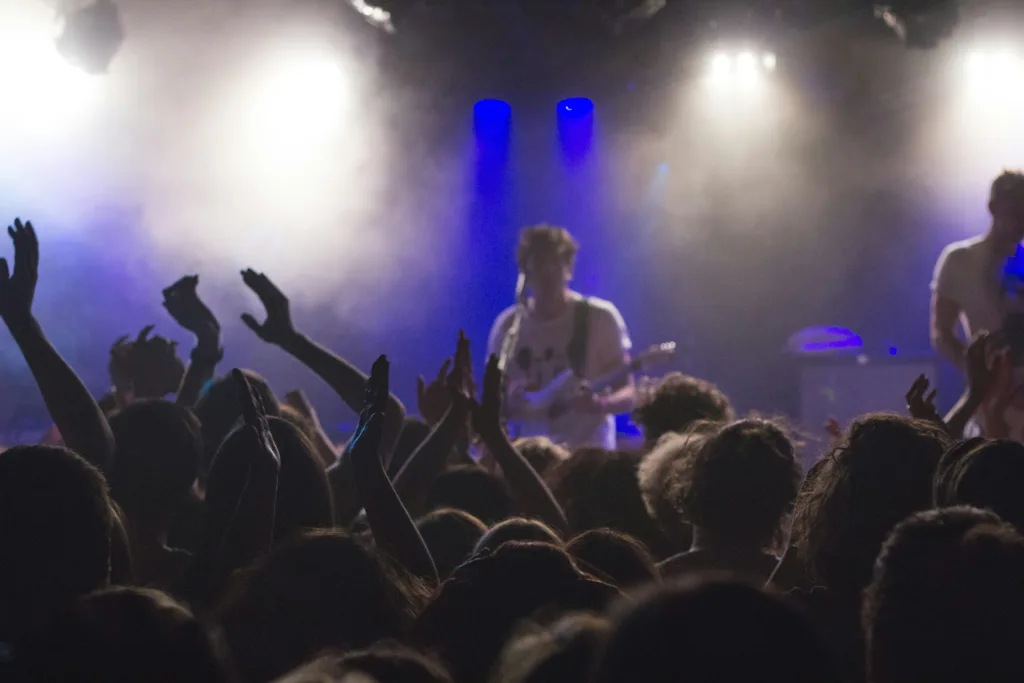
Silheiba Ningombam, vocalist/guitarist of Meewakching puts it plainly. “Throughout our journey as musicians and as a band, we have encountered several instances where our performance fees were delayed, only partially paid, or not paid at all,” he says. He goes on to add, “It disrupts our plans, creates financial instability, and undermines the sustainability of our work.”
These experiences are not isolated and limited to just one city or state. A musician from Guwahati, who prefers to remain anonymous, highlights the absence of formal safeguards and says “There’s a growing need for structured systems that ensure artists are compensated on time. Musicians shouldn’t have to follow up constantly just to receive what they’re already owed.”
What often gets overlooked is that this failure isn’t restricted to private promoters or informal shows. Even government-run cultural programmes have faltered. In March 2025, Bangalore Mirror reported that Karnataka’s Department of Kannada and Culture failed to clear payments for over 1,800 artists, despite a rule mandating settlements within 15 days. Some performers were waiting two to three years, with total pending dues exceeding ₹4 crore. Individual troupes were owed between ₹20,000 and ₹25,000, often after having paid travel and accommodation costs themselves.
One folk artist claimed he was owed ₹3.8 lakh for 19 performances since 2022, only to be told during repeated follow-ups that his bills had been misplaced. The incident underscored a troubling reality that even when policy exists, administrative inertia can leave artists uncompensated for years.
Delayed or denied payment also extends into merchandising and label-driven promotional deals often sold to independent artists as growth opportunities, but executed with little transparency. A Pune-based musician describes a pattern that has quietly become routine.“I know fellow bands who have been duped by well-known labels. They were promised promotion through merch bundles. But when it came time to pay, the labels handed them piles of unsold merch, saying that was the balance adjusted against payment. At no point were the bands asked how many units should be printed, nor were they shown how much was actually sold. This is how bands get plundered,” he recalls an incident bitter enough to substantiate how the world of independent music isn’t the embodiment of Shangri-La as some people claim it to be.
Without clear contracts or shared sales data, merchandise, meant to be a crucial revenue stream often becomes yet another site of financial risk. If music is to be recognised as a legitimate profession, such instability cannot be treated as collateral damage. No creative worker should be reduced to a “ghost-shaped person” or someone visible on stage, invisible when accountability is due.
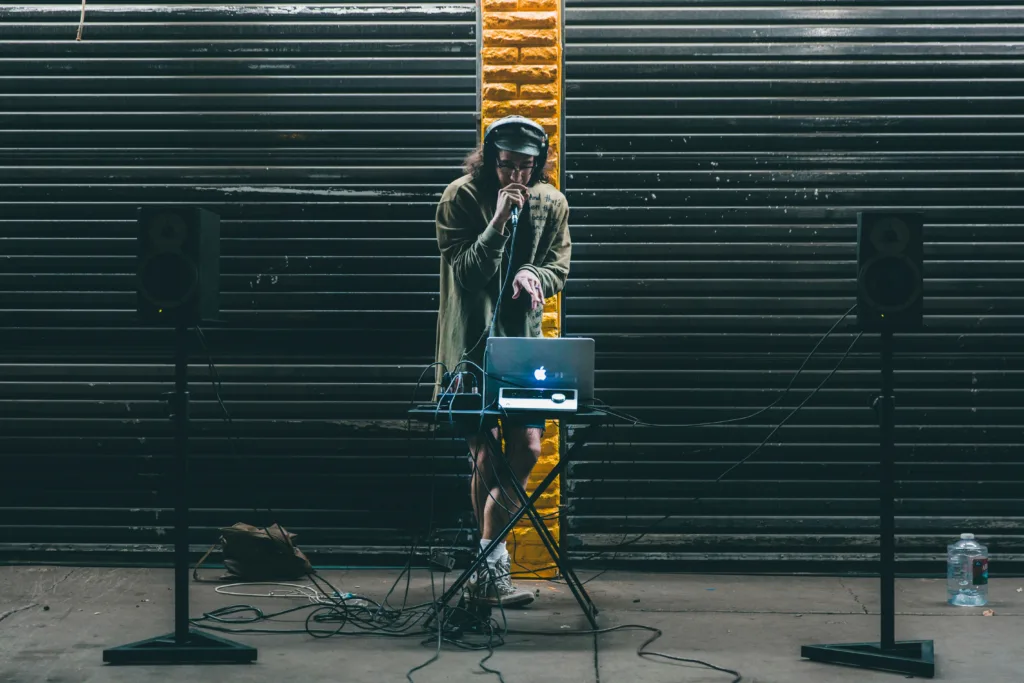
This reminds me of the words by Mark Morton, Willie Adler, and Randy Blythe, which feel uncomfortably relevant: “They say jump, you ask how high / And watch your freedom die.” Music is meant to expand horizons, yet conformity and silent compliance often become the unspoken prerequisites for fair pay.
A Mumbai-based musical polymath echoes this fatigue and says “Think about bands who invest heavily in self-funded touring. For many, it’s a nightmare. This is why some artists stop doing music full-time, while others shift to projects that simply pay on time.”
These personal accounts exist within a broader economic squeeze. According to an EY India survey, 35% of independent artists reinvest more than half of their earnings back into their work, leaving little buffer when payments are delayed. Even at the top, structural cracks are visible. In a 2023 interview, Arijit Singh criticised the industry’s payment culture, calling for a system that ensures artists are paid what they’re promised, regardless of film release cycles or post-production delays.
At the same time, we cannot deny that India’s music economy is growing. The Economic Survey 2025–26 placed the sector within the emerging Orange Economy, identifying concerts as high-multiplier activities while acknowledging structural bottlenecks. Meanwhile, the IPRS reported ₹741.6 crore in royalty collections for FY 2024–25, the highest in its history. However, while streaming revenue is up, live performance compliance remains inconsistent.
With everything being said, one can notice that growth at the top has not completely translated into security on the ground. The absence of standardised contracts and enforceable timelines consistently shifts risk onto artists. Music should not be a test of endurance against instability. If artists are expected to shape culture, the ground beneath them must be stable. Therefore, it’s time we stop asking musicians to “beg” for the bare minimum(they are not your situationship) and start treating their craft with professional dignity. And if the question is where to begin, perhaps the answer is as simple as putting on your earphones and pressing play on Man in the Mirror by Michael Jackson and follow what’s being sung.