












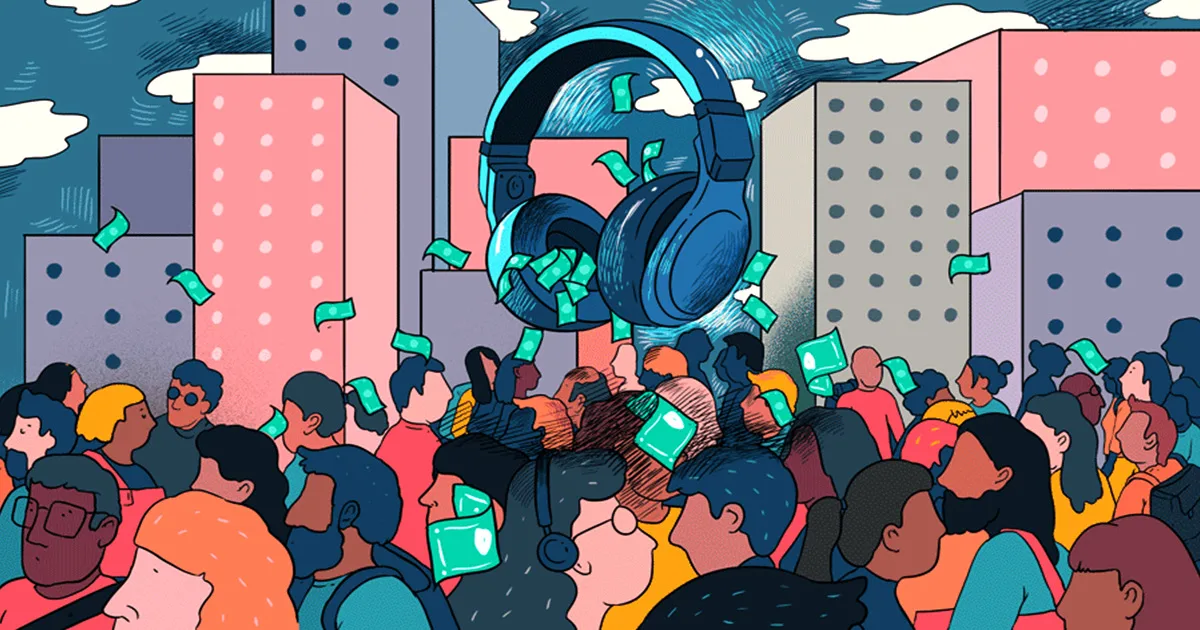

The music scene in India and across the world is growing faster than ever, and independent music is no longer operating on the sidelines. More musicians are releasing frequently, experimenting with sound, and connecting directly with listeners without waiting for traditional backing.
In 2026, music marketing has become just as important as the music itself. Visibility today is built digitally through consistency, smart content decisions, and audience connection rather than big budgets. Small, intentional moves can create wider reach, stronger engagement, and longer life for a song.
What follows looks at how music marketing is evolving right now, and how independent musicians can use digital tools, content, and strategy to grow on their own terms.
1) Engagement – Why Some Content Travels Further
Engagement has become one of the strongest signals platforms use to decide which content deserves attention. For musicians, this shifts the focus away from follower count and toward how listeners are actually responding. A smaller but active audience can often push your content further than a large but disengaged one.
Organic engagement comes from real listeners spending time with your content watching, revisiting, or interacting naturally. These signals tell platforms that your content has value and deserves wider reach. Forced tactics like mass spamming, irrelevant keywords, or repetitive prompts usually backfire and can quietly restrict distribution instead of boosting it.
Platforms today are better at reading intent. They reward clarity, consistency, and relevance. When your content clearly communicates who you are, what your music sounds like, and why it exists, it becomes easier for the algorithm to place it in front of the right audience.
Rather than chasing numbers, musicians should look for patterns. Notice what holds attention, what sparks genuine replies, and what drives people to explore your profile or music. Engagement works best as feedback, not validation and that’s where sustainable growth begins.
2) Performance Data – Reading Your Performance Without Overthinking It
Once engagement is understood, the next step is knowing how to read it without getting lost in numbers. Musicians don’t need complex analytics or paid dashboards to understand what’s working the basics already exist within the platforms.
Features like Meta Insights give a clear view of how content is performing. Reach, profile visits, saves, and retention patterns help artists understand which posts are connecting and which ones are being skipped. Looking at these metrics over time post by post gives better clarity on audience behaviour.
digital tools like Buffer or Hootsuite that track engagement trends can also help spot patterns. They offer a broader view of how consistently your content is landing and whether your audience is growing in a healthy way. These tools work best when used as reference points, not scorecards.
The key is simplicity. Performance data should guide creative decisions, not control them. When musicians learn to read feedback calmly and adjust accordingly, content becomes sharper, releases become stronger, and growth feels intentional instead of forced
3) Building a Flexible, Self-Managed Content System
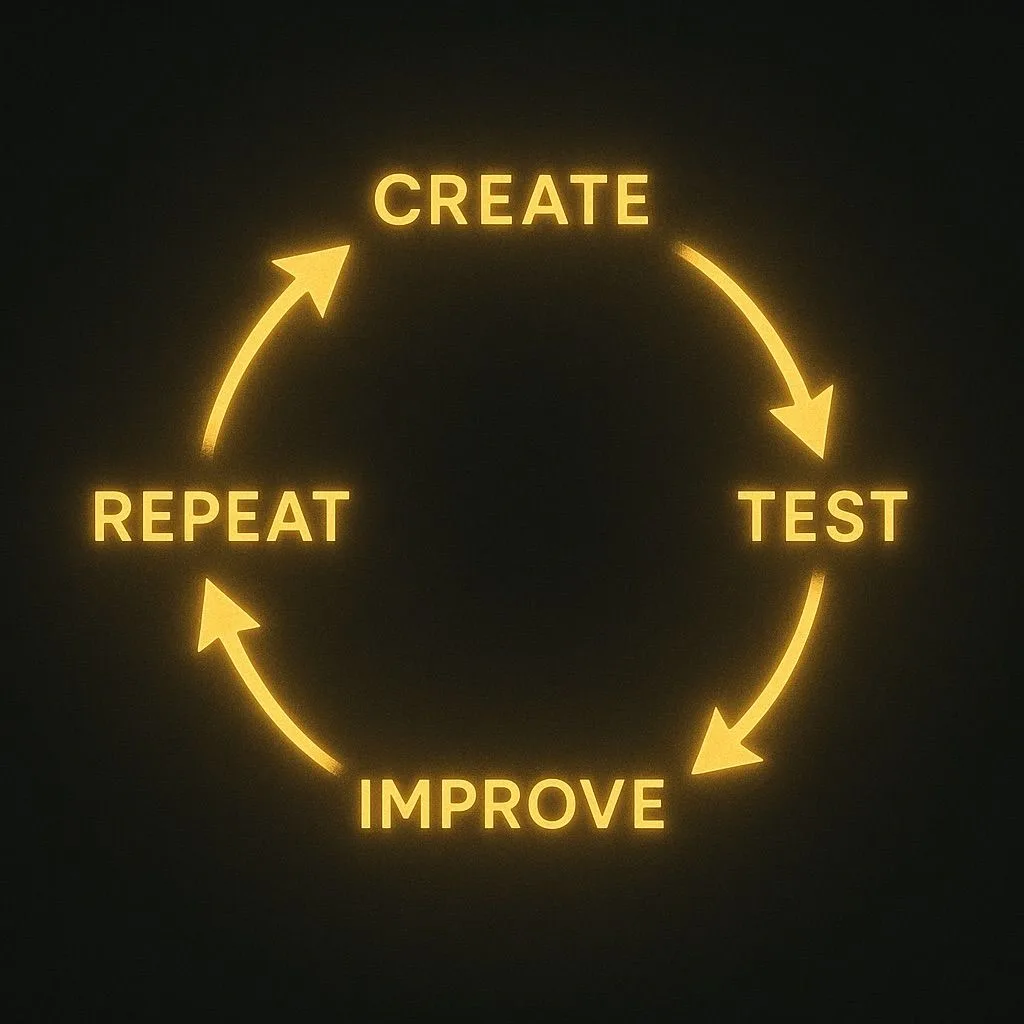
Once engagement patterns are clear, musicians can start planning content more intentionally. Creating content in advance allows room to experiment — posting at different time slots across days to understand when the audience is most responsive. Over time, one or two timelines usually perform better than the rest. Once identified, scheduling content around those timelines helps build consistency and stronger reach.
This phase works well for trial content. Short-form reels, polls, and in-built prompts allow musicians to test ideas without pressure. These tools also help platforms understand who the content should be shown to, improving shareability and pushing it toward listeners who haven’t discovered the music yet.
Exclusivity plays a strong role here. Offering a pre-save link with limited validity creates urgency and makes listeners feel like they’re part of something early. This sense of access often encourages deeper engagement and helps convert casual viewers into invested listeners.
Other digital-first strategies can strengthen this connection further. Hosting exclusive online listening sessions, adding a limited number of followers to close friends, or giving early access to snippets through private stories builds intimacy. These small gestures create a sense of community and turn content into an experience rather than just promotion.
4) Pre-Release: How Can Musicians Build Momentum Before the Drop
The pre-release phase is no longer just about announcing a date. In a digital-first ecosystem, it’s about warming up listeners and creating familiarity before the song even arrives. When audiences recognise a sound, a visual, or a line from a track, they’re more likely to engage when it finally drops.
Pre-release content should focus on repetition without boredom. Short clips, alternate versions of the same hook, behind-the-scenes moments, or visual snippets help listeners subconsciously remember the song. This phase works best when spread across multiple days rather than pushed all at once.
Pre-save links also play a strategic role here. Instead of pushing them aggressively, introducing them as limited-access or early-entry links makes listeners feel included. Scarcity and timing matter — the goal is to build intent, not pressure.
Most importantly, pre-release content should feel like storytelling, not promotion. When musicians share why a song exists, how it was created, or what it represents, listeners engage emotionally — and that emotional connection often translates into stronger release-day traction.
5) Release Window: What to Do When the Track Goes Live
The first few days after release are crucial, but they don’t need to feel chaotic. This phase is about visibility, not volume. Reusing pre-release content in new formats helps reinforce recognition without overwhelming the audience.
Posting performance clips, lyric-focused visuals, or listener reactions during this window keeps the song active across feeds. Simple prompts that encourage saves or shares work better than hard calls to action. The aim is to make the song feel present, not pushed.
This is also the best time to observe listener behaviour closely. Which clip gets replayed? Which post brings profile visits? These early signals help decide how the song should be promoted in the weeks that follow.
6) Post-Release: Keeping the Song Alive Beyond the Drop
A song’s journey doesn’t end after release week. In fact, digital platforms often reward content that resurfaces over time. Revisiting a track through new visuals, alternate edits, or live versions can introduce it to fresh listeners long after launch.
Older releases can also be revived through contextual content sharing what the song means now, how it’s evolved, or how listeners are responding to it. When framed differently, the same song can feel new again.
Long-term growth comes from patience. Instead of chasing instant results, musicians who consistently reintroduce their work allow the algorithm to rediscover it organically.
7) How Songs Find New Listeners Organically
In the current time frame, songs don’t find new listeners by chance — they’re surfaced through patterns of behaviour. Digital platforms closely observe how people interact with a track after first: repeat plays, saves, searches, profile visits, and how often a song appears again in a listener’s feed. These signals indicate genuine interest and help platforms decide which songs deserve wider circulation.
Streaming platforms amplify this process through algorithm-driven discovery. Personalised playlists and recommendation systems rely on engagement depth rather than popularity alone. When a song performs consistently within a small group, it’s gradually introduced to listeners with similar taste profiles. Discovery here is built on relevance and repetition, not sudden spikes.
User-generated content (UGC) plays a crucial role in expanding reach. When listeners use a song in their own videos, stories, or posts, the music enters new contexts and communities without feeling promotional. UGC adds authenticity, extends lifespan, and signals cultural relevance — all of which strengthen a song’s position across platforms.
Together, these behaviours create a feedback loop. Repeated exposure through UGC, steady engagement on streaming platforms, and organic sharing across digital spaces allow songs to travel naturally. In today’s ecosystem, music grows by becoming part of how people express themselves — not by being pushed, but by being used.
8) Hooks Are Evolving in a Scroll-First World
Hooks in 2026 aren’t always polished or predictable. Many artists are experimenting with negative hooks, abrupt cuts, silence, or raw moments that interrupt scrolling patterns. These moments work because they feel human, unfinished, or unexpected.
Snapchat-style hooks — casual framing, unfiltered visuals, and text that feels like a private thought or ( (behind the scenes) are increasingly influencing music content. These formats feel intimate rather than performative, encouraging listeners to stay longer.
Strong hooks don’t chase trends blindly. When hooks reflect an artist’s emotional tone or identity, they build recognition over time. The goal isn’t virality — it’s memorability.
9) Community, Playlists, and Radio as Growth Channels
community is where real growth begins. Spaces like Discord and Instagram’s broadcast channels, subscriptions, and voice rooms allow artists to connect with listeners in real time. When fans can hear artists , join conversations, or get early access, the relationship feels personal instead of promotional. That sense of access builds trust, and trust turns into long-term listeners.
Discord communities work especially well because they stay active even when you’re not posting. Everyone inside shares a common interest, which naturally turns them into supporters who talk about your music, share it, and help it reach new audiences. Over time, this creates a cult-style listener base that grows organically.
Playlists and radio often grow out of this momentum. Many independent radio stations and digital platforms actively look for new music through open submission routes. When a track gets picked up for a radio slot, a playlist, or is featured in listener-led content, it travels far beyond an artist’s usual circle — often crossing borders. This is how international reach is built today: digitally, consistently, and through genuine listener connection.
10) Trend Mapping Without Losing Identity
Trends in current time move fast, but they don’t work randomly. Most of them catch on because they reflect how people are feeling at a moment — a mood, a joke, a frustration, or a shared experience. For artists, the real work isn’t copying the format, but understanding the emotion behind it.
Instead of jumping on every trend, musicians benefit from choosing the ones that naturally fit their sound or personality. When a trend is filtered through an artist’s own voice — visually or sonically — it feels intentional rather than forced. That restraint helps listeners recognise the artist, not just the format.
Trend mapping is also about timing. Entering a trend slightly later, with a clearer point of view, often works better than rushing to be first. When content adds something personal to an already familiar format, it stands out without trying too hard.
Used this way, trends become a support system, not a distraction. They help music stay part of the conversation while allowing the artist’s identity to remain steady. In the long run, that balance is what keeps both the content and the artist relevant.
11) The Road Ahead for Independent Artists
music today grows inside digital spaces, shaped by how listeners discover, share, and engage with sound. Visibility is no longer built on scale alone, but on consistency, clarity, and genuine connection. When artists understand how these spaces function, music finds room to travel on its own.
Sustainable growth comes from paying attention to what resonates, building systems that feel manageable, and staying present before, during, and long after a release. Community, content, timing, and identity work together when approached with intention rather than urgency.
The digital market rewards patience. Songs don’t need to peak instantly to matter — they need space to be revisited, reused, and reintroduced in ways that feel natural. When music becomes part of everyday digital behaviour, it continues to reach new listeners over time.