






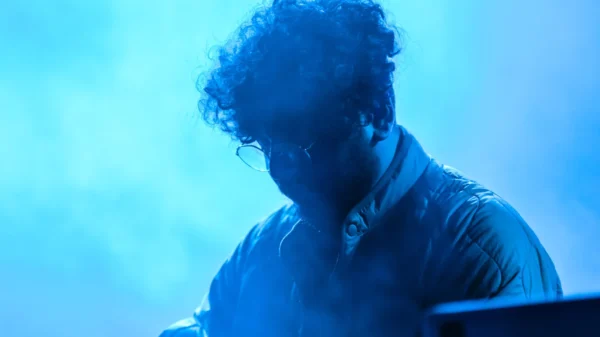
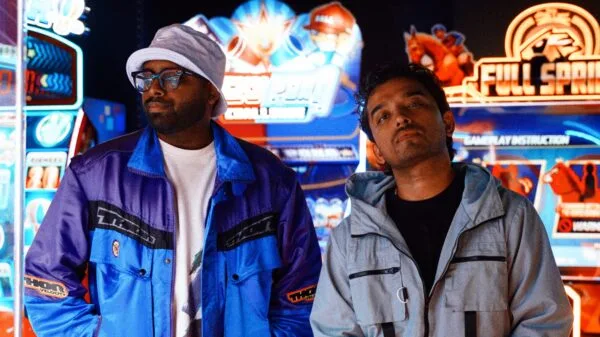













Rhythm Shaw has been called a prodigy since before most musicians figure out what they want to sound like. Classically trained on guitar, formally trained on tabla, touring internationally by 19, and a list of collaborators that includes A.R. Rahman, Zakir Hussain, and Louiz Banks. At 29, the Mumbai-based guitarist has a CV that could comfortably retire on reputation alone. His new album, Nothing to Lose, suggests he has no interest in doing that.
The 11-track record, billed as a sonic autobiography, is a decade’s worth of ideas, influences, and evolution pressed into one project. That’s a big promise. For the most part, it delivers.
The opening
“Insrhy Master” doesn’t waste time. The track jumps straight into its arrangement, and within the first few minutes, you understand what the rest of the album is going to ask of you: full attention. It sets a tone that is tight, purposeful, and unapologetically technical without ever tipping into showmanship for its own sake.
From there, “Vortex” takes things higher. The electric guitar shreds carry a kind of breathless momentum, the feeling of running so fast your legs can barely keep up. It’s the kind of track that makes you lean forward in your headphones, grip tightening with every bar.
By the time “Far Away” arrives as the fifth track, the album knows exactly when to pull back. The mood softens. A lovely synth arrangement takes the lead, courtesy of Suman Bhattacharjee, who handles synthesizer duties across a few tracks on the record and brings a warmth that balances the intensity of what came before. It’s a well-placed breather, proof that the album is sequenced with care.
The Centre
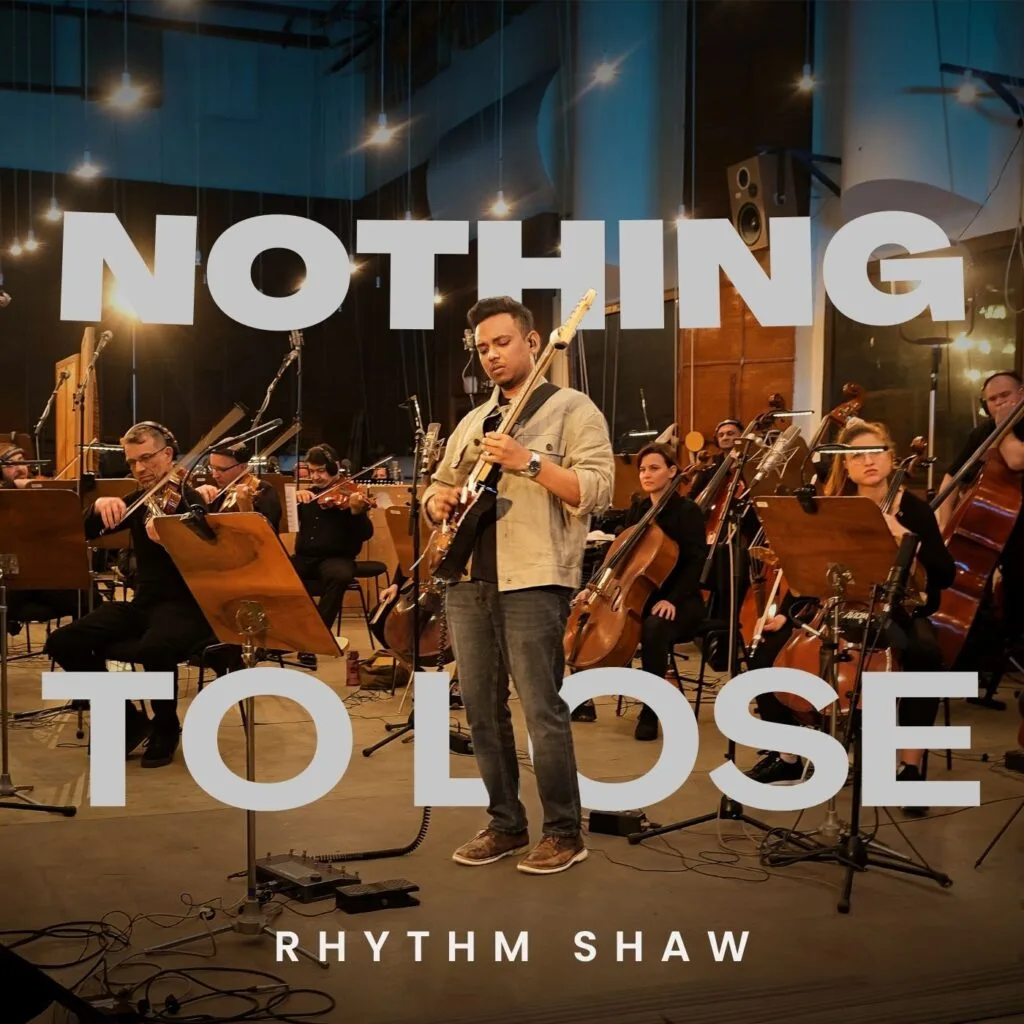
Sitting at the sixth spot is the title track, “Nothing to Lose”, the song that originally pulled attention to the project as its focus single, and for good reason. It captures the album’s thesis in one track: freedom, range, and the confidence of an artist who has stopped second-guessing himself. If the album is a journey, this is the point where the road opens up.
Then comes the surprise. “Shogen,” the eighth track, shifts into a heavier, rock-leaning sound that catches you off guard. Just when you think you’ve mapped the album’s range, it stretches further. “Space Station,” a collaboration with Gino Banks and Mohini Dey, brings another gear entirely. The chemistry between the three musicians is infectious, the arrangement is tight but leaves just enough room for each player to breathe. It’s one of those tracks where you can feel the musicians listening to each other in real time.
The Close
The album ends on “Healing,” and it earns its placement. After 10 tracks of technical prowess, genre shifts, and high-energy arrangements, the closer arrives with softness and intention. It is an exhale, hopeful, full-hearted, and quietly confident. It is, without question, the album’s most beautiful composition.
This gentle descent towards the end is one of the album’s smartest moves. The later tracks carry a softness in their arrangements that gives the record it’s ebb and flow.
That said, Nothing to Lose could have been leaner. At 11 tracks, there are two or three songs in the middle stretch that don’t bring anything new to the palette. They’re competent, nothing here is poorly made, but in an album this ambitious, competent isn’t enough. The tracks that stand out do so because they take risks. The ones that blend into the background feel like they exist to fill space between the bigger moments.

The Bigger Picture
Shaw describes the album as “a collection of musical ideas I’ve developed over the last decade,” and you can hear that. The record moves through rock, jazz, fusion, and cinematic orchestration, including two compositions featuring the Budapest Symphony Orchestra, with the ease of someone who genuinely lives inside these genres. Shaw is drawing from everywhere he’s been and making it sound like one coherent voice.
What makes Nothing to Lose work, ultimately, is not the technique. Shaw’s technical ability has never been in question. What makes it work is the emotional build, the way the album builds, breathes, surprises, and then gently sets you down. It’s a record that rewards a front-to-back listen, and one that sounds better the second time around.
For a project that calls itself a sonic autobiography, the sequencing tells you everything about where Shaw is at: restless enough to keep pushing, mature enough to know when to slow down, and finally free enough to put it all on record.